When disaster strikes and oil pollutes our precious marine environments, images of struggling, oil-covered wildlife often capture our hearts. In these dire moments, a seemingly ordinary household product steps into the spotlight as an extraordinary lifesaver: blue dish soap. While its primary role is tackling greasy pots and pans, its unique formulation has made it an indispensable tool for wildlife rescuers worldwide, offering a beacon of hope for thousands of animals caught in devastating oil spills.
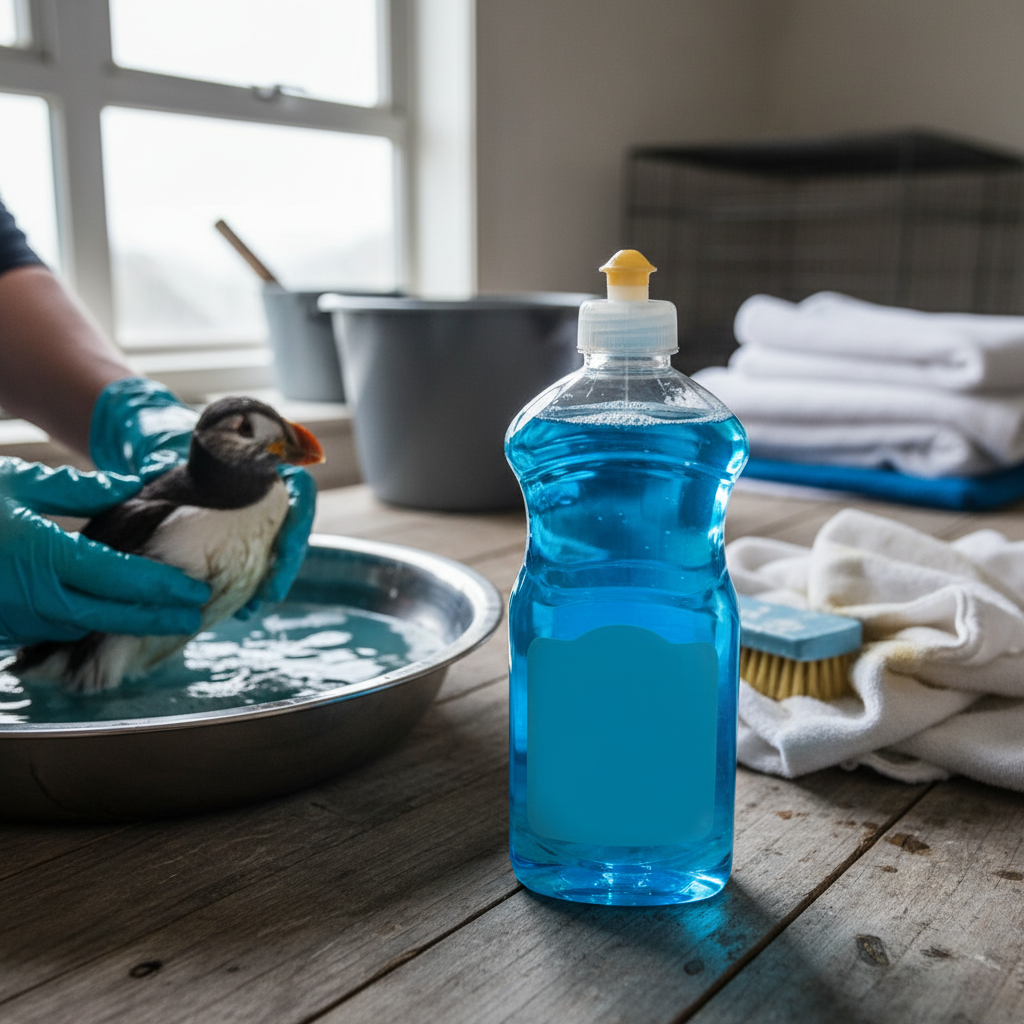
The immediate impact of an oil spill on wildlife is devastating. For birds, oil coats their feathers, matting them down and destroying their natural waterproofing and insulation. This leaves them vulnerable to hypothermia, unable to fly, and struggling to float. When they attempt to preen, they ingest toxic oil, leading to internal organ damage. Marine mammals like sea otters and seals face similar fates; their fur loses its insulating properties, leading to hypothermia, skin irritation, and severe internal damage from ingested oil. Removing this hazardous coating quickly and safely is paramount to their survival.
At the heart of dish soap’s effectiveness lies a powerful scientific principle: emulsification. Oil and water, as we know, do not mix. Oil is hydrophobic, meaning it repels water, forming a thick, clinging layer. Dish soaps, however, contain special molecules called surfactants. These surfactants have a dual nature: one end is attracted to oil (lipophilic), and the other is attracted to water (hydrophilic). When dish soap is introduced, the surfactants go to work, breaking down large oil slicks into tiny, manageable droplets. These oil droplets become encapsulated by surfactant molecules, allowing them to mix with water and be rinsed away. This chemical marvel transforms stubborn oil into a solution that can be gently washed from an animal’s delicate fur or feathers.
Among the myriad of dish soaps available, Dawn has emerged as the industry standard for wildlife rescue, particularly its blue variant. The reasons are multifold. Dawn’s formula is renowned for being exceptionally tough on grease while simultaneously being remarkably gentle. This specific balance is crucial for wildlife; it effectively strips away heavy crude oil without irritating the animal’s sensitive skin, eyes, or delicate feather structure. Rescue organizations, such as the International Bird Rescue Research Center (IBRRC) and The Marine Mammal Center, discovered Dawn’s unparalleled effectiveness and mildness over 30 years ago, leading to its widespread adoption. Its pH-balanced composition ensures it doesn’t strip essential natural oils from the animals’ bodies once the polluting oil is removed, aiding in their recovery and re-waterproofing processes. While the iconic blue color is often associated with Dawn, it’s the carefully engineered chemical properties, not the hue itself, that make it such a vital tool.
The partnership between Dawn (Procter & Gamble) and wildlife rescue organizations is a testament to its impact. For over four decades, Dawn dish soap has been instrumental in helping over 75,000 animals affected by oil pollution. Procter & Gamble has not only donated thousands of bottles of dish soap but has also actively supported wildlife rescue efforts through programs like “Dawn Everyday Wildlife Champions.” This enduring collaboration underscores a deep commitment to environmental conservation and animal welfare, showcasing how corporate responsibility can make a tangible difference in crisis situations.
Beyond the initial cleaning, the use of dish soap in wildlife rescue highlights the broader implications of environmental disasters and the dedicated work of conservationists. While dish soap is an invaluable tool, it is just one part of a complex and intensive rehabilitation process. Highly trained professionals and volunteers work tirelessly, often in challenging conditions, to capture, stabilize, clean, and rehabilitate oiled animals. They meticulously hand-wash each animal, sometimes multiple times, followed by thorough rinsing and supportive care to ensure full recovery before release. The success of these efforts hinges on quick response, appropriate resources, and the gentle yet effective cleaning power of products like Dawn.
“Dish soap in wildlife rescue isn’t merely about cleaning; it’s about providing a second chance at life for creatures whose very existence is threatened by human-made disasters.”
The story of blue dish soap in wildlife rescue is a powerful reminder of how innovation, combined with compassion, can mitigate the devastating effects of environmental catastrophes. It teaches us about the resilience of nature and the profound impact that dedicated individuals and effective tools can have when faced with immense challenges. Who knew that a simple bottle of dish soap could hold so much hope?
Frequently Asked Questions
Is it only blue dish soap that works for wildlife rescue?
|
Our Picks for the Best Dishwashing liquid in 2026
As an Amazon Associate I earn from qualifying purchases.
|
||
| Num | Product | Action |
|---|---|---|
| 1 | Dawn Platinum Dish Soap, Fresh Rain Scent Liquid Dishwashing Detergent, Powerful Dawn Dish Soap for Tough Grease Removal, 13 oz |

|
| 2 | Ajax Ultra Liquid Dish Soap Orange Scent, Triple Action, 90 fl oz Bottle |
|
| 3 | Dawn Ultra Original Dish Soap Refill Jug, Large Size Original Blue Liquid Dishwashing Detergent, Powerful Dawn Dish Soap for Grease, 51.5 oz |
|
| 4 | Dawn Platinum EZ-Squeeze Dish Soap, Dishwashing Liquid, Fresh Rain, 2x18oz Bundle |
|
| 5 | Dawn Ultra Original Dish Soap Refill Jug Large Size Original Blue Liquid Dishwashing Detergent, Powerful Dawn Dish Soap for Grease, 51.5oz (Pack of 2) |
|
| 6 | Dawn Dishwashing Liquid, Original Scent, 38 fl oz |
|
| 7 | Ajax Ultra Liquid Dish Soap Orange Scent,Triple Action, Mess-Free, Easy-Flip Cap, 52 fl oz Bottle |
|
| 8 | Palmolive Ultra Dishwashing Liquid Dish Soap, Pure + Clear Fragrance Free - 32.5 Fluid Ounce (Packaging may vary) |
|
| 9 | Cascade Complete Dishwasher Detergent Liquid Gel, Dish Detergent, Dishwasher Soap, Citrus, 75oz |
|
| 10 | Dawn EZ-Squeeze Ultra Dish Soap, Dishwashing Liquid, Original, Dish Soap Refill, 22 fl oz |
|
No, the color blue is not inherently special. While Dawn’s original formula, often blue, is widely recognized and used, it is the specific blend of powerful yet gentle surfactants in its formulation that makes it effective and safe for wildlife. Other dish soaps might be effective, but Dawn has been thoroughly vetted and consistently chosen by major wildlife rescue organizations due to its proven efficacy and mildness.
Can I use any dish soap to clean an oiled animal I find?
Absolutely not. Cleaning an oiled animal requires specialized training, facilities, and the correct cleaning agent. Using the wrong type of soap or an improper cleaning technique can cause more harm than good, potentially leading to hypothermia, skin damage, or stress-related illnesses. If you encounter an oiled animal, contact your local wildlife rescue center immediately.
What are the dangers if an oiled animal isn’t cleaned?
An oiled animal faces numerous life-threatening dangers. Birds lose their waterproofing and insulation, leading to hypothermia and the inability to fly or float. Marine mammals suffer similar insulation loss. All oiled animals risk ingesting toxic crude oil when they try to preen or clean themselves, causing severe internal organ damage, digestive issues, and even death.
How long does it take to clean an oiled animal?
The cleaning process for an oiled animal can vary greatly depending on the species, the extent of oiling, and the type of oil. It often involves multiple washing and rinsing cycles, sometimes taking several hours or even days. This is just the initial cleaning; the overall rehabilitation process, including re-hydration, feeding, and medical care, can take weeks or months before an animal is ready for release.