For individuals living with sensitive skin or eczema, everyday tasks like washing dishes can transform from a routine chore into a painful ordeal. The harsh chemicals, artificial fragrances, and dyes found in many conventional dish soaps are notorious triggers for irritation, redness, dryness, and uncomfortable flare-ups. The quest for sparkling clean dishes shouldn’t come at the expense of your skin’s health. This comprehensive guide is designed to help you navigate the myriad of options available in 2026, empowering you to choose a dish soap that is effective on grease yet exceptionally gentle on your hands.
Understanding Types of Dishwashing Liquids for Sensitive Skin
When your hands are prone to irritation, not all dishwashing liquids are created equal. The key lies in formulations specifically designed to minimize skin reactions while still delivering powerful cleaning.
Liquid Dish Soaps (Fragrance-Free/Dye-Free): These are the most common form, but for sensitive skin, the “Free & Clear” or “Zero” labels are paramount. These varieties are intentionally stripped of common irritants like synthetic fragrances and artificial dyes, focusing instead on essential cleaning agents. Many leading brands now offer excellent hypoallergenic liquid options that prioritize skin safety without compromising on dish-cleaning efficacy.
Castile Soap: A traditional, plant-based soap made from oils like olive or coconut, castile soap is renowned for its natural, non-toxic, and biodegradable properties. It’s a versatile cleaner that, when properly diluted, can be exceptionally gentle on the skin. Its minimalist formulation means it cleans without stripping your skin of moisture, making it a stellar choice if dryness is a major concern.
While solid dish soap bars exist, the market for sensitive skin-friendly options primarily focuses on liquid formulas for dishwashing due to ease of use and consistent ingredient control. The most crucial aspect, regardless of the form, is to scrutinize the ingredient list for potential irritants.
Important Ingredients to Know in Dish Soap
The secret to a sensitive skin-friendly dish soap lies hidden within its ingredient list. Understanding what to look for and, more importantly, what to avoid, is your best defense against irritation.
Harmful Ingredients to Avoid
Many common dish soap ingredients are powerful degreasers that can also strip your skin’s natural protective barrier, leading to dryness, itching, and eczema flare-ups. Be vigilant for:
- Synthetic Fragrances: Often listed simply as “fragrance” or “parfum,” these can contain hundreds of undisclosed chemicals, including phthalates, which are known endocrine disruptors and severe skin irritants. Even natural essential oils, while generally better, can still cause reactions in highly sensitive individuals.
- Dyes and Colorants: Artificial colors serve no functional purpose in cleaning and are frequently derived from petroleum, capable of triggering allergic reactions and skin rashes.
- Sulfates (Sodium Lauryl Sulfate – SLS, Sodium Laureth Sulfate – SLES): These common surfactants create rich lather but are strong detergents that can be overly harsh, stripping moisture and irritating the skin barrier. They can also be contaminated with 1,4-dioxane, a probable carcinogen.
- Preservatives (Methylisothiazolinone – MIT, Methylchloroisothiazolinone – CMIT, Benzisothiazolinone – BIT, Formaldehyde Releasers): These are potent sensitizers linked to skin irritation, allergies, and lung issues. Formaldehyde releasers might appear under names like DMDM Hydantoin or Quaternium-15.
- Triclosan: An antibacterial agent once common, triclosan has been linked to hormone disruption and antibiotic resistance, and is best avoided.
- Phosphates: While effective water softeners and cleaners, phosphates are environmental pollutants and contribute nothing beneficial for sensitive skin.
- Cocamidopropyl Betaine: Despite being a common mild surfactant, it can cause allergic contact dermatitis in some individuals.
- DEA (Diethanolamine), MEA (Monoethanolamine), TEA (Triethanolamine): These surfactants can react to form nitrosamines, which are potential carcinogens, and may disrupt hormones.
|
Our Picks for the Best Dishwashing liquid in 2026
As an Amazon Associate I earn from qualifying purchases.
|
||
| Num | Product | Action |
|---|---|---|
| 1 | Palmolive Ultra Dishwashing Liquid Dish Soap, Pure + Clear Fragrance Free - 32.5 Fluid Ounce (Packaging may vary) |

|
| 2 | Dawn Dishwashing Liquid, Original Scent, 38 fl oz |
|
| 3 | Cascade Complete Dishwasher Detergent Liquid Gel, Dish Detergent, Dishwasher Soap, Citrus, 75oz |
|
| 4 | Dawn Platinum EZ-Squeeze Dish Soap, Dishwashing Liquid, Fresh Rain, 2x18oz Bundle |
|
| 5 | Dawn Ultra Original Dish Soap Refill Jug, Large Size Original Blue Liquid Dishwashing Detergent, Powerful Dawn Dish Soap for Grease, 51.5 oz |
|
| 6 | Ajax Ultra Liquid Dish Soap Orange Scent,Triple Action, Mess-Free, Easy-Flip Cap, 52 fl oz Bottle |
|
| 7 | Ajax Ultra Liquid Dish Soap Orange Scent, Triple Action, 90 fl oz Bottle |
|
| 8 | Dawn EZ-Squeeze Ultra Dish Soap, Dishwashing Liquid, Original, Dish Soap Refill, 22 fl oz |
|
| 9 | Dawn Platinum Dish Soap, Fresh Rain Scent Liquid Dishwashing Detergent, Powerful Dawn Dish Soap for Tough Grease Removal, 13 oz |
|
| 10 | Dawn Ultra Original Dish Soap Refill Jug Large Size Original Blue Liquid Dishwashing Detergent, Powerful Dawn Dish Soap for Grease, 51.5oz (Pack of 2) |
|
Beneficial Ingredients to Look For
Conversely, certain ingredients can help clean effectively while supporting skin health:
- Plant-Based Surfactants: Derived from natural sources like coconut oil or corn, these work to break down grease without excessively stripping skin.
- Glycerin: A natural humectant that attracts and locks moisture into the skin, helping to combat dryness.
- Aloe Vera: Celebrated for its skin-healing properties, aloe vera can soothe irritation and provide a protective barrier, keeping skin moisturized.
- Vitamin E: An antioxidant that can help protect and nourish the skin.
Comparing Top Dish Soap Brands for Sensitive Skin
The market offers several excellent dish soap options that cater to sensitive skin and eczema. Here’s a comparison of top contenders in 2026, focusing on their key features for skin compatibility:
| Brand/Product | Pros | Cons (for sensitive skin) | Key Features (for sensitive skin) |
|---|---|---|---|
| Seventh Generation Free & Clear Dish Liquid | Widely available, strong cleaning, certified | Can be slightly pricier than conventional options | Fragrance-free, dye-free, USDA Certified Biobased, EPA Safer Choice |
| Ecover Zero Dish Soap | Hypoallergenic, plant-based, tough on grease | May be harder to find in all stores | Fragrance-free, dye-free, biodegradable |
| Puracy Natural Dish Soap | Dermatologist-tested, pH balanced, effective | Some versions contain natural essential oils, which can be an irritant for extremely sensitive individuals | Sulfate-free, triclosan-free, plant-based, balanced pH |
| Method Free + Clear Dish Soap | Eco-friendly, aesthetically pleasing packaging | – | Harsh chemical-free, fragrance-free, dye-free, dermatologist-tested |
| ATTITUDE Sensitive Skin Natural Dish Soap | Specifically designed for sensitive skin, certified | May have limited availability in some regions | Hypoallergenic, fragrance-free, ECOLOGO certified |
| Dr. Bronner’s Pure Castile Soap (Unscented Baby-Mild) | Extremely versatile, natural, organic options | Requires dilution before use; can feel thin | Unscented, simple ingredient list, plant-based |
These brands consistently appear on “best of” lists for their commitment to gentle, effective formulations. They represent a significant shift towards cleaner, safer household products.
Guide to Choosing Dish Soap for Sensitive Skin
Selecting the right dish soap involves more than just picking a familiar brand. Here’s a strategic approach to finding your ideal match:
Consider Your Skin’s Sensitivity Level: If you experience severe eczema or contact dermatitis, a completely fragrance-free and dye-free option is essential. For milder sensitivity, you might tolerate products with very gentle, naturally derived scents, but proceed with caution.
Read Labels Meticulously: Go beyond front-label claims. Look for certifications like the National Eczema Association (NEA) Seal of Acceptance, EPA Safer Choice, or Leaping Bunny (cruelty-free). These indicate that the product has met rigorous standards for skin safety and environmental impact. Prioritize transparency—brands that openly list all ingredients are generally more trustworthy.
Patch Testing: Before fully committing to a new dish soap, especially if your skin is highly reactive, perform a patch test. Apply a small amount to an inconspicuous area of your arm and observe for 24-48 hours for any adverse reactions.
Evaluate Price vs. Value: While sensitive skin-friendly dish soaps might have a slightly higher upfront cost than conventional alternatives, consider the long-term value. Preventing painful flare-ups can save on medical creams, doctor visits, and discomfort, making the investment worthwhile.
Tips for Effective Dishwashing with Sensitive Skin
Beyond choosing the right soap, implementing smart dishwashing habits can significantly reduce skin irritation and protect your hands.
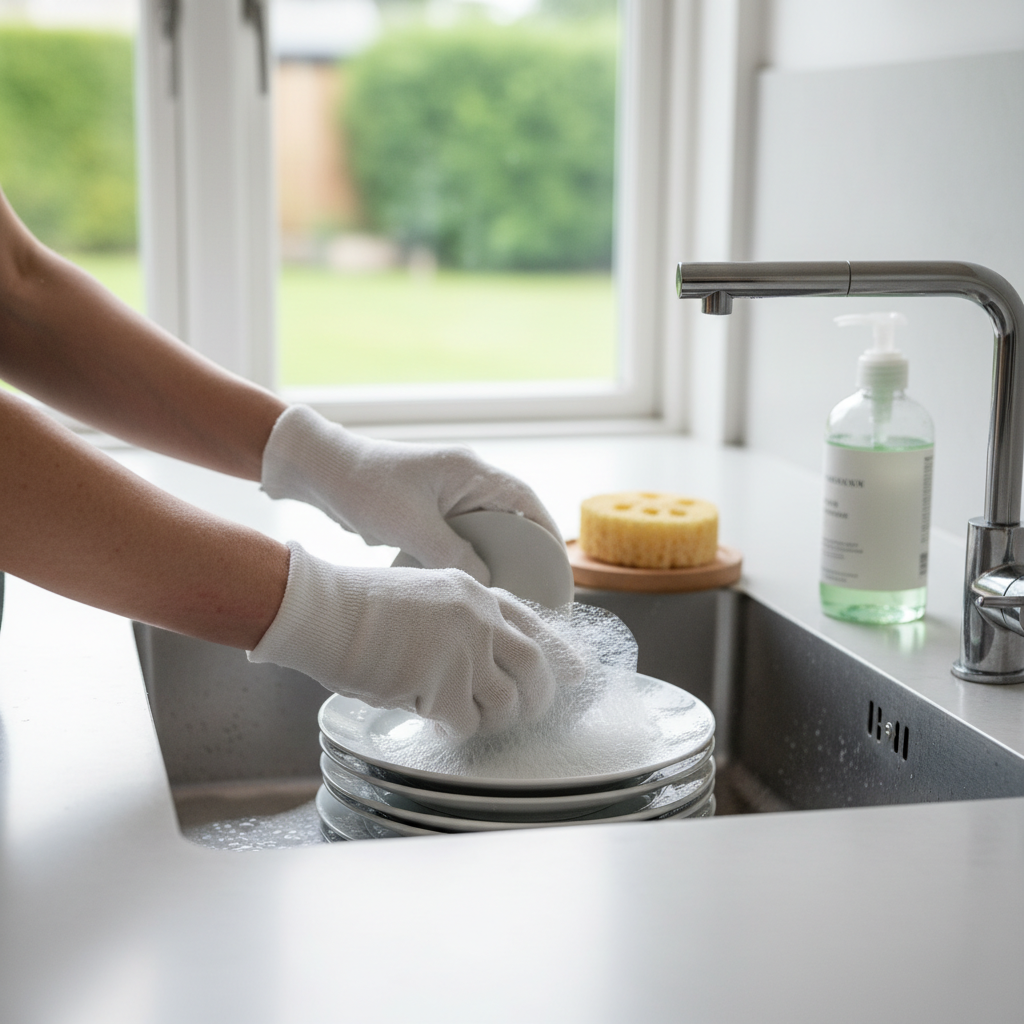
- Always Wear Gloves: This is perhaps the most crucial tip. Invest in high-quality dishwashing gloves that extend up your forearms to prevent water and soap from reaching your skin. For added protection and comfort, wear thin cotton glove liners underneath your rubber gloves. This creates an extra barrier and absorbs sweat, which can also irritate eczema-prone skin.
- Use Lukewarm Water: While hot water might seem to clean better, it can strip natural oils from your skin, leading to dryness and irritation. Opt for lukewarm water instead.
- Rinse Thoroughly: Ensure all soap residue is completely rinsed from dishes and utensils. Any leftover soap can transfer to your food and potentially irritate your mouth or digestive system, in addition to drying out your hands.
- Moisturize Immediately: As soon as you finish washing dishes and remove your gloves, gently pat your hands dry and apply a generous amount of a rich, emollient moisturizer. This helps to replenish the skin’s moisture barrier.
- Utilize a Dishwasher: When possible, let a dishwasher handle the cleaning. Modern dishwashers are highly efficient and keep your hands completely out of contact with soap and water, offering the ultimate protection for sensitive skin.
“Dish soap isn’t just about clean dishes; it’s about protecting the hands that prepare your family’s meals. Choosing wisely is a simple step with profound health benefits.”
Conclusion
Navigating the world of dish soaps with sensitive skin or eczema can be challenging, but it is far from impossible. By understanding which ingredients to avoid and which brands prioritize skin health, you can transform your dishwashing routine from a source of discomfort into a manageable task. Prioritizing fragrance-free, dye-free, and plant-based formulations, coupled with diligent protective measures like wearing gloves, will help maintain the health and comfort of your hands in 2026 and beyond. Your skin deserves the same care you put into your home.
Frequently Asked Questions
Is “natural” dish soap always safe for eczema?
No, “natural” doesn’t always equate to “safe” for eczema. Many natural ingredients, such as certain essential oils or plant extracts, can still act as allergens or irritants for sensitive skin. Always check the full ingredient list and look for “hypoallergenic” and “fragrance-free” labels, even with natural products.
Can dish soap cause eczema flare-ups?
Absolutely. The harsh chemicals, synthetic fragrances, and dyes commonly found in conventional dish soaps are frequent triggers for contact dermatitis and can significantly worsen eczema symptoms, leading to redness, itching, and dry, cracked skin.
What is the difference between “fragrance-free” and “unscented”?
“Fragrance-free” means no fragrances have been added to the product. “Unscented,” however, may contain chemicals that neutralize or mask odors, even if you can’t smell a distinct scent. For sensitive skin, “fragrance-free” is generally the safer choice.
How can I protect my hands if I have eczema and need to wash dishes?
The most effective way is to wear good quality dishwashing gloves, ideally with cotton liners underneath, to create a physical barrier between your skin and the soap/water. Using lukewarm water and moisturizing immediately after washing also helps.
Are dish soap pods/tablets safe for sensitive skin?
Dish soap pods or tablets for dishwashers are often safer for hands as they minimize direct skin contact. However, for handwashing, liquid formulas specifically labeled “fragrance-free” and “hypoallergenic” are typically recommended as pods are primarily for machine use and may contain concentrated chemicals not intended for direct skin exposure.