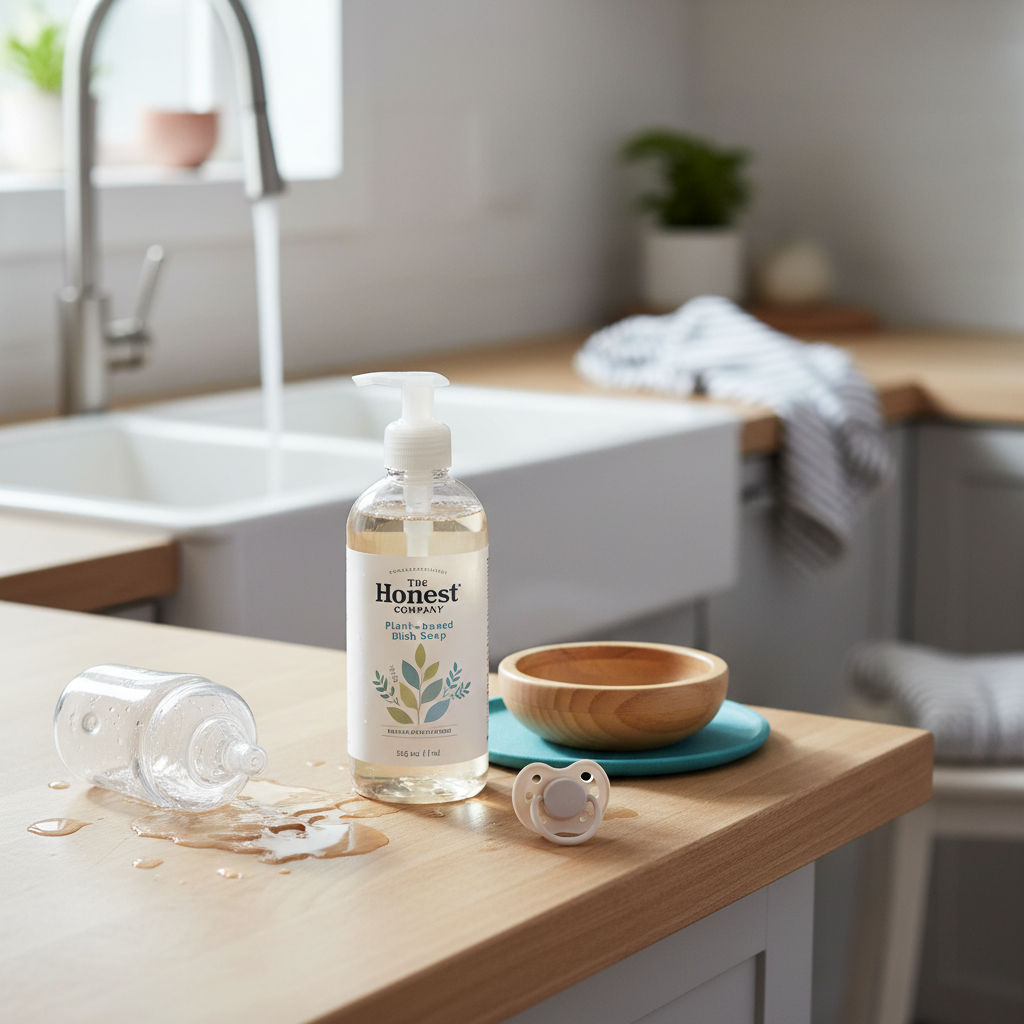
Choosing the right dish soap often feels like a simple chore, yet it’s a decision that impacts not only the cleanliness of your dishes but also the health of your home and the planet. For those navigating the vast array of cleaning products, finding a formula that truly balances powerful cleaning with gentle, eco-conscious ingredients can be a challenge. Common Good Dish Soap emerges as a standout option, designed for the modern household seeking both efficacy and sustainability. This comprehensive review delves into what makes Common Good a preferred pick, especially for those embracing refill solutions and a greener lifestyle.

The Common Good Ethos: A Commitment to Sustainable Cleaning
At its heart, Common Good is built on a philosophy that clean homes shouldn’t come at the expense of health or the environment. This brand has carved a niche by offering plant-based, non-toxic cleaning solutions that genuinely work. Their dish soap, a prime example of this commitment, is often celebrated as a “refill station pick” because it champions a waste-reduction model. Rather than endlessly discarding plastic bottles, Common Good encourages refilling, significantly minimizing plastic waste and fostering a more sustainable consumption habit among its users. The brand’s dedication extends beyond just the product inside the bottle; it encompasses a holistic approach to eco-friendly living.
Beyond the Bottle: Common Good’s Refill System and Environmental Impact
The cornerstone of Common Good’s environmental strategy lies in its innovative refill system. The brand primarily offers its dish soap in substantial 34 oz refill pouches. These pouches are a game-changer, utilizing an impressive 83% less plastic compared to standard individual bottles. This reduction in plastic is crucial for mitigating environmental impact, as less plastic production means fewer fossil fuels consumed and less waste ending up in landfills or oceans.
While “refill station pick” might conjure images of bulk dispensers in stores, Common Good’s approach focuses on accessible at-home refilling via these pouches. This system empowers consumers to easily replenish their reusable dispensers, thereby participating directly in a circular economy. The long-term environmental benefits are clear: a significant decrease in single-use plastic, reduced carbon footprint from manufacturing and transportation, and a move towards a more mindful consumption cycle. Embracing a refillable product like Common Good’s dish soap makes a tangible difference in a household’s contribution to a healthier planet.
Unpacking the Purity: Ingredients in Common Good Dish Soap
Understanding what goes into your dish soap is paramount, especially when considering its impact on your skin, your dishes, and the environment. Common Good Dish Soap prides itself on a concise, plant-based ingredient list, deliberately omitting harsh chemicals commonly found in conventional cleaners.
The primary ingredients include:
- Water: The universal solvent.
- Decyl Glucoside: A mild, non-ionic surfactant derived from plants, particularly coconut and corn. It’s known for its excellent foaming properties and gentle cleaning, making it effective without being irritating.
- Cocamidopropylamine Oxide & Lauramine Oxide: These are amphoteric surfactants, also plant-derived (often from coconut oil). They boost lather and cleaning power, contributing to the soap’s ability to cut through grease while remaining gentle on the skin.
- Phenoxyethanol & Ethylhexylglycerin: These act as preservatives, ensuring the product remains stable and free from microbial growth. They are considered safer, paraben-free alternatives, crucial for maintaining product integrity without using potentially harmful compounds.
- (Essential Oil): Used for scent, with options like Bergamot or Lavender providing natural aromas, or an unscented version for those with sensitivities.
Crucially, Common Good Dish Soap is free from a litany of undesirable ingredients, including sulfates, parabens, phthalates, synthetic fragrances, and isothiazolinone preservatives. Sulfates, often found in conventional soaps, can strip natural oils from the skin, leading to dryness and irritation. Parabens and phthalates are endocrine disruptors, while synthetic fragrances can trigger allergies and respiratory issues. By actively avoiding these components, Common Good ensures a non-toxic formula that is safer for daily use, kind to sensitive hands, and ultimately, better for your home and the ecosystem.
Performance on the Plate: Effectiveness and Experience
When it comes to dish soap, performance is non-negotiable. Common Good Dish Soap is specifically formulated to deliver powerful cleaning results, making it an ideal choice for tackling everyday kitchen messes.
Grease-Cutting Power: Despite its gentle, plant-based composition, Common Good Dish Soap is remarkably effective at cutting through grease, lifting stubborn food residues, and dissolving grime. Its concentrated formula means a small amount goes a long way, effortlessly tackling a sink full of dishes, pots, and pans, leaving them sparkling clean. Users consistently report its ability to handle tough, baked-on food with ease, requiring less effort than anticipated from an eco-friendly product.
Gentle on Hands: One of the most common complaints with conventional dish soaps is their harshness on skin, often leading to dryness, cracking, or irritation. Common Good addresses this by formulating its soap to be exceptionally gentle. Thanks to its mild, plant-derived surfactants and the absence of irritating chemicals, it helps maintain the skin’s natural moisture barrier, making it suitable even for those with sensitive skin who frequently wash dishes by hand.
Foaming Action: A good lather is often associated with effective cleaning, and Common Good Dish Soap doesn’t disappoint. It produces a rich, satisfying foam that helps encapsulate grease and food particles, allowing for efficient cleaning and easy rinsing. This robust foaming action contributes to a more pleasant and effective dishwashing experience, ensuring every item comes out spotless.
Scent Profile: Common Good offers its dish soap in carefully curated scents using pure essential oils, including refreshing Bergamot and calming Lavender. For those who prefer no added fragrance or have extreme sensitivities, an unscented option is also available. These natural aromas provide a subtle, pleasant experience without the overwhelming and often artificial smells associated with synthetic perfumes.
Common Good vs. Competitors: A Side-by-Side Analysis
Comparing Common Good Dish Soap to other options on the market reveals its unique positioning in the cleaning landscape.
When pitted against conventional dish soaps like Dawn or Palmolive, Common Good excels in its ingredient transparency and commitment to health and environmental safety. While conventional brands are often lauded for their powerful grease-cutting abilities and affordability, they frequently contain harsh chemicals such as synthetic fragrances, dyes, sulfates (like SLS/SLES), and strong preservatives, which can be irritating to skin and have questionable long-term environmental impacts. Common Good offers comparable cleaning power but achieves it with a biodegradable, plant-based formula, free from these undesirable additives, making it a superior choice for those prioritizing well-being and eco-consciousness.
Against other eco-friendly brands such as Method or Seventh Generation, Common Good often distinguishes itself through its specific ingredient choices and its prominent refill system. Many eco-friendly brands strive for plant-based formulas, but Common Good’s concise ingredient list and rigorous avoidance of a wide range of common irritants place it among the leaders in “clean” cleaning. Its strong emphasis on refill pouches provides a clear advantage in waste reduction, appealing directly to consumers actively seeking to minimize their plastic footprint beyond just recyclable bottles. While other green brands may offer refill options, Common Good’s entire product line is designed with this circular economy in mind, making it a more integrated sustainable solution.
Dish Soap Comparison Table
|
Our Picks for the Best Dishwashing liquid in 2026
As an Amazon Associate I earn from qualifying purchases.
|
||
| Num | Product | Action |
|---|---|---|
| 1 | Dawn Ultra Original Dish Soap Refill Jug, Large Size Original Blue Liquid Dishwashing Detergent, Powerful Dawn Dish Soap for Grease, 51.5 oz |

|
| 2 | Dawn Ultra Original Dish Soap Refill Jug Large Size Original Blue Liquid Dishwashing Detergent, Powerful Dawn Dish Soap for Grease, 51.5oz (Pack of 2) |
|
| 3 | Ajax Ultra Liquid Dish Soap Orange Scent, Triple Action, 90 fl oz Bottle |
|
| 4 | Dawn EZ-Squeeze Ultra Dish Soap, Dishwashing Liquid, Original, Dish Soap Refill, 22 fl oz |
|
| 5 | Dawn Platinum Dish Soap, Fresh Rain Scent Liquid Dishwashing Detergent, Powerful Dawn Dish Soap for Tough Grease Removal, 13 oz |
|
| 6 | Dawn Platinum EZ-Squeeze Dish Soap, Dishwashing Liquid, Fresh Rain, 2x18oz Bundle |
|
| 7 | Ajax Ultra Liquid Dish Soap Orange Scent,Triple Action, Mess-Free, Easy-Flip Cap, 52 fl oz Bottle |
|
| 8 | Palmolive Ultra Dishwashing Liquid Dish Soap, Pure + Clear Fragrance Free - 32.5 Fluid Ounce (Packaging may vary) |
|
| 9 | Cascade Complete Dishwasher Detergent Liquid Gel, Dish Detergent, Dishwasher Soap, Citrus, 75oz |
|
| 10 | Dawn Dishwashing Liquid, Original Scent, 38 fl oz |
|
| Brand Name | Key Benefits | Potential Drawbacks | Price Point (General) |
|---|---|---|---|
| Common Good | Plant-based, non-toxic, gentle on hands, effective grease-cutting, refillable (pouches), biodegradable. | Higher initial cost than conventional brands; availability might be limited to specialty stores or online. | Mid-to-High |
| Eco-Friendly Competitor (e.g., Seventh Generation) | Plant-derived ingredients, free from dyes/synthetic fragrances, good cleaning. | May use some different preservatives or more complex formulas; refill options vary. | Mid-to-High |
| Conventional Competitor (e.g., Dawn) | Very strong grease-cutting, widely available, very affordable. | Contains sulfates, synthetic fragrances, dyes; harsher on skin; significant plastic waste. | Low |
“Dish soap isn’t just about clean dishes; it’s about making a conscious choice for your family’s health and the planet.” – Dr. Eleanor Vance, Environmental Health Specialist
Choosing Wisely: Your Guide to Common Good Dish Soap
Making the switch to Common Good Dish Soap is a step towards a healthier, more sustainable home. Here’s what to consider when making your purchase and how to get the most out of your refill.
Factors to Consider:
- Scent Preference: With Bergamot, Lavender, and Unscented options, you can choose based on your aromatic preference or sensitivity. The essential oil scents are subtle and natural, avoiding artificial harshness.
- Skin Sensitivity: If you have reactive or dry skin, the “gentle on hands” formulation of Common Good is a significant benefit, often alleviating irritation caused by harsher soaps.
- Commitment to Refilling: The biggest advantage of Common Good is its refill system. Embrace the pouches to maximize environmental benefits and enjoy the convenience of stocking up.
Usage Tips for Maximum Effectiveness:
- Economical Use: Common Good Dish Soap is concentrated. A small squirt into your sink as it fills with water is often sufficient for a full load of dishes. Avoid over-dispensing to make your refills last longer.
- Tackling Tough Stains: For stubborn, baked-on food, apply a small amount of undiluted soap directly to the spot, let it sit for a few minutes to penetrate, then scrub as usual.
- Odor Neutralization: The essential oils, particularly bergamot, can help neutralize lingering food odors on dishes and sponges, leaving a fresh scent.
Storage: Store your dish soap in a cool, dry place away from direct sunlight to maintain its efficacy and extend its shelf life. Keep refill pouches sealed until ready for use to preserve freshness.
Conclusion
Common Good Dish Soap stands out as an exemplary choice for consumers who refuse to compromise between powerful cleaning and ethical responsibility. Its plant-based, non-toxic formula effectively tackles grease and grime while being remarkably gentle on hands and safe for your home. More importantly, its innovative refill pouch system significantly reduces plastic waste, making it a true “refill station pick” for the environmentally conscious household. By choosing Common Good, you’re not just cleaning your dishes; you’re making a positive impact on your well-being and the health of the planet. Ready to make a sustainable splash in your kitchen routine?
Frequently Asked Questions
Is Common Good Dish Soap truly non-toxic?
Yes, Common Good Dish Soap is formulated with plant-based ingredients and explicitly avoids harsh chemicals like sulfates, parabens, phthalates, synthetic fragrances, and dyes, making it a truly non-toxic option for your home.
How do Common Good refill pouches work?
Common Good refill pouches contain 34 oz of concentrated dish soap, designed to replenish your existing Common Good dispenser or any other reusable bottle. Simply pour the contents into your empty bottle, significantly reducing plastic waste compared to buying new bottles.
Is Common Good Dish Soap good for sensitive skin?
Absolutely. The soap’s mild, plant-derived surfactants and the absence of common irritants like sulfates and synthetic fragrances make it an excellent choice for individuals with sensitive or easily irritated skin.
What are the different scents available for Common Good Dish Soap?
Common Good Dish Soap is available in naturally derived scents such as Bergamot and Lavender, made with pure essential oils. An unscented option is also offered for those who prefer no fragrance.
Is Common Good Dish Soap safe for septic systems?
Yes, Common Good Dish Soap features a 100% readily biodegradable formulation and is certified safe for both septic and greywater systems, ensuring it breaks down naturally without harming your plumbing or the environment.