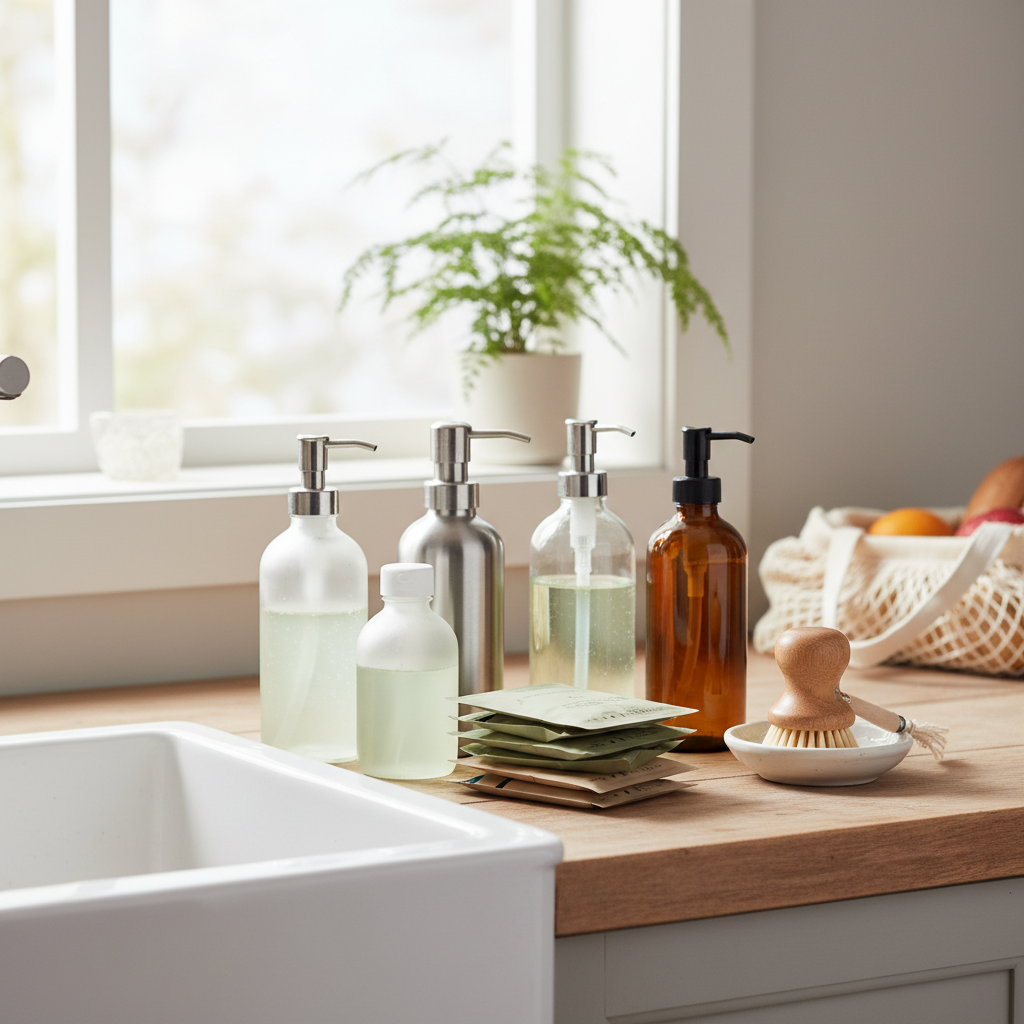
Keeping your dishes clean in the great outdoors presents a unique set of challenges. Unlike washing up at home, factors like water scarcity, environmental impact, and pack weight become paramount. The good news is that specialized, highly concentrated dishwashing solutions exist, offering an effective and responsible way to manage camp kitchen cleanup. Whether you’re car camping with family or embarking on a multi-day backpacking adventure, choosing the right dishwashing product is crucial for hygiene, efficiency, and adhering to Leave No Trace principles.
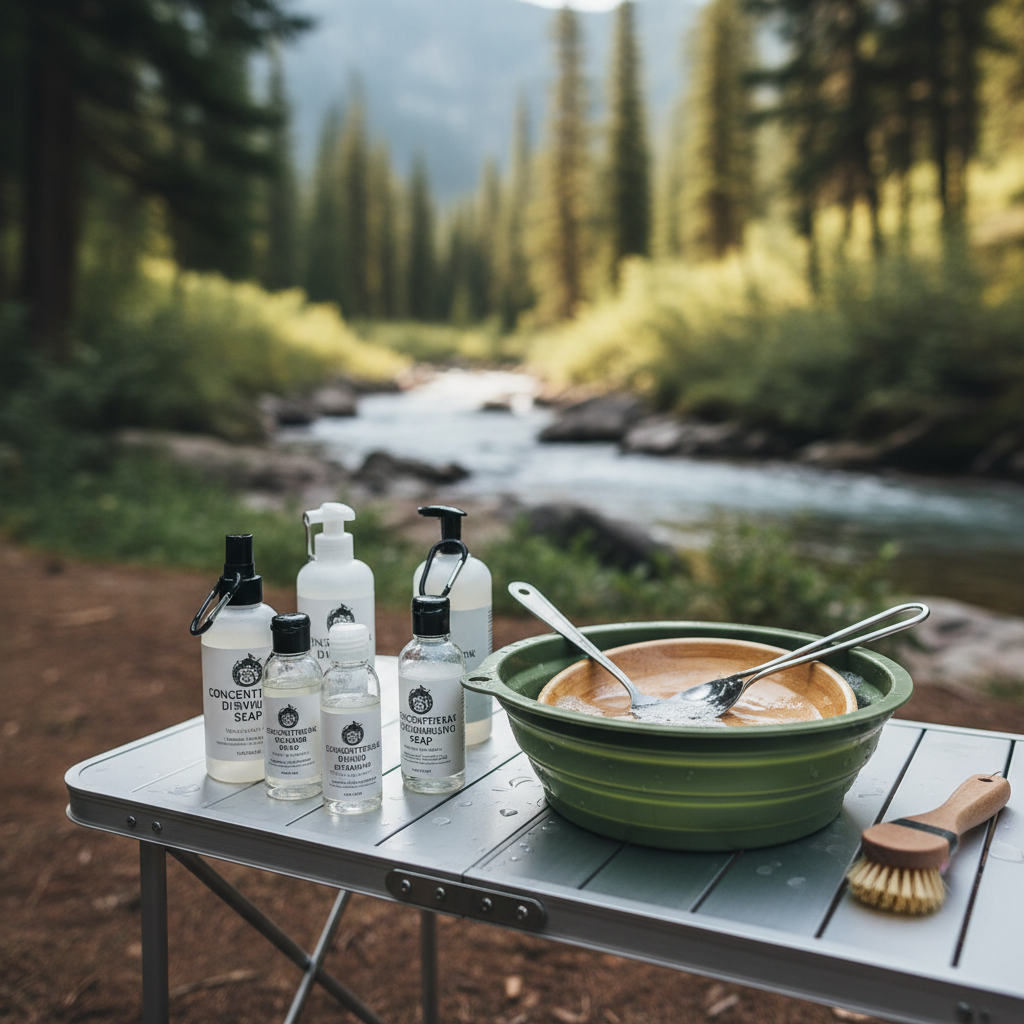
This comprehensive guide will explore the best concentrated dishwashing options for your outdoor excursions, helping you select a product that meets your needs while protecting the pristine environments you love to explore. We’ll delve into various forms, key features, top recommendations, and essential backcountry dishwashing techniques.
Why Concentrated Soaps are Essential for Outdoor Dishwashing
When heading into the wilderness, every ounce and every drop counts. That’s where concentrated dishwashing solutions truly shine, offering distinct advantages over their conventional counterparts.
The primary benefit is portability and weight savings. Highly concentrated formulas mean you need to carry significantly less product to achieve the same cleaning power. A small bottle of concentrated liquid or a compact soap bar can last for many trips, freeing up valuable space and reducing the burden on your pack. This is especially vital for backpackers where minimal weight is critical for comfort and endurance.
Another major advantage is reduced environmental impact. Many concentrated camping soaps are specifically formulated to be biodegradable, meaning their ingredients break down naturally in the environment. This is crucial for protecting waterways and ecosystems, as conventional soaps can contain harsh chemicals that persist in nature. Using these products, coupled with proper disposal techniques, helps ensure you leave no trace behind.
Furthermore, these soaps offer efficiency and longevity. Because they are so potent, a small amount goes a long way. This translates to fewer refills and a longer-lasting product, providing excellent value over time. Their robust cleaning power tackles tough grease and food residue even with limited water and cold temperatures, common challenges in outdoor settings. Many are also multi-purpose, capable of cleaning not just dishes, but also hands, body, and even laundry, further reducing the number of items you need to carry.
Types of Concentrated Dishwashing Solutions for Camping
While the term “dishwashing paste” might not be a widely used category in camping gear, the spirit of a highly concentrated, effective, and portable cleaning agent is embodied by several product types. These include concentrated liquid soaps, solid dish soap bars, and even soap sheets.
Concentrated Liquid Soaps
These are perhaps the most common and versatile options, often appearing as thick gels or highly potent liquids that require significant dilution. Brands like Dr. Bronner’s Pure-Castile Soap, Sea to Summit Wilderness Wash, and Campsuds are popular choices among outdoor enthusiasts. They are excellent for cutting through grease and grime, even in cold water, and a tiny amount can produce a surprising amount of suds.
Pros:
- High Cleaning Power: Highly effective against tough food residue and grease.
- Versatile: Many are multi-purpose, suitable for dishes, body, hair, and laundry.
- Easy to Dilute: Simple to mix with water for various cleaning tasks.
- Controlled Dispensing: Bottles allow for precise measurement, preventing overuse.
Cons:
- Potential for Leaks: If not properly sealed, liquid can leak in your pack.
- High Potency: Requires careful dilution to avoid waste and environmental impact.
- Cold Water Performance: While generally good, extremely cold water might reduce lathering.
|
Our Picks for the Best Dishwashing liquid in 2026
As an Amazon Associate I earn from qualifying purchases.
|
||
| Num | Product | Action |
|---|---|---|
| 1 | Palmolive Ultra Dishwashing Liquid Dish Soap, Pure + Clear Fragrance Free - 32.5 Fluid Ounce (Packaging may vary) |

|
| 2 | Dawn Ultra Original Dish Soap Refill Jug Large Size Original Blue Liquid Dishwashing Detergent, Powerful Dawn Dish Soap for Grease, 51.5oz (Pack of 2) |
|
| 3 | Ajax Ultra Liquid Dish Soap Orange Scent,Triple Action, Mess-Free, Easy-Flip Cap, 52 fl oz Bottle |
|
| 4 | Dawn Dishwashing Liquid, Original Scent, 38 fl oz |
|
| 5 | Dawn Platinum EZ-Squeeze Dish Soap, Dishwashing Liquid, Fresh Rain, 2x18oz Bundle |
|
| 6 | Dawn EZ-Squeeze Ultra Dish Soap, Dishwashing Liquid, Original, Dish Soap Refill, 22 fl oz |
|
| 7 | Dawn Platinum Dish Soap, Fresh Rain Scent Liquid Dishwashing Detergent, Powerful Dawn Dish Soap for Tough Grease Removal, 13 oz |
|
| 8 | Ajax Ultra Liquid Dish Soap Orange Scent, Triple Action, 90 fl oz Bottle |
|
| 9 | Dawn Ultra Original Dish Soap Refill Jug, Large Size Original Blue Liquid Dishwashing Detergent, Powerful Dawn Dish Soap for Grease, 51.5 oz |
|
| 10 | Cascade Complete Dishwasher Detergent Liquid Gel, Dish Detergent, Dishwasher Soap, Citrus, 75oz |
|
Solid Dish Soap Bars
Embodying the “paste” concept in a solid form, dish soap bars are an increasingly popular zero-waste option for camping and backpacking. These compact bars eliminate the need for plastic bottles and are highly concentrated, lasting a long time. Dr. Bronner’s, for example, offers bar soap versions of their popular castile soap. Many eco-friendly brands also offer dedicated solid dish soap bars designed for home use that can be adapted for the trail.
Pros:
- Zero-Waste/Plastic-Free: Reduces plastic consumption significantly.
- No Leaks: Solid form eliminates the risk of messy spills in your pack.
- Long-Lasting: A single bar can endure many camping trips due to its concentrated nature.
- Simple Ingredients: Often made with natural, biodegradable components.
Cons:
- Storage: Needs a soap dish or container to prevent it from getting soggy or collecting dirt.
- Lathering: Can be harder to create a strong lather in very cold water compared to liquids.
- Multi-purpose limitations: While some are multi-purpose, dedicated dish bars might be less ideal for personal hygiene.
Soap Sheets
For the ultralight backpacker, soap sheets offer an incredibly lightweight and compact solution. These are thin, dry sheets of soap that dissolve with water to create lather. While primarily marketed for handwashing, some varieties are suitable for light dish cleaning. Brands like Coleman Camp Soap Sheets are well-known in this category.
Pros:
- Ultra-Light and Compact: Takes up minimal space and adds almost no weight.
- Pre-portioned: Each sheet is a single use, eliminating guesswork and waste.
- No Mess: Dry sheets mean no spills or leaks.
Cons:
- Less Powerful: May not be as effective for heavily soiled or greasy dishes.
- Limited Suds: Generally produce less lather than liquid or bar soaps.
- Cost per use: Can be more expensive per wash compared to concentrated liquids or bars.
Key Features to Look for in Camping Dish Soap
Choosing the best dishwashing solution for your outdoor adventures goes beyond just cleaning power. Several other factors contribute to an ideal product for the wilderness.
Firstly, biodegradability is paramount. A truly biodegradable soap breaks down quickly and harmlessly in the environment, minimizing its impact on flora and fauna. However, “biodegradable” doesn’t mean it’s safe to use directly in waterways. Even eco-friendly soaps still contain nutrients that can disrupt aquatic ecosystems. Always follow Leave No Trace guidelines by washing at least 200 feet (about 70 steps) away from any water source and dispersing the greywater.
Secondly, consider its effectiveness against grease and grime. Camping often involves cooking hearty, sometimes greasy meals. Your chosen soap should be capable of tackling tough food residues efficiently, ideally with minimal water, to ensure your cookware is truly clean and ready for the next meal. Products like Campsuds are noted for their grease-fighting abilities.
Unscented or mildly scented options are generally preferred for camping. Strong fragrances, even from natural essential oils, can attract wildlife to your campsite, which can be dangerous for both humans and animals. An unscented or very subtle, natural scent is the safest choice for backcountry travel.
Compact and leak-proof packaging is another crucial feature. For backpackers, every inch of space and every gram of weight matters. Liquid soaps should come in robust, tightly sealing bottles to prevent leaks. Solid bars require a reliable, preferably waterproof, container or soap dish to protect them and your gear from moisture.
Finally, skin-friendliness is an important, though often overlooked, aspect. You’ll be using your hands to wash dishes, often in colder water and without the amenities of a home kitchen. Soaps made with natural, gentle ingredients (like castile soap from olive and coconut oils) are less likely to dry out or irritate your skin, making the cleanup process more comfortable.
Top Picks: A Comparative Look
Based on their performance, environmental credentials, and suitability for outdoor use, here are some of the leading concentrated dishwashing solutions for camping and backpacking.
- Dr. Bronner’s Pure-Castile Soap (Liquid & Bar): A perennial favorite for its versatility and natural, biodegradable formula. Available in liquid (which can be considered “paste-like” when highly concentrated) and bar forms, it’s effective for dishes, personal hygiene, and even laundry. The unscented baby mild version is ideal for minimizing wildlife attraction. It cleans well even in cold water.
- Sea to Summit Wilderness Wash (Liquid): Highly concentrated and multi-purpose, this liquid soap is designed specifically for backcountry adventures. It’s biodegradable, low-foaming, and a small capful can clean a sink full of dishes. Its durable, travel-friendly bottle makes it a reliable choice for any pack.
- Campsuds Concentrated Soap (Liquid): Another long-standing favorite, Campsuds is renowned for its powerful grease-cutting abilities and multi-purpose use. It’s biodegradable and effective, making it a solid choice for campers needing serious cleaning power for their cookware. The bottle often includes disposal instructions, reinforcing responsible use.
Comparison Table: Concentrated Dishwashing Solutions
| Product Type | Key Benefits | Considerations | Recommended For |
|---|---|---|---|
| Concentrated Liquid Soap | High cleaning power, multi-purpose, easy to dilute, effective in cold water. | Can leak if bottle is flimsy, high concentration needs careful dosing, may need separate container for washing. | All-around camp use, larger groups, versatile cleaning needs. |
| Solid Dish Soap Bar | Zero-waste, no leaks, long-lasting, often natural ingredients. | Can get soggy if not stored properly, may be harder to lather in very cold water, requires a soap dish. | Minimalists, eco-conscious campers, shorter trips, those who prioritize plastic-free. |
| Soap Sheets | Ultra-light, extremely compact, pre-portioned, no mess. | Less powerful for heavy grease, more for light cleaning or handwashing, may require more sheets for effective dish cleaning. | Ultralight backpackers, emergency kits, handwashing, light dish duty. |
How to Wash Dishes Responsibly in the Backcountry
Practicing Leave No Trace (LNT) principles is fundamental to enjoying and preserving the outdoors. When it comes to dishwashing, proper technique ensures cleanliness while minimizing environmental impact.
Here’s a step-by-step guide to responsible backcountry dishwashing:
- Scrape It Clean: Before adding any water or soap, meticulously scrape all food scraps from your dishes into a trash bag. This includes wiping plates with a paper towel or a small piece of cloth. Pack out all food waste.
- Gather Water Away from the Source: Collect water from a stream or lake in a separate container (like a collapsible bucket or cooking pot) and carry it at least 200 feet (approximately 70 adult paces) away from any water source, campsite, or trail. Never wash dishes directly in a natural water body.
- Heat Water (Optional but Recommended): If possible, heat some of the water using your camp stove. Warm water significantly improves cleaning efficiency and comfort, especially with greasy dishes and concentrated soaps.
- Wash with Minimal Soap: Use only a few drops or a small amount of your concentrated liquid or a light rub with your solid soap bar on a scrub pad or sponge. Lather thoroughly and clean your dishes. Many campers use a “two-bucket” or “two-pot” system: one for washing and one for rinsing.
- Rinse Thoroughly: Rinse your dishes in clean water. For solid soaps, you may need to dedicate a small amount of water to create a rinse bath. Ensure all soap residue is removed.
- Strain and Scatter Greywater: After washing and rinsing, strain the dirty “greywater” through a fine mesh strainer (like a bandana or specialized mesh) to capture any remaining food particles. Pack these particles out with your trash. Then, broadcast the strained greywater widely over a large area, at least 200 feet from water sources, camp, and trails. This allows the soil and microbes to break down the soap effectively. For larger groups, a four-bucket system can be used for improved sanitation.
- Air Dry: Air dry your dishes, or use a dedicated camp towel. Ensure everything is completely dry before packing to prevent mold and odors. Store your soap, sponge, and any other “smellables” with your food in a bear canister or hung from a tree to avoid attracting wildlife.
“The wilderness is a delicate balance. Every action, even something as simple as washing dishes, has an impact. Choosing biodegradable, concentrated soaps and following Leave No Trace principles aren’t just good practices; they’re our responsibility to preserve these invaluable spaces.”
Conclusion
Choosing the best dishwashing paste—or rather, the most effective concentrated dishwashing solution—for your camping and backpacking trips is a key step towards a cleaner, more enjoyable, and environmentally responsible outdoor experience. From highly potent liquid soaps like Dr. Bronner’s and Sea to Summit Wilderness Wash to the eco-friendly convenience of solid soap bars, the market offers excellent options to suit every adventurer’s style. Prioritizing biodegradability, concentrated formulas, and compact packaging ensures you can keep your gear spotless without compromising the health of the planet.
Remember, the product is only half the equation; how you use it matters just as much. By adhering to Leave No Trace principles and employing responsible dishwashing techniques, you contribute to preserving the natural beauty and ecological integrity of our cherished wild spaces. What concentrated dishwashing solution will you bring on your next outdoor adventure to keep your camp kitchen sparkling clean?
Frequently Asked Questions
What makes a dish soap “biodegradable” for camping?
A biodegradable dish soap contains ingredients that naturally break down into simpler compounds by microorganisms in the environment, minimizing long-term ecological impact. However, even biodegradable soaps should never be used directly in water sources, as they can still introduce excess nutrients and alter water pH. Always wash at least 200 feet away from water.
Can I use regular dish soap for camping?
While technically possible, regular dish soap is typically not recommended for camping and backpacking. It’s often less concentrated, requiring you to carry more weight and volume. More importantly, many conventional dish soaps contain harsh chemicals, phosphates, and synthetic fragrances that are not biodegradable and can harm wildlife and pollute water sources, violating Leave No Trace principles.
How much concentrated soap do I need for a trip?
Due to their high concentration, you’ll need very little. For liquid soaps, a small 2-4 ounce bottle can last for several days or even weeks of regular dishwashing for one or two people. For solid bars, a single bar can last even longer. It’s best to start with a minimal amount and add more if needed, as overuse wastes product and increases environmental impact.
Are scented soaps bad for camping?
Yes, strong scents, even from natural essential oils, can be problematic in the backcountry. They can attract animals, including bears and smaller critters, to your campsite, which can be dangerous and disrupt wildlife behavior. Opt for unscented or very mildly scented products whenever possible to minimize this risk.
How do I store solid dish soap while backpacking?
To prevent solid dish soap from becoming a soggy mess or contaminating your gear, store it in a dedicated, waterproof, and well-draining container or soap dish. Some travelers use small, sealable tins, while others repurpose small plastic containers with drainage holes. Ensure the bar is as dry as possible before packing it away.