Are uninvited garden pests wreaking havoc on your precious plants? Many home gardeners turn to a common household item, dish soap, as a seemingly simple solution to control these invaders. While dish soap can indeed be a powerful weapon against certain garden pests, its use requires careful understanding and application to ensure the safety of your beloved plants. This comprehensive guide will equip you with the knowledge to navigate the nuances of using dish soap for pest control, distinguishing between helpful practices and potential pitfalls.
Understanding Dish Soap and Its Role in Pest Control
The terms “dish soap” and “insecticidal soap” are often used interchangeably, but there’s a critical difference. Most common dishwashing liquids are actually detergents, formulated with synthetic chemicals, surfactants, dyes, and fragrances designed to aggressively cut through grease. True insecticidal soaps, on the other hand, are specifically formulated pesticides containing potassium salts of fatty acids. These true soaps are developed to be effective against pests while minimizing harm to plants.
How does soap, or detergent, work against pests? When a soap or detergent solution makes direct contact with a soft-bodied insect, it disrupts its protective outer layer (cuticle or cell membranes), causing it to lose vital moisture and dehydrate. The solution also reduces the surface tension of water, allowing it to penetrate the insect’s respiratory openings (spiracles), effectively suffocating the pest. This “contact killer” mechanism means there’s no residual effect once the spray dries.
Dish soap solutions are most effective against soft-bodied insects that breathe through their skin or have delicate exoskeletons. This includes common garden nuisances like aphids, whiteflies, thrips, mealybugs, and spider mites. They may also show some efficacy against soft scale insects, leafhoppers, and young grubs. Hard-bodied insects, such as caterpillars, beetles, and adult squash bugs, are generally less susceptible to these sprays, though drowning them in a bucket of soapy water can be an option for manual removal.
The Risks: Why Regular Dish Soap Can Harm Your Plants
Despite its perceived convenience, using conventional dish soap (detergent) on your garden plants carries significant risks. The very properties that make dish detergents excellent for cleaning dishes can be detrimental to plant health.
The powerful degreasing agents and synthetic chemicals (like sodium laurel sulfate) found in many dish soaps can strip the natural protective waxes and oils from plant leaves. This protective layer is crucial for preventing excessive moisture loss and defending against diseases. When compromised, plants become vulnerable to “phytotoxicity,” manifesting as leaf burn, yellowing, wilting, or stunted growth. Young, tender growth is particularly susceptible to this damage.
Furthermore, fragrances, dyes, and other additives in dish soaps can irritate plant tissues and cause adverse reactions. These non-essential ingredients offer no pest control benefits and only increase the risk of plant injury. Plants under stress—from drought, excessive heat (above 90°F), or high humidity—are also more vulnerable to damage from soap sprays. Certain plant varieties are known to be highly sensitive to soap applications, including sweet peas, impatiens, poinsettias, geraniums, begonias, portulacas, hawthorns, cherries, plums, and some varieties of beans, cucumbers, ferns, gardenias, peas, and tomatoes.
“Dishwashing liquid might seem like a quick fix, but its detergent properties can strip away a plant’s natural defenses, leaving it more susceptible to environmental stress and further damage.”
Crafting Your Own Dish Soap Pest Spray (With Caution)
If you choose to use dish soap, careful preparation and product selection are paramount to minimize harm.
Choosing the Right “Soap”
|
Our Picks for the Best Dishwashing liquid in 2026
As an Amazon Associate I earn from qualifying purchases.
|
||
| Num | Product | Action |
|---|---|---|
| 1 | Dawn EZ-Squeeze Ultra Dish Soap, Dishwashing Liquid, Original, Dish Soap Refill, 22 fl oz |

|
| 2 | Dawn Ultra Original Dish Soap Refill Jug, Large Size Original Blue Liquid Dishwashing Detergent, Powerful Dawn Dish Soap for Grease, 51.5 oz |
|
| 3 | Dawn Platinum Dish Soap, Fresh Rain Scent Liquid Dishwashing Detergent, Powerful Dawn Dish Soap for Tough Grease Removal, 13 oz |
|
| 4 | Ajax Ultra Liquid Dish Soap Orange Scent, Triple Action, 90 fl oz Bottle |
|
| 5 | Ajax Ultra Liquid Dish Soap Orange Scent,Triple Action, Mess-Free, Easy-Flip Cap, 52 fl oz Bottle |
|
| 6 | Dawn Dishwashing Liquid, Original Scent, 38 fl oz |
|
| 7 | Palmolive Ultra Dishwashing Liquid Dish Soap, Pure + Clear Fragrance Free - 32.5 Fluid Ounce (Packaging may vary) |
|
| 8 | Dawn Ultra Original Dish Soap Refill Jug Large Size Original Blue Liquid Dishwashing Detergent, Powerful Dawn Dish Soap for Grease, 51.5oz (Pack of 2) |
|
| 9 | Cascade Complete Dishwasher Detergent Liquid Gel, Dish Detergent, Dishwasher Soap, Citrus, 75oz |
|
| 10 | Dawn Platinum EZ-Squeeze Dish Soap, Dishwashing Liquid, Fresh Rain, 2x18oz Bundle |
|
The first rule is to choose the simplest, purest soap possible. Avoid “ultra” concentrated formulas, antibacterial varieties, or those with added moisturizers, degreasers, or strong fragrances. Ideally, opt for a plain, unscented, dye-free liquid soap. Castile soap, which is a true soap made from vegetable oils, is often recommended as a safer alternative to conventional dish detergents. Even with Castile soap, dilution is key.
DIY Recipe for a Basic Dish Soap Spray
A typical, cautiously recommended dilution for a dish soap spray is around 1-2% soap concentration.
Ingredients:
- 1-2 teaspoons of plain, unscented dish soap (or Castile soap)
- 1 quart (about 4 cups) of water
- (Optional) 1 tablespoon of vegetable oil (can help the spray stick to pests, but adds another variable to plant safety)
Instructions:
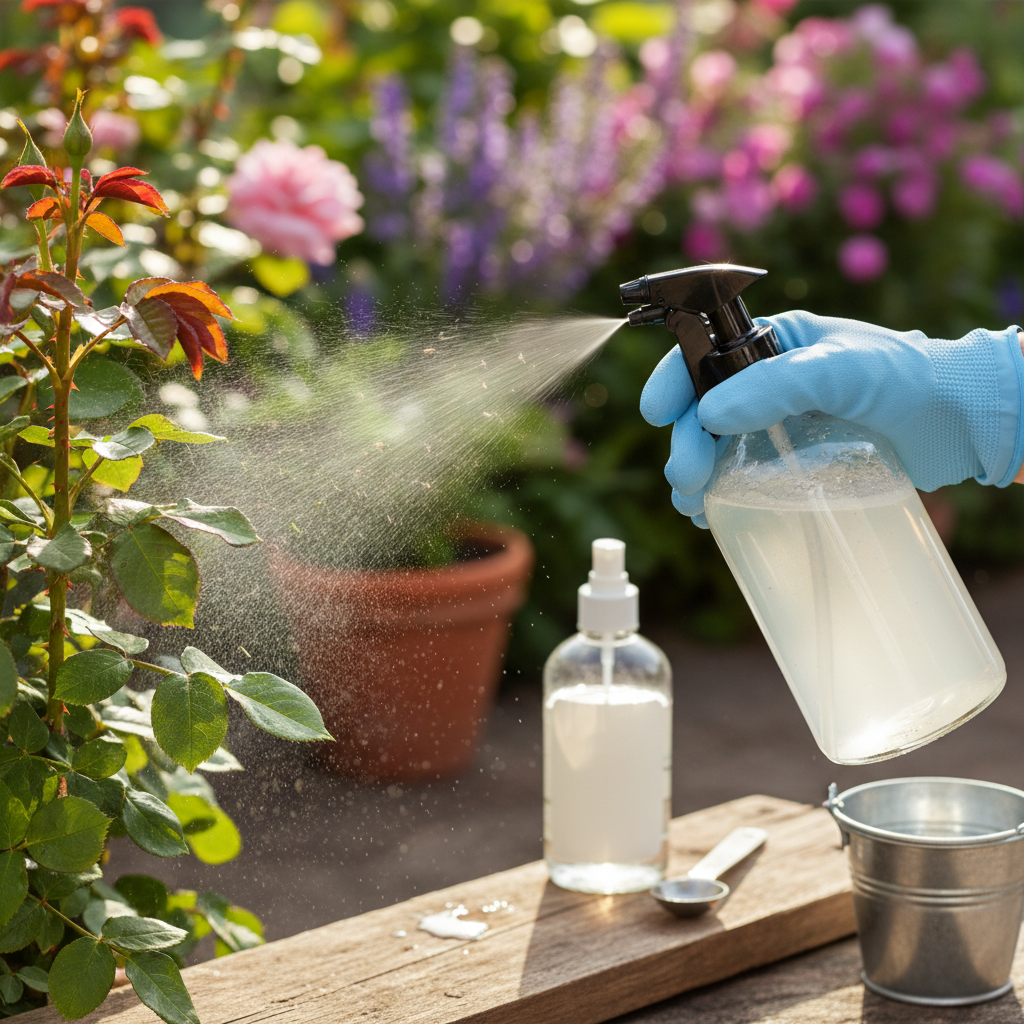
- Combine the soap and water in a clean spray bottle.
- Shake well to mix thoroughly.
- Use immediately, as solutions can separate over time. Do not store leftover mixture; prepare fresh for each application.
Dish Soap vs. Commercial Insecticidal Soap: A Comparison
When tackling garden pests, understanding the fundamental differences between household dish soap and specially formulated commercial insecticidal soap is crucial for effective and safe treatment.
| Feature | Household Dish Soap (Detergent) | Commercial Insecticidal Soap (True Soap) |
|---|---|---|
| Composition | Synthetic chemicals, surfactants, degreasers, dyes, fragrances | Potassium salts of fatty acids (true soap) |
| Primary Purpose | Cleaning dishes, cutting grease | Pest control, specifically formulated for plants |
| Mechanism | Disrupts insect cuticle, suffocates | Disrupts insect cuticle, suffocates |
| Target Pests | Primarily soft-bodied insects (aphids, mites, whiteflies) | Wide range of soft-bodied insects, mites |
| Plant Safety | High risk of phytotoxicity (leaf burn, stripping waxes) | Lower risk of phytotoxicity (when used as directed) |
| Additives | Often contains harsh chemicals, dyes, perfumes | Minimal additives, designed to be plant-friendly |
| Residual Effect | None, dries quickly | None, dries quickly, degrades with sunlight |
| Cost | Generally lower | Generally higher |
Applying Dish Soap Sprays Safely and Effectively
Using any soap-based spray requires diligence to protect your plants and maximize pest control.
Patch Test is Non-Negotiable
Before widespread application, always perform a patch test. Spray a small, inconspicuous area of the affected plant and wait 24-48 hours. Observe for any signs of damage like yellowing, browning, wilting, or spots. If the plant shows adverse reactions, do not use the spray on that particular plant or at that concentration.
Optimal Timing and Application
Apply your soap solution during the coolest parts of the day—early morning or late evening—to prevent rapid evaporation and minimize the risk of leaf burn, especially in direct sunlight. Thoroughly coat the affected areas of the plant, ensuring direct contact with the pests. Pay special attention to the undersides of leaves, where many pests hide. The spray must hit the pest to be effective.
The Importance of Rinsing
While some sources suggest rinsing isn’t necessary for properly diluted insecticidal soap, it is highly recommended when using dish soap. After about 15-20 minutes, gently rinse the treated plants with clear water. This helps wash away residual detergent that could otherwise damage plant foliage and minimizes accumulation of salts.
Repeat Applications
Since soap sprays have no residual action, repeat applications will likely be necessary for ongoing pest control. Check your plants every 5-7 days and reapply if new pests or signs of infestation appear. Consistent monitoring and treatment are key to managing pest populations effectively.
When to Use Commercial Insecticidal Soaps Instead
Given the potential risks associated with dish detergents, commercial insecticidal soaps are often the preferred choice for garden pest control. These products are specifically formulated with plant safety in mind, using potassium salts of fatty acids that are less likely to cause phytotoxicity. They are also regulated by environmental agencies, ensuring a tested and predictable performance when used according to label instructions.
If you have sensitive plants, are dealing with a severe or persistent infestation, or simply want a more reliable and safer option, investing in a commercial insecticidal soap is a wise decision. Always read and follow the manufacturer’s directions carefully for optimal results and plant protection.
Conclusion
While the idea of using household dish soap for garden pests is tempting due to its accessibility, it’s a practice that demands caution and a clear understanding of the risks. Dish detergents, with their potent cleaning agents and additives, can inadvertently harm your plants by stripping their natural defenses. By understanding the difference between dish soap and true insecticidal soap, employing meticulous dilution, conducting patch tests, and applying treatments strategically, you can mitigate potential damage. For consistent, reliable, and plant-safe pest management, commercial insecticidal soaps remain the superior choice. Remember, the goal is to eliminate pests, not compromise the health and vibrancy of your beloved garden.
How will you choose to protect your garden this season?
Frequently Asked Questions
What kind of dish soap is safest for plants?
For gardeners choosing to use dish soap, an unscented, dye-free, and plain liquid soap with minimal additives (such as Castile soap) is generally considered the least harmful. Avoid antibacterial or “ultra” concentrated formulas, as they contain harsher chemicals that increase the risk of plant damage.
How often can I spray dish soap on my plants?
Dish soap sprays have no residual effect, meaning they only kill pests on contact. You may need to reapply every 5-7 days for ongoing infestations. However, frequent applications increase the risk of phytotoxicity, so always perform a patch test and rinse plants after treatment, especially if using dish detergent.
Can dish soap kill beneficial insects?
Yes, soap sprays are non-selective and can harm beneficial insects (like ladybugs and lacewings) if they come into direct contact with the spray. Apply judiciously, targeting only affected areas, and avoid spraying when beneficial insects are most active.
What are common signs of dish soap damage on plants?
Signs of phytotoxicity from dish soap include yellowing or browning leaf edges, scorched spots, wilting, or overall stunted growth. If you observe these symptoms after application, immediately rinse your plant with plain water and discontinue using the dish soap solution.
Should I rinse off dish soap after spraying for pests?
Yes, it is highly recommended to rinse off dish soap solutions after 15-20 minutes, especially when using conventional dish detergents. This helps prevent the accumulation of potentially harmful residues on plant leaves and reduces the risk of leaf burn or other phytotoxic effects.