Stepping into the cleaning aisle, you’re immediately confronted with a vibrant array of options, each promising a sparkling clean and often, a delightful aroma. But have you ever paused to consider what truly makes a cleaning product effective, and if that enticing scent is actually a beneficial component or a hidden concern? As an expert with over a decade of experience in dishwashing solutions, I’ve personally evaluated hundreds of products, from everyday essentials to premium formulations. My goal is to cut through the marketing jargon and share honest, actionable advice to help you navigate the world of scented versus unscented cleaning products, ensuring you choose what’s truly best for your family’s needs and well-being.
Understanding Scented Cleaning Products
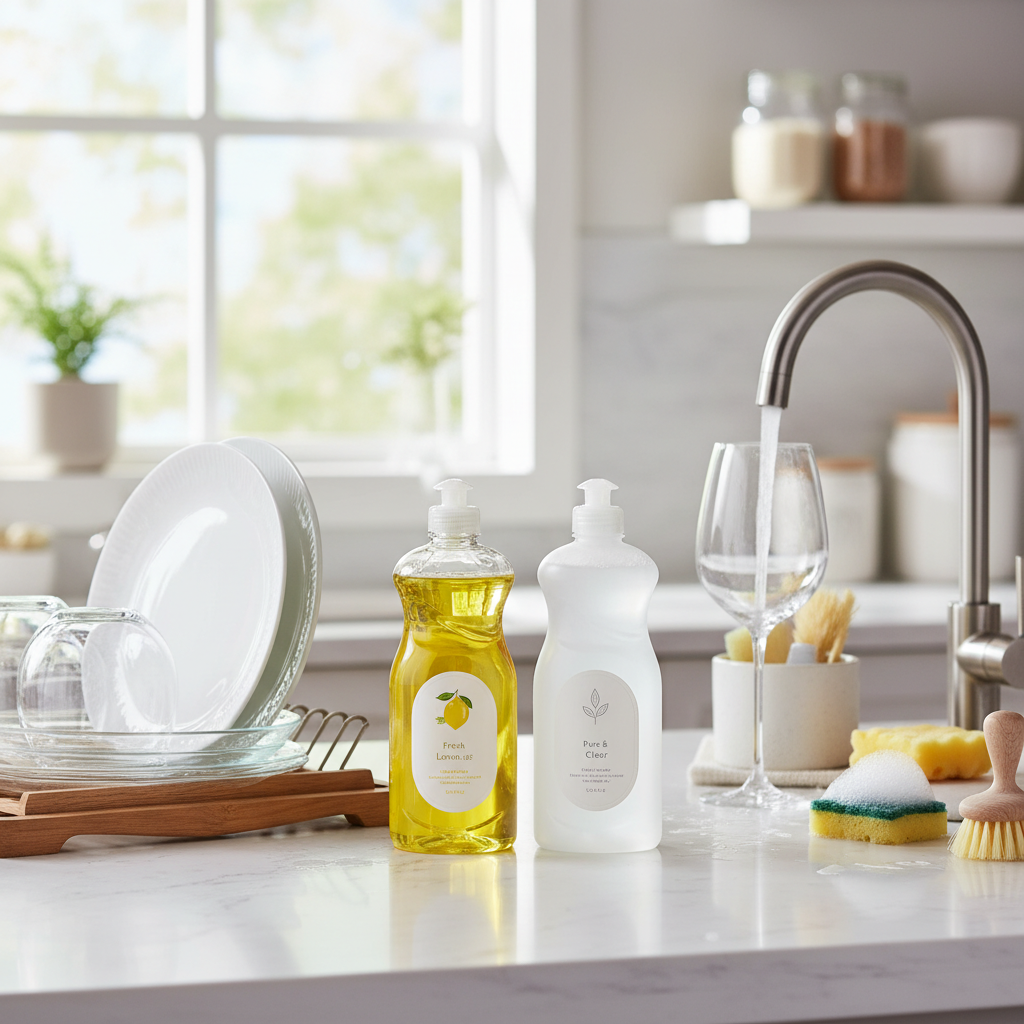
For many, a pleasant aroma is synonymous with cleanliness. The fresh burst of citrus or the calming scent of lavender after a cleaning session can evoke a sense of satisfaction and a perception of a truly disinfected space. This association is deeply ingrained, often cultivated by marketing that links strong, fresh smells to superior cleaning. Scented cleaning products achieve their aromas through a blend of ingredients, which can be derived from natural essential oils or, more commonly, synthetic fragrances.
The primary role of these fragrances, especially in products like dishwashing liquid, is not to enhance cleaning efficacy but to create a more agreeable user experience and mask the inherent chemical odors of the cleaning agents themselves. A P&G market survey found that a significant majority of respondents felt a good-smelling home felt cleaner, and many used scent to gauge the effectiveness of their laundry wash. This psychological benefit can be powerful, transforming a mundane chore into a more enjoyable ritual. Some natural fragrances, like lemon, may also be perceived to have disinfecting properties, further reinforcing the clean feeling. However, it’s crucial to understand that the presence of a scent does not inherently boost a product’s cleaning or disinfecting capabilities.
The Hidden Risks of Scented Cleaners
While the allure of a “fresh” scent is strong, many scented cleaning products come with potential downsides, particularly regarding health and indoor air quality. The term “fragrance” on an ingredient list often represents a complex cocktail of dozens to hundreds of undisclosed chemicals, many of which are synthetic. Manufacturers are typically not required to reveal the specific compounds in their fragrances, as these formulations are considered trade secrets. This lack of transparency can be concerning for consumers.
These hidden ingredients can include Volatile Organic Compounds (VOCs), phthalates, and synthetic musks, which are known to emit into the air during and after cleaning. Exposure to these VOCs has been linked to a range of adverse health effects. Common issues reported include respiratory problems like asthma attacks, breathing difficulties, coughing, and worsened asthma symptoms. [cite: 3, 4, 1_search_allergies] Skin irritation, rashes, headaches, migraines, and even neurological problems are also frequently associated with fragrance exposure. [cite: 5, 3_search_allergies] For example, phthalates are recognized as endocrine disruptors, while some aldehydes, like acetaldehyde, are known carcinogens. [cite: 3_search_ingredients] Chemicals such as limonene, commonly used for citrus scents, can react with ozone to form formaldehyde, a known carcinogen and irritant. [cite: 5_search_ingredients] Cleaning professionals, due to their increased exposure, face a higher risk, with studies suggesting that regular use of chemical cleaning products can damage female workers’ lungs as much as smoking a pack of cigarettes daily for 10 to 20 years. This makes the choice of cleaning products not just a matter of preference, but a significant health consideration for every household.
Embracing Unscented Cleaning Power
The alternative to scented cleaning products lies in their unscented counterparts, which prioritize cleaning efficacy without added aromas. However, it’s important to clarify a key distinction: “unscented” is not always the same as “fragrance-free.” A product labeled “unscented” might still contain masking agents—chemicals designed to neutralize or cover up unwanted odors without imparting a detectable scent. [cite: 3_search_ingredients] These masking agents can still trigger the same health reactions as overt fragrances. For a truly pure option, look for products explicitly labeled “fragrance-free,” which means no fragrance ingredients have been added at all. [cite: 3_search_ingredients]
The benefits of choosing truly fragrance-free cleaning products are substantial, especially for sensitive individuals. They are ideal for households with sensitive skin, allergies, asthma, or chemical sensitivities, as they minimize the risk of skin irritation, respiratory issues, and headaches. [cite: 1_search_unscented] Infants and young children, whose delicate skin and developing systems are more vulnerable to harsh chemicals, also benefit significantly from fragrance-free options. [cite: 1_search_unscented] Furthermore, these products contribute to better indoor air quality by reducing the release of VOCs and other airborne pollutants. [cite: 4_search_unscented] From an environmental standpoint, fewer synthetic chemicals generally mean a more eco-friendly product with reduced potential for water and air pollution. [cite: 4_search_unscented] Crucially, extensive research and practical experience confirm that unscented cleaning products are just as effective as their scented counterparts in removing dirt, grease, and grime. The cleaning power comes from the active cleaning agents, not the fragrance. [cite: 1_search_unscented, 2, 3]
Key Ingredients in Scented vs. Unscented Formulas
Understanding the ingredients in your cleaning products is paramount, irrespective of whether they are scented or unscented. All effective cleaning products rely on fundamental components such as surfactants (which help lift dirt and grease), solvents, and sometimes abrasives or enzymes. These core ingredients are responsible for the actual cleaning action and are present in both scented and unscented formulations.
The primary difference, then, lies in the presence or absence of fragrance compounds and their associated additives. In scented products, beyond the core cleaning agents, you’ll find a “fragrance” or “parfum” blend. As discussed, this blend can contain numerous chemicals, some of which are known to be problematic. These include:
- Phthalates: Often used to make scents last longer, linked to endocrine disruption. [cite: 3_search_ingredients]
- Synthetic Musks (e.g., Galaxolide, Tonalide): Provide a long-lasting scent but are also endocrine disruptors. [cite: 3_search_ingredients]
- Volatile Organic Compounds (VOCs): A broad category including substances like limonene (citrus scent), which can contribute to indoor air pollution and trigger respiratory issues. [cite: 5_search_ingredients, 3]
- Preservatives (e.g., Formaldehyde-releasing agents): Sometimes found in conjunction with fragrances, contributing to health risks. [cite: 3_search_ingredients]
Conversely, truly fragrance-free products will omit these fragrance blends and masking agents. This often results in a simpler, more transparent ingredient list. For example, many unscented cleaning products prioritize ingredients like water, citric acid, decyl glucoside, and phenoxyethanol, focusing solely on cleaning efficacy and preservation without scent. [cite: 3_search_unscented] This transparency allows consumers to make more informed choices, especially those with sensitivities.
Scented vs. Unscented Cleaning Products Comparison
To help you visualize the differences, here’s a comparative overview of scented and unscented cleaning products:
| Feature | Scented Products | Unscented Products |
|---|---|---|
| Fragrance | Contains added scents (synthetic or natural oils) | No added fragrance; may use masking agents if “unscented,” truly “fragrance-free” contains none |
| Health Impact | Higher risk of respiratory issues, skin irritation, headaches, allergies due to VOCs and undisclosed chemicals | Lower risk of adverse health reactions; ideal for sensitive individuals [cite: 1_search_unscented] |
| Cleaning Efficacy | Same as unscented; fragrance does not improve cleaning power | Equally effective in removing dirt, grease, and stains [cite: 1_search_unscented] |
| Environmental Impact | Can contribute to air and water pollution due to synthetic chemicals and VOCs [cite: 4_search_unscented] | Generally more eco-friendly with fewer chemicals and reduced VOC emissions [cite: 4_search_unscented] |
| Transparency | “Fragrance” often hides multiple ingredients (trade secrets) | Typically more transparent ingredient lists, especially for “fragrance-free” options |
| User Experience | Provides a perceived “fresh” smell; psychological association with cleanliness | Neutral smell; focus on true cleanliness without sensory additives; no competing scents [cite: 1_search_unscented] |
Choosing the Right Cleaning Product for Your Home
Making the best choice between scented and unscented cleaning products, including your essential dishwashing liquid, requires careful consideration of your household’s unique needs and values. It’s not simply a matter of personal preference, but an informed decision about health and environmental impact.
Key factors to consider include:
- Household Members: If anyone in your family—especially children, seniors, or those with pre-existing conditions—suffers from allergies, asthma, migraines, or sensitive skin, opting for truly fragrance-free products is highly recommended. Fragrances are a leading cause of contact dermatitis and can trigger severe respiratory reactions. [cite: 1_search_allergies]
- Personal Preference vs. Reality: Do you genuinely prefer a scented product, or have you been conditioned to associate scent with cleanliness? Many find that once they switch to unscented, they appreciate the absence of artificial smells and learn to recognize true cleanliness.
- Environmental Values: If reducing your environmental footprint is a priority, fragrance-free products often align better with eco-conscious living due to fewer synthetic chemicals and reduced VOC emissions. [cite: 4_search_unscented]
- Label Literacy: Be vigilant when reading product labels. Look for explicit “fragrance-free” claims rather than just “unscented.” Additionally, seek out brands that fully disclose all their ingredients, providing complete transparency.
Ultimately, the best choice is the one that provides effective cleaning while safeguarding the health and comfort of everyone in your home.
Expert Tips for Effective and Safe Cleaning
With my years of experience, I can confidently tell you that a genuinely clean home doesn’t need to smell like a chemical factory. Here are some expert tips to ensure your cleaning routine is both effective and safe:
- Focus on Active Cleaning Agents: The true power of a cleaning product lies in its active ingredients, such as surfactants, enzymes, or mild acids, not the fragrance. Research what these agents do and select products formulated for the specific cleaning task at hand, whether it’s tackling grease on dishes or sanitizing surfaces.
- Embrace Ventilation: Regardless of whether you use scented or unscented products, always ensure good ventilation during and after cleaning. Open windows and doors to allow fresh air to circulate and disperse any airborne particles or fumes, protecting your respiratory health.
- “Clean” Has No Scent: Challenge the ingrained notion that cleanliness has a smell. A truly clean dish, countertop, or floor should simply smell neutral. Any lingering scent, even a pleasant one, can indicate residual chemicals or masking agents. For dishwashing liquid, this is especially critical; you don’t want any chemical residue or fragrance transferring to your food.
- Consider Natural Alternatives (Wisely): If you desire a subtle, natural aroma, consider adding a few drops of pure, high-quality essential oils to your cleaning water after diluting your unscented cleaner, or use them in diffusers. However, be aware that even natural essential oils can be allergens for some individuals, so always test for sensitivity and use them sparingly.
- Prioritize Transparency: Support brands that are transparent about their ingredients. Organizations like the Environmental Working Group (EWG) provide valuable databases to help consumers find safer, fragrance-free options for all types of cleaning.
“Dishwashing liquid is not just a cleaning agent; it profoundly impacts your family’s health through continuous contact and potential airborne exposure.”
Conclusion
The debate between scented and unscented cleaning products, particularly dishwashing liquid, extends beyond mere preference to crucial considerations of health, efficacy, and environmental responsibility. While scented products often leverage our psychological association of fragrance with cleanliness, they frequently come with hidden risks due to undisclosed chemical compounds and Volatile Organic Compounds (VOCs). These can lead to respiratory issues, skin irritation, and other adverse health effects for many individuals.
Conversely, truly fragrance-free cleaning products offer an equally powerful cleaning performance without these associated risks, making them the superior choice for sensitive individuals, children, and anyone prioritizing indoor air quality and environmental health. Remember that “unscented” and “fragrance-free” are not interchangeable terms; always seek out products explicitly labeled “fragrance-free” with full ingredient disclosure. By making informed choices, you can ensure your home is not only sparkling clean but also genuinely healthy and safe. What aspects of your cleaning routine will you re-evaluate to prioritize true cleanliness over perceived freshness?
Frequently Asked Questions
Do unscented cleaners clean as well as scented ones?
|
Our Picks for the Best Dishwashing liquid in 2026
As an Amazon Associate I earn from qualifying purchases.
|
||
| Num | Product | Action |
|---|---|---|
| 1 | Cascade Complete Dishwasher Detergent Liquid Gel, Dish Detergent, Dishwasher Soap, Citrus, 75oz |

|
| 2 | Dawn Platinum EZ-Squeeze Dish Soap, Dishwashing Liquid, Fresh Rain, 2x18oz Bundle |
|
| 3 | Dawn EZ-Squeeze Ultra Dish Soap, Dishwashing Liquid, Original, Dish Soap Refill, 22 fl oz |
|
| 4 | Ajax Ultra Liquid Dish Soap Orange Scent,Triple Action, Mess-Free, Easy-Flip Cap, 52 fl oz Bottle |
|
| 5 | Dawn Dishwashing Liquid, Original Scent, 38 fl oz |
|
| 6 | Dawn Platinum Dish Soap, Fresh Rain Scent Liquid Dishwashing Detergent, Powerful Dawn Dish Soap for Tough Grease Removal, 13 oz |
|
| 7 | Dawn Ultra Original Dish Soap Refill Jug, Large Size Original Blue Liquid Dishwashing Detergent, Powerful Dawn Dish Soap for Grease, 51.5 oz |
|
| 8 | Dawn Ultra Original Dish Soap Refill Jug Large Size Original Blue Liquid Dishwashing Detergent, Powerful Dawn Dish Soap for Grease, 51.5oz (Pack of 2) |
|
| 9 | Palmolive Ultra Dishwashing Liquid Dish Soap, Pure + Clear Fragrance Free - 32.5 Fluid Ounce (Packaging may vary) |
|
| 10 | Ajax Ultra Liquid Dish Soap Orange Scent, Triple Action, 90 fl oz Bottle |
|
Yes, absolutely. The cleaning power of a product comes from its active ingredients, such as surfactants and solvents, which are present in both scented and unscented formulations. Fragrances do not contribute to a product’s cleaning effectiveness; they are primarily added for sensory appeal and to mask chemical odors.
What’s the difference between “unscented” and “fragrance-free”?
This distinction is crucial. “Fragrance-free” means no fragrance ingredients have been added to the product. “Unscented,” however, means there is no noticeable smell, but the product may still contain masking agents or chemicals designed to neutralize odors. These masking agents can still trigger sensitivities for some individuals. [cite: 3_search_ingredients]
Can natural fragrances cause allergies?
Yes, even natural fragrances derived from essential oils (like limonene or lavender oil extracts) can act as allergens and trigger reactions in sensitive individuals. While often perceived as safer than synthetic fragrances, they are not universally hypoallergenic. It’s always best to patch test or opt for truly fragrance-free options if you have sensitivities. [cite: 2_search_allergies]
Are scented dishwashing liquids safe for food contact?
While dishwashing liquids are designed to be rinsed off, any lingering fragrance or chemical residue from scented products can potentially transfer to food. For peace of mind and to avoid any unwanted chemical ingestion, using fragrance-free dishwashing liquid is generally recommended, especially for items used by children.
Why do some cleaning products have a strong chemical smell even if “unscented”?
Some “unscented” products may have a natural base odor from their active cleaning ingredients. Additionally, some manufacturers use masking agents to neutralize these inherent odors, which, while not imparting a “scent,” are still chemical compounds that can be irritating to some users. True “fragrance-free” products aim to minimize all added odors. [cite: 3_search_ingredients]
How can I check if a product is truly fragrance-free?
Look for explicit “fragrance-free” labeling on the product packaging. It is also helpful to check the ingredient list for terms like “fragrance,” “parfum,” or “aroma.” Brands committed to true transparency will often state that they contain no added fragrances or masking agents, and may even be certified by third-party organizations.