Picture this: You’re out of dishwasher detergent, staring at a stack of dirty dishes, and that familiar bottle of hand dish soap seems like a tempting quick fix. It’s “dish soap,” after all, so surely it can clean dishes in a dishwasher machine, right? The truth, however, is that this seemingly minor substitution can lead to a sudsy disaster, transforming your kitchen into a foamy wonderland and potentially causing harm to your appliance. Understanding the critical differences between dish soap and specialized dishwasher detergent is essential to maintaining both a clean kitchen and a functional dishwasher.
The Peril of Dish Soap in a Dishwasher Machine
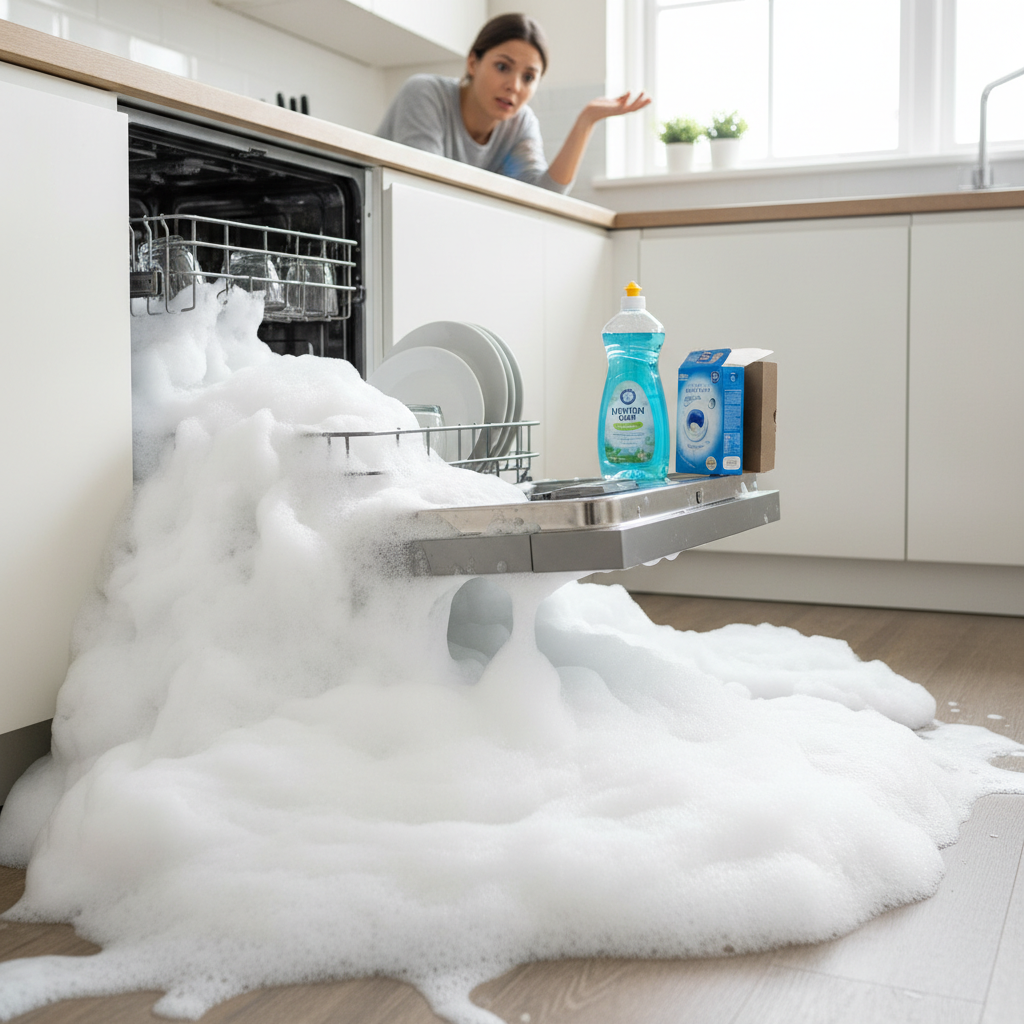
Introducing regular dish soap into your dishwasher is a common mistake with a spectacular, messy outcome. Unlike its automatic counterpart, hand dish soap is engineered to create a rich lather of suds, which is ideal for manual scrubbing. When exposed to the high-pressure spray and hot water cycles of a dishwasher, these suds multiply exponentially, quickly filling the entire appliance. This uncontrolled foaming inevitably leads to an overflow, with soapy bubbles spilling out from the dishwasher door and across your kitchen floor. The cleanup is not only arduous but can also pose several risks.
Beyond the immediate mess, using dish soap can have serious repercussions for your appliance and home. The thick foam can clog the dishwasher’s internal filter, impeding water circulation and preventing the spray arms from functioning correctly. This can lead to inefficient cleaning, leaving dishes with a stubborn, soapy residue. More alarmingly, the overflow of soapy water can seep into your kitchen cabinetry and flooring, causing water damage. In severe cases, it may even impact nearby electrical outlets or the dishwasher’s electronic controls, risking short circuits or irreparable damage to crucial components like the pump and seals.
Dish Soap vs. Dishwasher Detergent: Understanding the Core Differences
The fundamental distinction between dish soap and dishwasher detergent lies in their chemical composition and intended use. While both are designed to clean dishes, they achieve this through vastly different mechanisms. Hand dish soap is formulated with specific surfactants that activate with agitation and water to produce abundant suds, which physically lift grease and food particles during manual washing. It also often contains “mildness additives” like moisturizers to protect your hands during prolonged contact.
In contrast, dishwasher detergent is a powerhouse blend designed for an enclosed, high-temperature, and high-pressure environment without direct human contact. Its formulation focuses on anti-foaming agents, ensuring a minimal sudsing action. Instead of foam, dishwasher detergent relies heavily on powerful enzymes that break down tough food stains, starches, and proteins. Many dishwasher detergents also contain bleach for sanitization and stain removal, along with rinse aid and salts to prevent water spots and enhance drying. These ingredients, while highly effective in a machine, are far too harsh for skin contact and would create an overwhelming foam if used for handwashing.
“The primary distinction between dish soap and dishwasher detergent lies in their foaming properties. Dish soap is formulated to create abundant suds for manual scrubbing, while dishwasher detergent is engineered for a foam-free, enzyme-driven cleaning process within an enclosed machine.” – Appliance Repair Expert
Here’s a quick comparison to highlight their key differences:
Comparing Dish Soap and Dishwasher Detergent
|
Our Picks for the Best Dishwashing liquid in 2026
As an Amazon Associate I earn from qualifying purchases.
|
||
| Num | Product | Action |
|---|---|---|
| 1 | Dawn Platinum EZ-Squeeze Dish Soap, Dishwashing Liquid, Fresh Rain, 2x18oz Bundle |

|
| 2 | Dawn Ultra Original Dish Soap Refill Jug, Large Size Original Blue Liquid Dishwashing Detergent, Powerful Dawn Dish Soap for Grease, 51.5 oz |
|
| 3 | Cascade Complete Dishwasher Detergent Liquid Gel, Dish Detergent, Dishwasher Soap, Citrus, 75oz |
|
| 4 | Ajax Ultra Liquid Dish Soap Orange Scent, Triple Action, 90 fl oz Bottle |
|
| 5 | Dawn Dishwashing Liquid, Original Scent, 38 fl oz |
|
| 6 | Ajax Ultra Liquid Dish Soap Orange Scent,Triple Action, Mess-Free, Easy-Flip Cap, 52 fl oz Bottle |
|
| 7 | Dawn Platinum Dish Soap, Fresh Rain Scent Liquid Dishwashing Detergent, Powerful Dawn Dish Soap for Tough Grease Removal, 13 oz |
|
| 8 | Palmolive Ultra Dishwashing Liquid Dish Soap, Pure + Clear Fragrance Free - 32.5 Fluid Ounce (Packaging may vary) |
|
| 9 | Dawn EZ-Squeeze Ultra Dish Soap, Dishwashing Liquid, Original, Dish Soap Refill, 22 fl oz |
|
| 10 | Dawn Ultra Original Dish Soap Refill Jug Large Size Original Blue Liquid Dishwashing Detergent, Powerful Dawn Dish Soap for Grease, 51.5oz (Pack of 2) |
|
| Feature | Dish Soap (Handwashing Liquid) | Dishwasher Detergent (Automatic) |
|---|---|---|
| Primary Function | Manual dishwashing, grease removal | Automatic dishwashing, heavy-duty cleaning |
| Foaming | High sudsing, designed to create foam | Low sudsing, designed to prevent foam |
| Key Ingredients | Surfactants, mildness additives | Enzymes, bleach, high pH chemicals, rinse aid, salt |
| Skin Contact | Gentle, safe for hands | Harsh, not for direct skin contact |
| Cleaning Method | Physical agitation with suds | Chemical action (enzymes) with hot water |
| Typical Forms | Liquid | Powder, gel, pods, tablets |
What Happens When You Accidentally Use Dish Soap?
If you find yourself in the midst of a dish soap overflow, you’ll witness a dramatic demonstration of chemical incompatibility. The dishwasher will rapidly fill with a thick, frothy foam that can quickly escape through the door seals, cascading onto your floor. This immediate mess is just the beginning. The excessive suds can prevent the dishwasher from draining properly, leaving a residue on your supposedly clean dishes. The foam can also interfere with the internal mechanics, hindering the spray arms and preventing water from reaching all surfaces, resulting in poorly cleaned dishes.
Over time, repeated use of dish soap can cause significant damage. The constant presence of foam can put undue stress on the dishwasher’s pump, potentially leading to premature failure. Seals can degrade, increasing the likelihood of leaks and water damage to your kitchen. The build-up of suds and residue can also create an environment conducive to mold and bacterial growth within the appliance, leading to unpleasant odors and hygiene issues. In essence, an attempt to save a few dollars on detergent can result in costly repairs or even the need for a new dishwasher.
Quick Fix: How to Resolve a Dish Soap Overflow
Should you accidentally pour dish soap into your dishwasher, immediate action is crucial to minimize damage and mess. First, stop the dishwasher cycle immediately by pressing the cancel button or simply opening the door. This will halt the foaming process and prevent further overflow. Next, turn off the appliance’s power at the breaker if the suds have reached electrical components or if you notice water pooling near outlets.
The cleanup process typically involves removing all dishes from the dishwasher and then tackling the foam. Scoop out as much of the suds and water as you can with a cup or bucket, and use towels to absorb the remaining foam from the interior and surrounding floor. To counteract the remaining suds, a common trick is to add about a quarter cup of vegetable oil to the bottom of the dishwasher. The oil helps to break down the foam. Alternatively, some experts suggest pouring 1/2 to 1 cup of white vinegar into the dishwasher and running a short, empty rinse cycle with cold water. You may need to repeat this process several times until all suds are gone. After the suds have subsided, wipe down the interior thoroughly and run a final empty rinse cycle to flush out any lingering residue.
Preventing Future Dish Soap Mishaps
The best way to avoid a dish soap disaster is through clear prevention strategies. Always store hand dish soap and dishwasher detergent in separate, clearly labeled locations to prevent accidental mix-ups. Educate all household members on the distinct purposes of each product. If you’ve run out of dishwasher detergent and need an immediate, temporary solution, some sources suggest using a very small amount (a few drops) of hand dish soap mixed with baking soda in the dispenser, but this should only be done with extreme caution and continuous monitoring to prevent excessive suds. This is not a recommended long-term solution, as commercial dishwasher detergents are specifically formulated for optimal performance and appliance longevity.
Conclusion
The temptation to use dish soap in a dishwasher machine is understandable, especially in a pinch, but the consequences often far outweigh any perceived convenience. Dish soap and dishwasher detergent are fundamentally different products, each precisely formulated for its unique cleaning environment. While hand dish soap excels at creating suds for manual washing, it transforms into an uncontrollable foam monster inside an automatic dishwasher, leading to messy overflows, inefficient cleaning, and potential damage to your appliance and kitchen. Prioritizing the correct detergent ensures your dishes emerge sparkling clean and your dishwasher remains in optimal working condition for years to come. So, the next time you reach for that bottle, remember the golden rule: for your dishwasher, always choose a product designed specifically for it.
What other common kitchen cleaning myths might be impacting your home?
Frequently Asked Questions
Can a small amount of dish soap still cause an overflow?
Yes, even a tiny amount of dish soap can produce a surprising volume of suds in a dishwasher, leading to an overflow and a messy situation due to the appliance’s powerful jets and hot water.
Will dish soap damage my dishwasher permanently?
While one instance of dish soap overflow might not cause permanent damage, repeated use can harm crucial components like the pump, seals, and electronics due to excessive foam, clogging, and improper cleaning.
Are there any emergency substitutes for dishwasher detergent?
Baking soda can be used in small amounts as a mild abrasive, potentially with a few drops of dish soap, but it’s not recommended for regular use. Always monitor carefully for suds if attempting this.
How can I easily distinguish between dish soap and dishwasher detergent?
Dish soap is typically a liquid designed for handwashing and produces many bubbles, while dishwasher detergent comes in powders, gels, or pods, and is formulated for low sudsing in an automatic machine. Look for “automatic dishwasher detergent” on the label.
Is rinsing dishes before loading them into the dishwasher necessary?
No, modern dishwasher detergents and machines are designed to handle food particles, often using enzymes that work best when there’s something to break down. Scraping off large debris is usually sufficient, as excessive pre-rinsing can actually reduce the effectiveness of the detergent.