Laundry day can often feel like a battle against stubborn stains. Whether it’s a greasy splash from dinner, a coffee spill, or dirt from outdoor adventures, these marks can cling to your favorite garments, threatening to become permanent fixtures. Before you declare defeat and banish a beloved item to the back of the closet, consider a powerful, readily available solution often hiding under your kitchen sink: dishwashing liquid. This everyday cleaner, renowned for its grease-cutting prowess on dishes, can be an incredibly effective ally in the fight against laundry stains. But how exactly do you harness its power without risking your clothes or your washing machine?
This comprehensive guide will delve into the world of dish soap as a laundry pre-treatment. We’ll explore why this kitchen staple is so effective, highlight the best types to use, provide step-by-step instructions for tackling various stains, and share crucial tips to ensure your clothes come out clean and intact. Say goodbye to frustrating stains and hello to a simpler, more effective laundry routine.
Why Dish Soap Works Wonders on Laundry Stains
Dish soap isn’t just for sparkling dishes; its chemical composition makes it a formidable opponent against many common laundry stains. The secret lies in its active ingredients: surfactants. These “surface-active agents” are designed to break down and lift grease, oil, and food residues by reducing the surface tension between the stain and the fabric. When applied to a stain, surfactants encapsulate the oily particles, allowing them to be rinsed away easily.
Unlike harsh chemical solvents, most dish soaps are formulated to be gentle enough for skin contact, making them a safer option for pre-treating fabrics compared to some specialized stain removers. They excel at dissolving greasy, oily, and food-based stains like salad dressing, cooking oil, makeup, and even grass stains mixed with dirt. This powerful degreasing action is precisely why many households turn to it for quick, effective stain removal before a full wash cycle.
Top Picks: Best Dish Soaps for Pre-Treating Laundry Stains
Not all dish soaps are created equal when it comes to laundry pre-treatment. For optimal results, you’ll want to choose products known for their strong degreasing capabilities and formulations that won’t leave behind unwanted residues or dyes.
- Dawn Ultra (Original Blue): This is arguably the most popular and highly recommended dish soap for pre-treating laundry stains, especially grease and oil. Its powerful formula is specifically designed to cut through tough grease, making it incredibly effective on a wide range of oily and food-based stains. Many users swear by the original blue version for its consistent performance.
- Palmolive Dish Soap: Another excellent contender, Palmolive is known for its ability to tackle various food stains effectively. While perhaps not as universally praised for grease as Dawn, it’s a solid choice for general food-related marks and often more gentle on hands, which can be a bonus during hand application.
- Seventh Generation Free & Clear Dish Soap: For those seeking a plant-based, dye-free, and fragrance-free option, Seventh Generation’s Free & Clear dish soap is a superb choice. It’s gentle on sensitive skin and less likely to cause allergic reactions or leave behind residue on fabrics, making it ideal for baby clothes or individuals with chemical sensitivities.
When choosing a dish soap, always opt for clear or lightly colored varieties to minimize the risk of transferring dye to your clothes. Avoid those with added moisturizers or lotions, as these can leave behind greasy residues that are harder to remove than the original stain.
Key Ingredients in Stain-Fighting Dish Soaps
Understanding the components of dish soap helps demystify why it’s so effective against laundry stains. The primary active ingredients are surfactants, which come in several types:
- Anionic Surfactants: These are the workhorses of most dish soaps, particularly effective at lifting and suspending oily and greasy soils. They create the rich lather commonly associated with dish soap and are powerful degreasers.
- Non-ionic Surfactants: Often used in combination with anionic surfactants, non-ionic types are excellent at emulsifying oils and suspending dirt particles, preventing them from redepositing onto the fabric. They are typically milder and produce less foam.
- Enzymes: While more common in laundry detergents, some advanced dish soaps might contain enzymes like proteases (for protein stains like blood or grass), amylases (for starch stains), and lipases (for fats and oils). These biologically active ingredients break down complex stain molecules into smaller, water-soluble ones.
- Solvents: Some dish soaps include solvents like alcohol ethoxylates to help dissolve stubborn greasy stains.
- Builders: These ingredients soften water, allowing the surfactants to work more efficiently, especially in hard water areas.
- Preservatives, Fragrances, and Dyes: These are added for product stability, scent, and aesthetic appeal. For laundry pre-treatment, especially on delicate or light-colored fabrics, it’s often best to choose products with minimal or no added fragrances and clear dyes to avoid potential discoloration or irritation.
For laundry use, steer clear of dish soaps containing bleach, strong optical brighteners, or heavy perfumes if you have sensitive skin or are treating colored garments. Phosphate-free options are also generally preferred for environmental reasons.
Comparison Table: Popular Dish Soaps for Laundry Stains
| Brand | Best For | Pros | Cons | Price (Approx.) |
|---|---|---|---|---|
| Dawn Ultra | Grease, oil, food stains | Highly effective degreaser, widely available | Strong scent, blue dye (use carefully) | $3 – $6 |
| Palmolive | General food stains | Good cleaning power, often affordable | Less potent on heavy grease than Dawn | $2 – $5 |
| Seventh Gen. Free & Clear | Sensitive skin, plant-based | Hypoallergenic, no dyes/fragrances, eco-friendly | May be less aggressive on super tough grease | $4 – $7 |
How to Effectively Pre-Treat Laundry Stains with Dish Soap
Using dish soap to pre-treat laundry stains is straightforward, but a few key steps can make all the difference in achieving spotless results.
Step-by-Step Guide:
|
Our Picks for the Best Dishwashing liquid in 2026
As an Amazon Associate I earn from qualifying purchases.
|
||
| Num | Product | Action |
|---|---|---|
| 1 | Dawn Dishwashing Liquid, Original Scent, 38 fl oz |

|
| 2 | Dawn Ultra Original Dish Soap Refill Jug Large Size Original Blue Liquid Dishwashing Detergent, Powerful Dawn Dish Soap for Grease, 51.5oz (Pack of 2) |
|
| 3 | Ajax Ultra Liquid Dish Soap Orange Scent, Triple Action, 90 fl oz Bottle |
|
| 4 | Palmolive Ultra Dishwashing Liquid Dish Soap, Pure + Clear Fragrance Free - 32.5 Fluid Ounce (Packaging may vary) |
|
| 5 | Dawn EZ-Squeeze Ultra Dish Soap, Dishwashing Liquid, Original, Dish Soap Refill, 22 fl oz |
|
| 6 | Dawn Platinum Dish Soap, Fresh Rain Scent Liquid Dishwashing Detergent, Powerful Dawn Dish Soap for Tough Grease Removal, 13 oz |
|
| 7 | Ajax Ultra Liquid Dish Soap Orange Scent,Triple Action, Mess-Free, Easy-Flip Cap, 52 fl oz Bottle |
|
| 8 | Cascade Complete Dishwasher Detergent Liquid Gel, Dish Detergent, Dishwasher Soap, Citrus, 75oz |
|
| 9 | Dawn Ultra Original Dish Soap Refill Jug, Large Size Original Blue Liquid Dishwashing Detergent, Powerful Dawn Dish Soap for Grease, 51.5 oz |
|
| 10 | Dawn Platinum EZ-Squeeze Dish Soap, Dishwashing Liquid, Fresh Rain, 2x18oz Bundle |
|
- Act Fast: The sooner you treat a stain, the better your chances of complete removal. Fresh stains are always easier to lift before they have a chance to set into the fabric fibers.
- Remove Excess: For solid stains (like food particles), gently scrape off any excess without rubbing it deeper into the fabric. For liquid stains (like sauces or beverages), blot the area with a clean paper towel or cloth to absorb as much as possible. Avoid rubbing, as this can spread the stain.
- Wet the Area (Optional but Recommended): For dried stains or to help activate the dish soap, slightly dampen the stained area with cool water. For fresh stains, sometimes rinsing from the back of the fabric can help push the stain out.
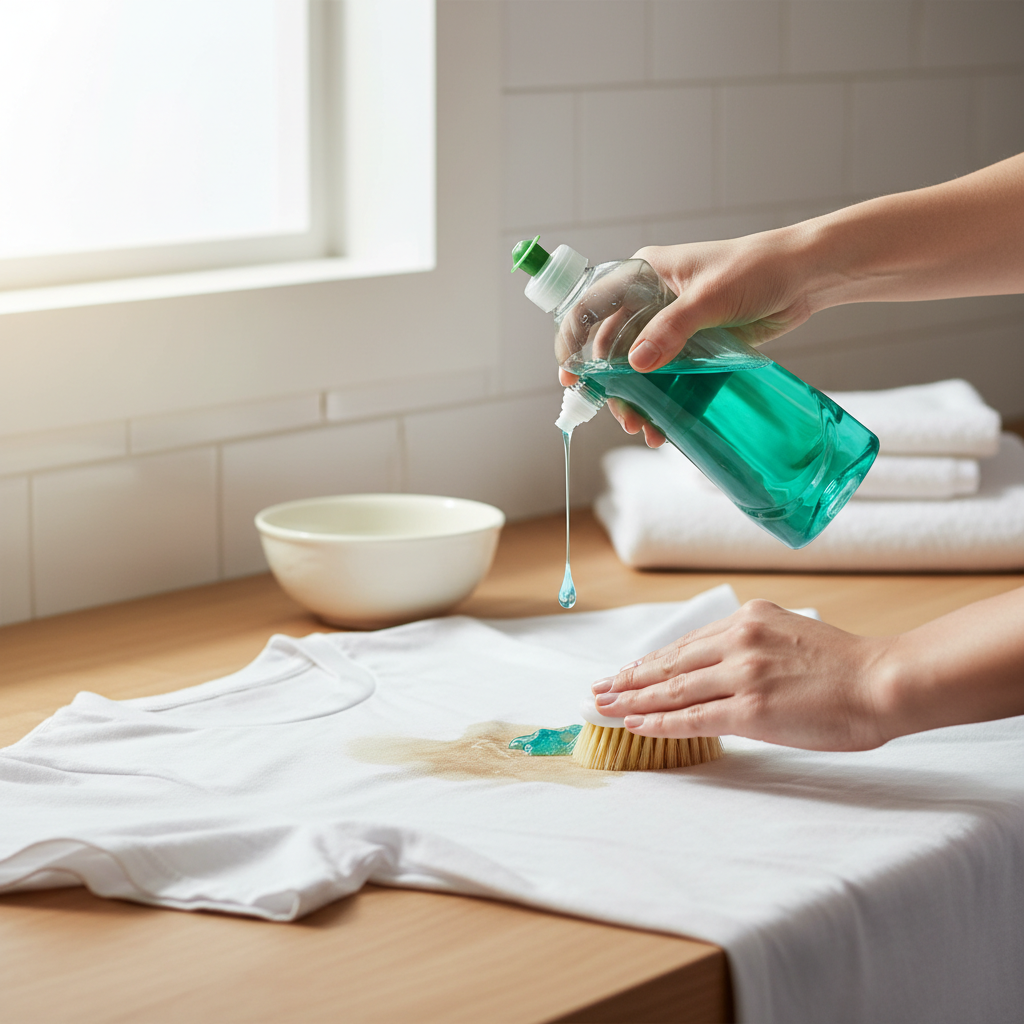
- Apply Dish Soap Sparingly: Apply a small drop (a dime to quarter-sized amount, depending on the stain size) of liquid dish soap directly onto the stain. Remember, less is often more.
- Gently Work It In: Using your fingers, a soft brush (like an old toothbrush), or a clean cloth, gently rub the dish soap into the stained area. Work in small, circular motions, ensuring the soap penetrates the fabric fibers. For tougher stains, you can rub more tenaciously, but be mindful not to damage delicate fabrics.
- Let It Sit: Allow the dish soap to sit on the stain. For minor or fresh stains, a few minutes might suffice. For more stubborn or set-in stains, let it sit for 30 minutes to an hour, or even overnight for very tough cases. Letting it soak gives the surfactants time to break down the stain.
- Rinse (Optional, for heavy application): If you applied a significant amount of dish soap, a quick rinse under cool water might be beneficial to remove excess suds before washing. However, if you used a small amount, you can often proceed directly to the washing machine.
- Wash as Normal: Place the pre-treated garment into your washing machine and wash it with your usual laundry detergent according to the fabric care instructions. Use the appropriate water temperature for the garment.
- Inspect Before Drying: This is a crucial step! Before putting the garment in the dryer, inspect the stained area carefully. If any trace of the stain remains, do not tumble dry. Heat from the dryer will set the stain permanently, making it much harder, if not impossible, to remove later. If the stain persists, air dry the garment and repeat the pre-treatment process.
DIY Stain Remover Boost: Dish Soap, Baking Soda, and Hydrogen Peroxide
For truly stubborn stains that a simple dish soap application can’t conquer, a powerful DIY paste combining dish soap with baking soda and hydrogen peroxide can be your secret weapon. This trio works synergistically to lift, brighten, and remove tough marks.
Recipe:
- 1/4 cup liquid dish soap (clear or white is best)
- 1/2 cup baking soda
- 1/4 cup 3% hydrogen peroxide
Instructions:
- Mix the ingredients in a small, non-metal bowl until a paste forms.
- Apply a small amount of this paste directly onto the stain.
- Gently work it into the fabric with your fingers or a soft brush.
- Let the paste sit on the stain for 3-5 minutes, allowing the ingredients to penetrate and break down the stain.
- Give it another light scrub.
- Rinse the area thoroughly with warm water.
- Launder the garment as usual.
Important Considerations: Hydrogen peroxide can have a brightening effect, so always spot-test this mixture on an inconspicuous area of colored fabrics first to ensure it doesn’t cause discoloration. This mixture is particularly effective on organic stains and general brightening.
Important Considerations and Warnings
While dish soap is a fantastic tool for pre-treating, there are critical guidelines to follow to ensure both your clothes and your appliances remain in top condition.
- Dish Soap is NOT Laundry Detergent: This is the most important rule. Never use dish soap as a substitute for laundry detergent in your washing machine. Dish soaps are formulated to create abundant suds to tackle grease in a sink, but this excessive foam can lead to a disastrous overflow in your washing machine, potentially damaging the machine’s mechanics and pumps. It can also leave behind a sticky, difficult-to-rinse residue on your clothes, making them stiff or dingy over time.
- Spot Test Delicate Fabrics: Before applying dish soap to an entire stained area, especially on delicate fabrics like silk, wool, or linen, always perform a spot test on an inconspicuous part of the garment (e.g., an inside seam). This ensures the fabric won’t be discolored or damaged by the soap.
- Avoid Dish Soaps with Moisturizers or Strong Dyes: As mentioned, dish soaps with added moisturizers can leave greasy spots on your laundry, while heavily dyed soaps (like bright blue or green) might transfer color to lighter fabrics, creating a new stain. Opt for clear or very lightly colored formulas.
- Don’t Overuse: A small amount of dish soap goes a long way. Using too much can make it harder to rinse out completely, potentially leading to residue on your clothes or excessive suds in a hand-washing scenario.
- Heat Sets Stains: Always check a stained garment before putting it in the dryer. If any part of the stain remains, air dry the item and repeat the pre-treatment process. Heat from the dryer will chemically bond the stain to the fabric fibers, making it permanent.
“Dish soap isn’t just about cleaning dishes; it’s about harnessing effective chemistry for a cleaner home. When used correctly, it can be a lifesaver for stained clothes, but respect its power and its purpose.”
Conclusion
The humble bottle of dishwashing liquid in your kitchen can be a surprisingly powerful weapon against a wide array of laundry stains. From greasy food splatters to everyday grime, its potent surfactant action can break down and lift stubborn marks, saving your favorite garments from an untimely demise. By understanding which types work best, applying them correctly, and adhering to crucial safety guidelines—especially the golden rule of never using it as a direct laundry detergent—you can elevate your stain removal game.
Embrace dish soap as your go-to pre-treatment hero, and you might find yourself wondering why you ever struggled with stains before. What’s your go-to dish soap for rescuing stained clothes?
Frequently Asked Questions
Is Dawn dish soap safe for all types of laundry fabrics?
Dawn dish soap is generally safe for most durable fabrics like cotton and polycotton blends when used as a pre-treatment. However, it is advisable to perform a spot test on an inconspicuous area, especially on delicate fabrics such as silk, wool, or linen, as its powerful degreasing agents might be too harsh for them.
Can I put dish soap directly into my washing machine with my clothes?
No, you should never put dish soap directly into your washing machine. Dish soap creates excessive suds that can cause your machine to overflow, damage its components, and leave a sticky residue on your clothes, making them stiff or dingy. It is meant only for targeted pre-treatment.
What kind of stains does dish soap work best on?
Dish soap is most effective on oil-based and grease stains, such as cooking oil, butter, salad dressing, makeup, and some food stains like pizza grease or chocolate. Its surfactants are specifically formulated to break down and emulsify these fatty compounds.
How long should I let dish soap sit on a stain before washing?
For most stains, letting dish soap sit for 5-15 minutes is usually sufficient. For tougher or set-in stains, you can allow it to sit for 30 minutes to an hour, or even overnight. Always check the stain before washing and avoid letting it dry out completely.
Will dish soap remove old, dried-in stains?
Dish soap can often help loosen and remove old, dried-in grease and oil stains, though it might require more soaking time and potentially a repeat application. For very stubborn dried stains, consider using the dish soap, baking soda, and hydrogen peroxide paste for an extra boost.
Can dish soap harm my washing machine?
Yes, using dish soap directly in your washing machine can harm it. The high volume of suds can clog drains, interfere with the machine’s sensors, and cause mechanical issues. It can also lead to soap scum buildup inside the drum and hoses.
What should I do if a stain doesn’t come out after pre-treating with dish soap and washing?
If a stain persists after pre-treating and washing, do not put the garment in the dryer. Air dry the item and repeat the pre-treatment process, potentially allowing the dish soap to sit longer or trying the DIY paste method. You might also consider a specialized laundry stain remover designed for that specific type of stain.