The quest for perfectly clean dishes often begins with a fundamental choice: foam or gel dishwashing liquid. Each type offers distinct advantages, catering to different preferences, cleaning challenges, and even skin sensitivities. Understanding the nuances between these two popular forms of dishwashing detergent is key to making an informed decision that best suits your household’s needs and delivers sparkling results every time.
Understanding the Different Types of Dishwashing Liquids
When we talk about dishwashing liquids, we generally refer to the detergents used for cleaning dishes, either by hand or in an automatic dishwasher. While pods and powders are common for machines, manual dishwashing primarily involves liquid detergents, which can be broadly categorized into gel and foam formats.
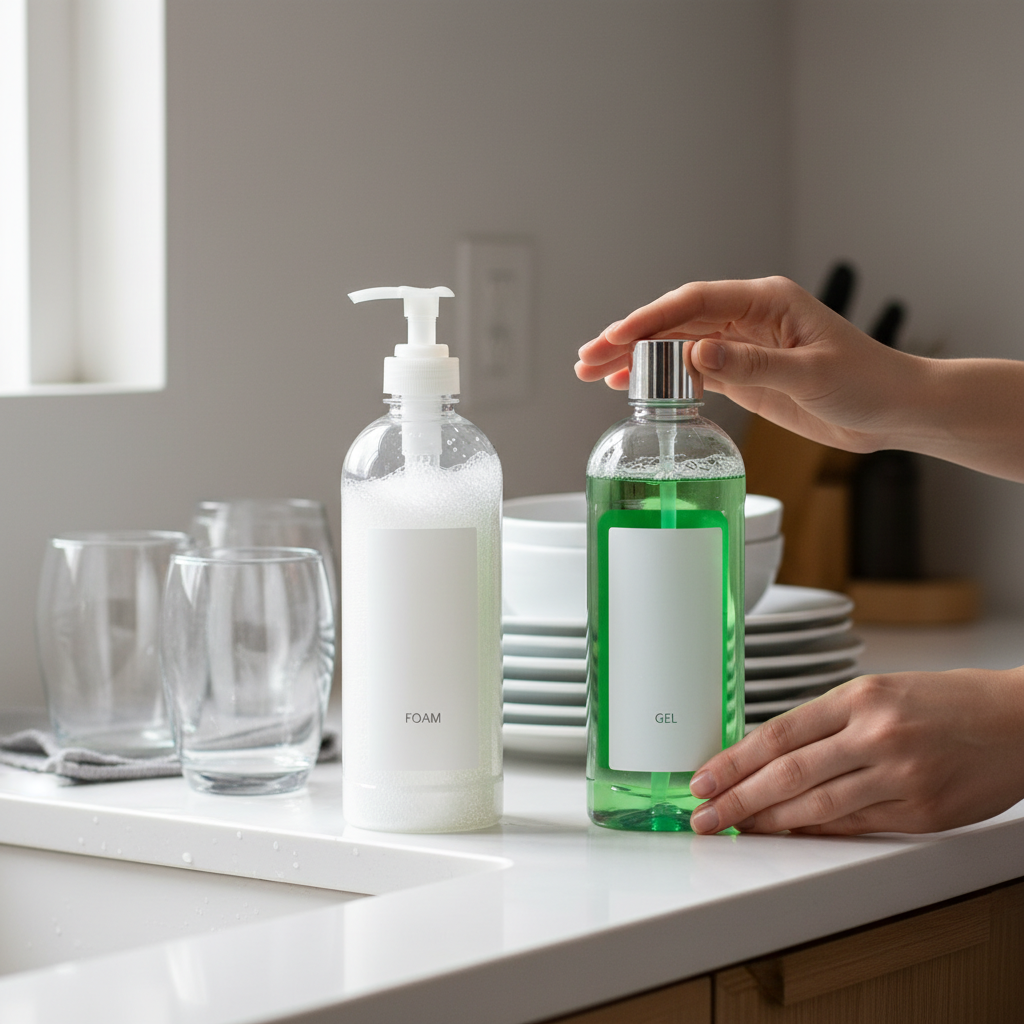
- Gel Dishwashing Liquid: This is the traditional, viscous liquid soap that most people are familiar with. It’s often highly concentrated, designed to cut through grease and grime effectively. Gel detergents form a rich, thick lather when agitated with water, providing a robust cleaning experience.
- Foam Dishwashing Liquid: This can refer to two things: a standard liquid detergent formulated to produce a significant amount of foam when diluted and agitated, or a pre-foaming dispenser that delivers the soap in a ready-to-use foam. The latter often involves a diluted liquid soap and a special pump mechanism. Foam, regardless of its origin, is known for its light, airy texture and ease of spread.
Key Ingredients in Your Dishwashing Liquid
Dishwashing liquids, whether foam or gel, are complex formulations designed to tackle food residue, grease, and dirt. While specific ingredients vary by brand and type, several core components are almost universally present.
The primary active ingredients are surfactants, or surface-active agents. These compounds reduce the surface tension of water, allowing it to mix with and lift away oils and food particles. Common surfactants include sodium laureth sulfate (SLES), sodium lauryl sulfate (SLS), and decyl glucoside. While SLES and SLS are effective foaming agents, some individuals with sensitive skin might find them irritating.
Enzymes are often added to gel dishwashing liquids, particularly those designed for automatic dishwashers, to break down stubborn food stains like starches and proteins. Thickeners, such as xanthan gum or sodium silicate, give gel detergents their characteristic viscous consistency. In foam detergents, particularly those delivered via a foaming pump, the “thickness” comes from the air mixed into a more diluted liquid, rather than added thickeners.
Other common ingredients include fragrances for a pleasant scent, dyes for visual appeal, and preservatives (like benzisothiazolinone and methylisothiazolinone) to prevent bacterial growth and extend shelf life. However, some preservatives and dyes can be irritants for sensitive skin. Ingredients to approach with caution include phosphates (harmful to aquatic ecosystems), parabens, and phthalates, which are sometimes found in conventional detergents and are best avoided for environmental and health reasons.
Foam vs. Gel Dishwashing Liquids: A Detailed Comparison
The choice between foam and gel dishwashing liquids comes down to several factors, including cleaning effectiveness, usage efficiency, impact on skin, and overall cost.
Cleaning Power and Effectiveness
|
Our Picks for the Best Dishwashing liquid in 2026
As an Amazon Associate I earn from qualifying purchases.
|
||
| Num | Product | Action |
|---|---|---|
| 1 | Ajax Ultra Liquid Dish Soap Orange Scent, Triple Action, 90 fl oz Bottle |

|
| 2 | Dawn EZ-Squeeze Ultra Dish Soap, Dishwashing Liquid, Original, Dish Soap Refill, 22 fl oz |
|
| 3 | Dawn Ultra Original Dish Soap Refill Jug, Large Size Original Blue Liquid Dishwashing Detergent, Powerful Dawn Dish Soap for Grease, 51.5 oz |
|
| 4 | Ajax Ultra Liquid Dish Soap Orange Scent,Triple Action, Mess-Free, Easy-Flip Cap, 52 fl oz Bottle |
|
| 5 | Dawn Ultra Original Dish Soap Refill Jug Large Size Original Blue Liquid Dishwashing Detergent, Powerful Dawn Dish Soap for Grease, 51.5oz (Pack of 2) |
|
| 6 | Cascade Complete Dishwasher Detergent Liquid Gel, Dish Detergent, Dishwasher Soap, Citrus, 75oz |
|
| 7 | Dawn Platinum EZ-Squeeze Dish Soap, Dishwashing Liquid, Fresh Rain, 2x18oz Bundle |
|
| 8 | Palmolive Ultra Dishwashing Liquid Dish Soap, Pure + Clear Fragrance Free - 32.5 Fluid Ounce (Packaging may vary) |
|
| 9 | Dawn Dishwashing Liquid, Original Scent, 38 fl oz |
|
| 10 | Dawn Platinum Dish Soap, Fresh Rain Scent Liquid Dishwashing Detergent, Powerful Dawn Dish Soap for Tough Grease Removal, 13 oz |
|
Gel dishwashing liquids are typically highly concentrated, allowing them to cling to tough grease and grime more effectively. Their dense formula means a small amount can go a long way in breaking down stubborn food residues, making them excellent for heavily soiled pots and pans. Gel detergents often contain powerful degreasing agents that tackle baked-on food with ease.
Foam dishwashing liquids, particularly those from foaming dispensers, offer a different approach. The pre-lathered foam spreads quickly and evenly across dishes, making them ideal for lighter loads and quick clean-ups. The foam works by encapsulating dirt and grease, making them easier to rinse away. While effective for general cleaning, highly diluted foam might require more product or effort for extremely greasy items compared to a concentrated gel.
Usage and Efficiency
Foam soap dispensers typically deliver a diluted product, meaning you use less actual soap per pump. This pre-lathered format also spreads easily, reducing the need for excessive scrubbing to build suds and potentially cutting down on overall water usage during rinsing. It’s often perceived as less messy due to its ready-to-use form and reduced dripping. “Foam soap is more effective in the long term, yielding more washes per case due to less product being dispensed per use.”
Conversely, gel dishwashing liquid offers versatility in dosing. You can precisely control the amount, adding more for heavy-duty cleaning or less for lighter tasks. However, this flexibility also carries the risk of over-pouring, leading to wasted product or excessive suds that require more rinsing. While a small amount is potent, the concentrated nature means over-application can happen easily.
Skin Sensitivity
For individuals with sensitive skin, the choice between foam and gel can be significant. Foam dishwashing liquids are often diluted, making them inherently gentler on hands. The lighter texture and quicker rinsing can also minimize skin exposure to detergents, reducing the likelihood of dryness or irritation. Many foam options are specifically formulated with moisturizing agents or mild, plant-based ingredients.
Gel dishwashing liquids, being more concentrated, can be harsher on bare hands, especially with prolonged exposure. The powerful degreasing agents that break down food grease can also strip natural oils from your skin, leading to dryness or irritation. If you prefer gel, wearing gloves is a good practice, or opting for gel formulas specifically labeled “gentle on hands” or “hypoallergenic” can make a difference.
Cost-Effectiveness
The initial cost of a foam dish soap dispenser might be slightly higher than a bottle of gel. However, because foam soap is often dispensed in a diluted form, users tend to consume less product per wash, making refills last longer. Over time, this can translate into significant cost savings.
Gel dishwashing liquid typically has a lower upfront purchase price. While a concentrated gel can be cost-effective if used sparingly, the tendency to over-pour can negate these savings. The actual cost-effectiveness depends heavily on mindful usage and the specific price per volume.
Environmental Impact
Both foam and gel dishwashing liquids have environmental considerations. Many modern brands offer eco-friendly versions of both, focusing on biodegradable ingredients, plant-based formulas, and recyclable packaging.
Foam soaps can contribute to water conservation because they rinse off more quickly. However, the manufacturing process for some pre-foaming dispensers might involve more plastic. Gel detergents that are highly concentrated require less packaging per wash, and selecting formulas free from phosphates and other harmful chemicals is crucial for protecting waterways.
Comparison Table: Foam vs. Gel Dishwashing Liquid
| Feature | Foam Dishwashing Liquid | Gel Dishwashing Liquid |
|---|---|---|
| Consistency | Light, airy, pre-lathered or easily foamed | Thick, viscous liquid |
| Cleaning Power | Good for general grime, quick clean-ups | Excellent for tough grease, baked-on food, concentrated |
| Usage Efficiency | Less product per pump, quick lathering, less rinsing | Flexible dosing, risk of over-pouring, can be messy |
| Skin Impact | Often gentler due to dilution, less contact | Can be harsher on hands, potential for dryness |
| Cost | Higher initial dispenser cost, lower long-term refill cost | Lower initial purchase, higher long-term cost if over-used |
| Environmental | Less water usage, watch for dispenser materials | Concentrated (less packaging), check ingredients for eco-friendliness |
| Ideal For | Light loads, quick washes, sensitive hands | Heavy-duty cleaning, stubborn stains, versatile use |
Choosing the Right Dishwashing Liquid for Your Needs
Selecting between foam and gel dishwashing liquid depends largely on your specific priorities and cleaning habits.
If you frequently deal with light to medium soiled dishes, appreciate convenience, and prioritize gentleness on your hands, foam dishwashing liquid might be your ideal choice. It’s particularly good for households with children who do dishes or individuals with sensitive skin.
For those who regularly tackle heavily greased pots, pans, and stubborn food residues, gel dishwashing liquid offers unparalleled cleaning power. Its concentrated formula allows for targeted application and effective breakdown of tough messes. If you opt for gel, consider pairing it with dishwashing gloves to protect your hands, or choose a formula enriched with skin-conditioning agents.
Consider also the type of dishwashing you do most often. For manual washing, both are viable, but their properties influence the experience. For automatic dishwashers, gel is a common and effective option, often formulated for specific machine requirements to prevent excessive sudsing.
Tips for Effective Dishwashing Liquid Usage
Regardless of whether you choose foam or gel, proper usage is essential for maximizing cleaning effectiveness, conserving resources, and protecting your hands.
- Scrape Before You Wash: Always scrape off excess food particles into the trash or compost before washing. This reduces the amount of detergent needed and prevents drains from clogging.
- Use the Right Amount: With gel, resist the urge to over-pour. A small amount of concentrated gel is often sufficient for a sink full of dishes. For foam, one or two pumps are usually enough. Over-sudsing doesn’t necessarily mean better cleaning and can make rinsing more difficult.
- Dilute (for Gels): If you’re using a concentrated gel for handwashing, a common practice is to dispense a small amount into a basin and fill it with hot water, creating suds as you go. This helps distribute the soap evenly and can reduce its direct contact with your skin.
- Target Tough Spots: For baked-on food or heavily greasy items, a direct application of gel dishwashing liquid, allowed to soak for a few minutes, can work wonders before scrubbing.
- Rinse Thoroughly: Always rinse your dishes completely to remove all soap residue. Leftover detergent can leave streaks or affect the taste of food.
- Protect Your Hands: Even with gentle formulas, prolonged exposure to dishwashing liquid can be drying. Wearing waterproof gloves is highly recommended for all manual dishwashing tasks.
- Store Properly: Keep dishwashing liquids in their original containers, in a cool, dry place, away from direct sunlight and out of reach of children.
“The secret to sparkling dishes isn’t just the detergent itself, but understanding how to make it work best for you and your family’s daily rhythm.”
Conclusion
The choice between foam and gel dishwashing liquid isn’t about one being inherently superior, but rather about aligning the product with your specific cleaning demands and personal preferences. Foam offers a gentle, efficient option for everyday messes and sensitive hands, promoting water and product conservation. Gel, with its concentrated power, stands ready to tackle the toughest grease and grime, providing versatile strength for challenging cleaning tasks. By considering factors like cleaning power, skin impact, and cost-effectiveness, you can confidently select the dishwashing liquid that will transform your dishwashing routine into a more effective and enjoyable experience, leaving you with nothing but gleaming, clean dishes.
What’s your preferred dishwashing liquid format, and why does it work best for your home?
Frequently Asked Questions
Is foam dishwashing liquid more eco-friendly than gel?
Foam dishwashing liquid can be more eco-friendly due to reduced water usage for rinsing and less product consumption per wash, making refills last longer. However, the overall environmental impact also depends on the ingredients and packaging of the specific product.
Can I use gel dishwashing liquid in a foaming dispenser?
Yes, you can often dilute a concentrated gel dishwashing liquid with water (typically a 1:3 or 1:4 soap-to-water ratio) and use it in a foaming dispenser. This allows you to create your own foam soap, though it’s important to use distilled water and consume it relatively quickly to prevent bacterial growth.
Which type of dishwashing liquid is better for removing tough grease?
Gel dishwashing liquid, being more concentrated, is generally better for removing tough grease and baked-on food. Its thicker consistency allows it to cling to stubborn messes, providing a more potent cleaning action.
Is foam dishwashing liquid suitable for automatic dishwashers?
No, foam dishwashing liquid designed for manual dishwashing is typically not suitable for automatic dishwashers. Dishwashers require low-foaming detergents specifically formulated to work within the machine’s mechanics, as excessive suds can cause overflow and damage.
How can I make my dishwashing liquid gentler on my hands?
To make your dishwashing liquid gentler, regardless of type, consider wearing dishwashing gloves. If using gel, choose formulas explicitly designed for sensitive skin or dilute a small amount in water before use. For foam, select products with moisturizing ingredients.