The journey towards a more sustainable lifestyle often begins with small, conscious changes in our daily routines. One area ripe for eco-friendly innovation is our kitchen and bathroom. For too long, single-use plastic bottles for dish soap and hand soap have dominated our shelves, contributing to a monumental waste problem. Every year, millions of plastic bottles end up in landfills or polluting our oceans, taking hundreds of years to decompose. But what if there was a simple, elegant, and effective solution that not only reduced your environmental footprint but also enhanced your home’s aesthetic? Enter the glass bottle and soap refill starter kit, a game-changer designed to tackle plastic waste head-on while offering a superior, long-lasting experience.
Embracing Sustainability: Why Glass Bottle and Soap Refill Kits Are Essential
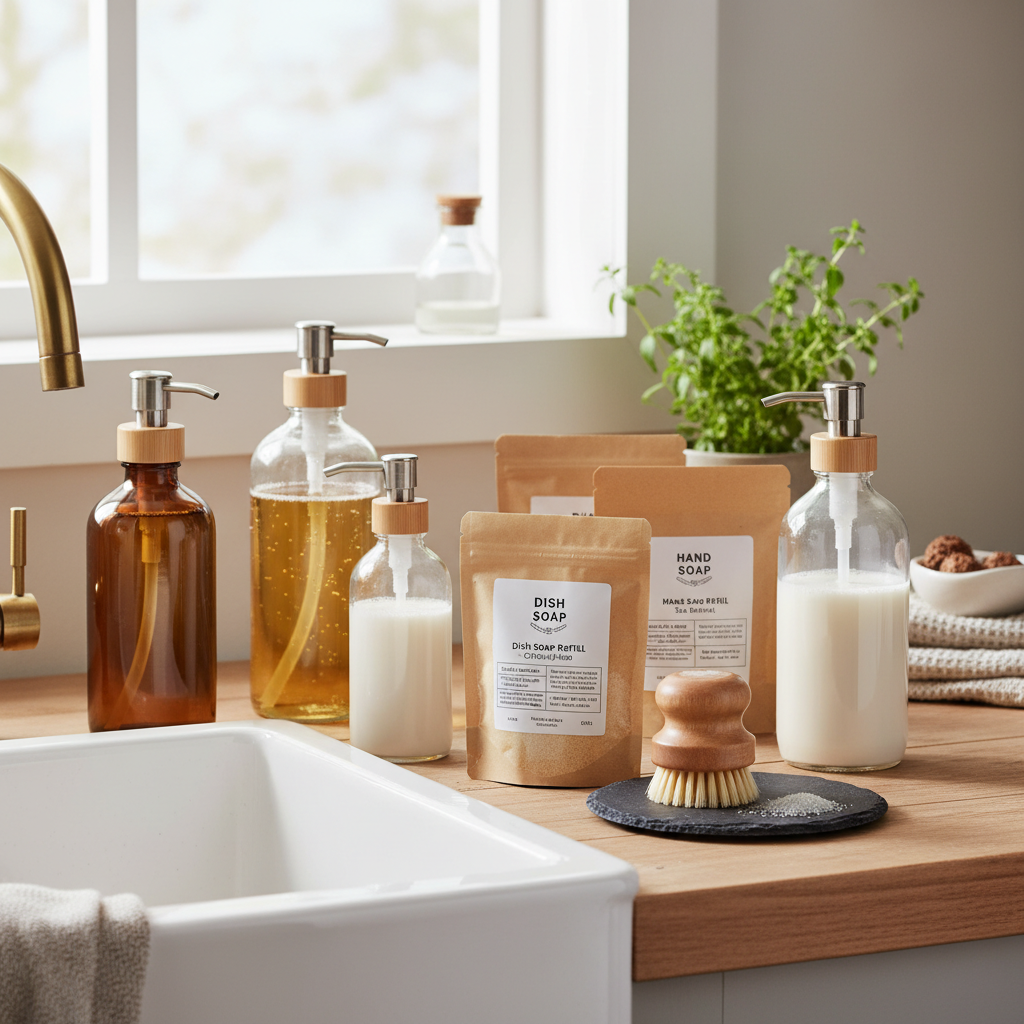
Glass bottle and soap refill starter kits represent a significant step forward in sustainable living, offering a practical alternative to the endless cycle of plastic consumption. These kits typically include a durable, reusable glass dispenser bottle and concentrated soap refills, often in tablet, powder, or pouch form. The primary benefit is a drastic reduction in plastic waste, as you only repurchase the soap concentrate, not an entire new bottle. This not only lightens the load on landfills but also minimizes the energy and resources required for manufacturing new plastic.
Beyond the environmental impact, these systems often come with financial advantages in the long run. While the initial investment in a quality glass bottle might be slightly higher, the cost per use of refill concentrates is typically lower than continually buying new pre-filled plastic bottles. Furthermore, many eco-friendly soap refills are formulated with gentler, plant-based ingredients, making them better for your skin and the planet. They are designed for efficient cleaning without harsh chemicals, contributing to a healthier home environment.
Key Features to Consider: Choosing Your Ideal Refill System
When venturing into the world of glass bottle and soap refill kits, understanding the core components and what to look for is crucial. The quality of the glass bottle itself is paramount; opt for thick, durable glass that can withstand daily use and accidental bumps. Features like a non-slip base or a protective silicone sleeve can add extra longevity and stability. The pump mechanism is another vital element. A high-quality, corrosion-resistant pump ensures smooth dispensing and prevents leaks, contributing to a frustration-free experience.
Consider the type of soap refill offered. Concentrated liquid refills are popular, often coming in recyclable pouches or small bottles. Dissolvable tablets or powders, which you mix with water directly in your glass bottle, are another increasingly popular option, minimizing shipping weight and packaging. Carefully examine the ingredient list of the soap. Many eco-conscious brands prioritize plant-derived, biodegradable ingredients, free from parabens, phthalates, synthetic fragrances, and harsh sulfates. Unscented options are great for sensitive skin, while natural essential oil blends can provide a delightful, subtle aroma.
Top Contenders: A Review of Leading Glass Bottle and Soap Refill Brands
The market for sustainable home goods is rapidly expanding, with several brands leading the charge in offering excellent glass bottle and soap refill starter kits. These brands differentiate themselves through their commitment to eco-friendly formulations, innovative refill methods, and stylish designs. Understanding their unique offerings can help you choose the best fit for your home.
Brands like EcoCleanse are celebrated for their elegantly designed amber glass bottles and highly effective concentrated liquid refills, often infused with natural essential oils. Their focus is on both aesthetics and powerful cleaning performance. PureCycle offers a unique tablet-based refill system, where you simply drop a tablet into water in their sleek, minimalist clear glass bottles, reducing plastic waste to an absolute minimum. GreenEssentials targets the budget-conscious consumer, providing sturdy, functional glass bottles paired with robust, value-packed soap concentrate pouches that deliver excellent cleaning power. Each brand aims to make the sustainable switch as convenient and appealing as possible, proving that eco-friendliness doesn’t mean compromising on quality or style.
Comparison Table: Leading Glass Bottle and Soap Refill Kits
|
Our Picks for the Best Dishwashing liquid in 2026
As an Amazon Associate I earn from qualifying purchases.
|
||
| Num | Product | Action |
|---|---|---|
| 1 | Dawn Ultra Original Dish Soap Refill Jug, Large Size Original Blue Liquid Dishwashing Detergent, Powerful Dawn Dish Soap for Grease, 51.5 oz |

|
| 2 | Dawn Platinum Dish Soap, Fresh Rain Scent Liquid Dishwashing Detergent, Powerful Dawn Dish Soap for Tough Grease Removal, 13 oz |
|
| 3 | Ajax Ultra Liquid Dish Soap Orange Scent,Triple Action, Mess-Free, Easy-Flip Cap, 52 fl oz Bottle |
|
| 4 | Dawn EZ-Squeeze Ultra Dish Soap, Dishwashing Liquid, Original, Dish Soap Refill, 22 fl oz |
|
| 5 | Cascade Complete Dishwasher Detergent Liquid Gel, Dish Detergent, Dishwasher Soap, Citrus, 75oz |
|
| 6 | Dawn Dishwashing Liquid, Original Scent, 38 fl oz |
|
| 7 | Palmolive Ultra Dishwashing Liquid Dish Soap, Pure + Clear Fragrance Free - 32.5 Fluid Ounce (Packaging may vary) |
|
| 8 | Ajax Ultra Liquid Dish Soap Orange Scent, Triple Action, 90 fl oz Bottle |
|
| 9 | Dawn Ultra Original Dish Soap Refill Jug Large Size Original Blue Liquid Dishwashing Detergent, Powerful Dawn Dish Soap for Grease, 51.5oz (Pack of 2) |
|
| 10 | Dawn Platinum EZ-Squeeze Dish Soap, Dishwashing Liquid, Fresh Rain, 2x18oz Bundle |
|
| Brand Name | Bottle Material & Design | Refill Type | Key Benefits | Considerations | Price Range (Starter Kit) |
|---|---|---|---|---|---|
| EcoCleanse | Amber Glass, Elegant | Liquid Concentrate | Aesthetic appeal, strong cleaning, natural scents | Higher initial cost | $$ |
| PureCycle | Clear Glass, Minimalist | Dissolvable Tablets | Zero-waste refill, lightweight shipping | Requires adding water, fewer scent options | $$ |
| GreenEssentials | Clear Glass, Functional | Pouch Concentrate | Budget-friendly, effective cleaning | Simpler design, less emphasis on aesthetics | $ |
Your Sustainable Switch: A Buyer’s Guide to Glass Bottle and Soap Refill Kits
Making the transition to a glass bottle and soap refill system is a smart choice for the planet and your wallet. To ensure you pick the perfect kit, consider a few key factors. First, evaluate your usage needs. For high-traffic areas like the kitchen sink, a more robust and perhaps larger glass bottle with a strong pump might be ideal. For bathrooms, a smaller, more aesthetically pleasing bottle could be preferred. Next, think about skin sensitivity. If you or family members have sensitive skin, prioritize kits with hypoallergenic, fragrance-free, or naturally scented soap refills.
Budget is always a consideration. While some premium kits have a higher upfront cost due to designer bottles or specialized formulations, many affordable options provide excellent value. Compare the cost per refill to understand the long-term savings. Finally, consider the aesthetic you want to achieve. Glass bottles come in various colors and designs – amber, clear, frosted, or textured – allowing you to choose one that complements your home decor. Reading reviews can also provide valuable insights into pump durability and soap effectiveness from real users.
“Switching to refillable systems for everyday products like dish soap isn’t just a trend; it’s a necessary evolution in how we consume, reducing waste and fostering a healthier planet for future generations.” – Dr. Elena Petrova, Environmental Science Researcher
Maximizing Your Eco-Friendly Choice: Tips for Using and Maintaining Your Kit
Once you’ve invested in a glass bottle and soap refill starter kit, a few simple practices can help you get the most out of your sustainable choice. When it’s time to refill, always clean your glass bottle thoroughly. Rinse it with warm water, and for a deeper clean, use a bottle brush with a bit of soap to remove any residue, then dry completely before adding your new soap concentrate and water (if applicable). This prevents bacterial buildup and ensures the integrity of your soap formula.
To use your soap efficiently, remember that concentrated formulas often require less product. Start with a smaller amount than you might typically use from a conventional bottle, and adjust as needed. For stubborn grease on dishes, a concentrated eco-friendly dish soap can often cut through it just as effectively, if not more so, than traditional detergents. Proper storage of your refill concentrates is also important; keep them in a cool, dry place away from direct sunlight to maintain their efficacy. By following these simple tips, your glass bottle and soap refill system will serve you well for years, making your eco-friendly commitment a seamless part of your daily routine.
Conclusion
Embracing a glass bottle and soap refill starter kit is a significant step towards a more sustainable and conscious lifestyle. By choosing to reduce single-use plastics, you contribute directly to mitigating environmental pollution while often enjoying superior product quality and aesthetic appeal in your home. These kits offer a harmonious blend of functionality, design, and ecological responsibility, proving that everyday choices can indeed make a global impact. It’s a simple yet powerful way to transform your home into a greener sanctuary. Are you ready to make the switch and discover the lasting benefits of a refillable future?
Frequently Asked Questions
Are glass bottles durable enough for daily kitchen use?
Yes, most glass bottles in starter kits are designed with durability in mind, often made from thick, robust glass to withstand the rigors of daily kitchen and bathroom use. Some even include protective silicone sleeves for added grip and shatter resistance.
Is the soap refill as effective as conventional dish soap?
Absolutely. Many eco-friendly soap refills are formulated with powerful, plant-based surfactants and cleaning agents that are highly effective at cutting through grease and grime, often performing on par with or even exceeding conventional dish soaps.
How do I clean my glass bottle before refilling?
It’s recommended to rinse your glass bottle thoroughly with warm water, and periodically use a bottle brush with a small amount of soap to remove any residue. Ensure the bottle is completely dry before adding your new soap concentrate and water to prevent dilution or contamination.
What ingredients should I look for or avoid in soap refills?
Look for refills with plant-derived, biodegradable ingredients. Many sustainable brands proudly list their ingredients and certifications. It’s generally advisable to avoid harsh chemicals like parabens, phthalates, triclosan, synthetic dyes, and strong artificial fragrances, especially if you have sensitive skin or environmental concerns.
Can I use any soap refill with any glass bottle kit?
While some brands offer universal refills, it’s generally best to stick with the refill system designed for your specific glass bottle to ensure compatibility and optimal performance, especially for dissolving tablets or concentrated liquids that require specific dilution ratios.