In a world increasingly conscious of environmental impact, Kinfill has emerged as a frontrunner in the sustainable home care market, promising a blend of eco-conscious formulations and captivating design. Their biodegradable dish soap concentrates aim to transform a mundane chore into an elevated experience, but do they truly deliver on their lofty promises? As an admin with over a decade of hands-on experience in dishwashing liquids, I’ve dived deep into Kinfill’s offering to provide an unfiltered assessment. This review will explore every facet of Kinfill Dish Soap, from its ecological footprint to its cleaning prowess and overall value, helping you decide if this premium option deserves a spot in your kitchen.
The Kinfill Philosophy: Sustainability Meets Elegant Design
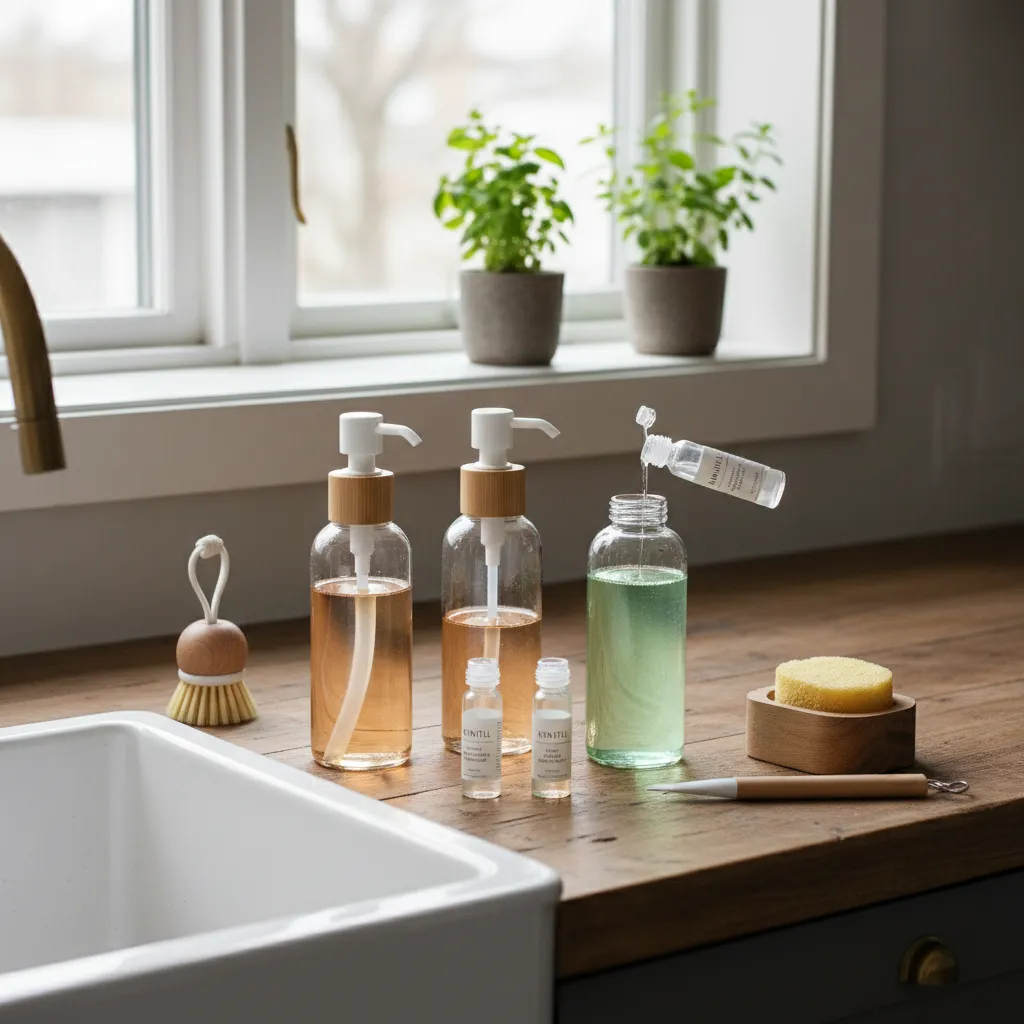
Kinfill positions itself at the intersection of sustainability and aesthetics. The brand’s core mission revolves around reducing single-use plastic waste through its innovative refill system. Instead of constantly buying new plastic bottles, users invest in beautifully designed, durable “Forever Bottles” – often made of glass or aluminum – which are then replenished with highly concentrated refills. This commitment extends beyond packaging to the formulations themselves, which are proudly vegan, cruelty-free, and palm-oil free, often carrying the EU Ecolabel certification. The visual appeal of Kinfill products is undeniable, frequently lauded for their minimalistic and contemporary design that seamlessly integrates into modern homes. This focus on both form and function is a significant part of Kinfill’s allure, appealing to consumers who seek both effectiveness and an elevated everyday experience.
Unpacking the Formula: Biodegradable Concentrates in Action
At the heart of Kinfill’s offering is its concentrated dish soap formula. Unlike many conventional dish liquids that are largely water, Kinfill provides a potent concentrate designed for dilution. The brand asserts that “a tiny bit goes a long way,” typically recommending just one pump for a full sink of lukewarm water. This concentration not only minimizes packaging but also aims to offer a long-lasting product, maximizing efficiency and reducing the frequency of purchases.
When it comes to cleaning power, Kinfill Dish Soap is formulated to be “cruel on grime” yet “gentle on your hands.” It effectively tackles stuck-on food and grease, leaving dishes sparkling clean without the harsh, drying effects often associated with conventional soaps. The brand prides itself on being free from a long list of potentially harmful ingredients, including Aluminium, Formaldehyde, Phthalate, Mineral Oils, Paraben, Silicone, Sodium Lauryl Sulphate (SLS), Sulphate, Toluene, and traditional soap.
However, the definition of “clean” in the beauty and home care industry can be a nuanced topic. While Kinfill avoids many problematic chemicals, some consumers have raised concerns regarding the generic “Fragrance/Parfum” listing in their ingredients. This term can legally encompass numerous undisclosed chemicals, leading to a lack of transparency for those with sensitivities. Additionally, the presence of isothiazolinone preservatives, while effective, has been noted by some as a potential sensitizer over prolonged use. It’s a reminder that even brands striving for sustainability face challenges in balancing efficacy, consumer safety, and complete ingredient transparency.
A Symphony of Scents: Experience and Aroma
One of Kinfill’s most frequently praised attributes is its unique and sophisticated scent profiles. Moving beyond generic lemon or apple, Kinfill offers a range of elevated fragrances like Lemon & Basil, Wild Peony, Menthe & Charcoal, Tangerine, and Santal & Cedar. Many users rave about these aromas, describing them as luxurious, exquisite, and a significant improvement over mass-market cleaning product scents. They contribute to the overall “elevated experience” of using Kinfill products, making the act of dishwashing more pleasant.
However, scent perception is highly subjective. While many adore the fragrances, some reviewers have found certain scents to be “too strong” or simply “meh,” suggesting that personal preference plays a crucial role. For individuals sensitive to strong perfumes, even naturally derived ones, a patch test or a cautious approach to new scents might be advisable. Despite this, the general consensus leans heavily towards appreciation for Kinfill’s distinctive aromatic offerings.
Eco-Friendly or Eco-Expensive? Cost and Accessibility
The premium nature of Kinfill products often comes with a higher price tag compared to conventional dish soaps. While the concentrated formula means a single bottle lasts longer, the initial investment for the “Forever Bottle” and refills can be substantial. Delivery charges are another point of contention for some customers, with a few finding them “exorbitant.” This pricing strategy positions Kinfill as a niche product, often seen as an indulgence for those prioritizing design and sustainability over budget constraints.
The long-term value, however, is a key consideration. By reducing the need for frequent repurchases of plastic bottles, Kinfill argues that its system offers a more sustainable and potentially cost-effective solution over time, particularly for those committed to the refill model. Yet, the upfront cost and perception of exclusivity mean it’s not yet an accessible option for every household looking to make eco-friendly swaps.
Real User Experiences: The Verdict on Kinfill
Customer feedback for Kinfill, particularly concerning its dish soap, paints a picture of a brand with many strengths but also some areas for improvement. Users consistently praise the product’s effectiveness in cleaning, its gentleness on hands, and the appealing design of its bottles. Many highlight the brand’s commitment to the zero-waste concept as a significant draw.
However, the brand’s customer service and delivery experience receive mixed reviews. While some customers report excellent support, with quick responses and resolutions for issues like damaged bottles, others describe long delays in shipping, unanswered emails, and difficulties with subscription cancellations. Complaints about being “roped into” minimum three-month contracts, despite website claims of being able to “cancel anytime,” are also recurring. This inconsistency in customer relations, alongside occasional reports of damaged packaging upon arrival, suggests that while the product itself is generally well-regarded, the operational aspects sometimes fall short.
| Feature | Kinfill Dish Soap | Standard Dish Soap |
|---|---|---|
| Environmental Impact | Biodegradable, refillable, zero-waste, plastic-free | Often non-biodegradable, single-use plastic bottles |
| Concentration | Highly concentrated (1 pump per full sink) | Lower concentrate (more product needed) |
| Ingredients | Free from harsh chemicals, palm-oil free | May contain phosphates, parabens, SLS, artificial dyes |
| Gentleness on Hands | Designed to be gentle, non-drying | Can be drying for some skin types |
| Initial Price | Premium, higher upfront cost (bottle + refill) | Generally affordable, lower upfront cost |
| Long-Term Value | Cost-effective with refills, reduced waste | Frequent repurchases, more waste |
| Scent Profiles | Unique, elevated, often naturally derived | Common, often synthetic fragrances |
How to Make the Most of Your Kinfill Dish Soap
To fully appreciate Kinfill Dish Soap and maximize its benefits, here are some tips:
- Dilute Correctly: Stick to the recommended “one pump for a full sink” guideline to ensure optimal cleaning power and product longevity. Over-diluting may reduce effectiveness, while using too much wastes the concentrate.
- Pre-Scrape Dishes: For heavily soiled items, a quick scrape of food scraps before washing will help the soap work more efficiently.
- Rinse Thoroughly: While gentle, ensure all soap residue is rinsed away to prevent streaks or a soapy taste, particularly on glassware.
- Care for Your Forever Bottle: The elegant bottles are designed for reuse. Clean and dry them periodically before refilling to maintain hygiene and appearance.
- Consider Scent Samples: If available, try smaller samples or bundles to discover which Kinfill scents you prefer before committing to larger refills.
Conclusion
Kinfill Dish Soap with its biodegradable concentrates presents a compelling option for those seeking a sustainable, high-performance, and aesthetically pleasing alternative to conventional dishwashing liquids. Its eco-friendly mission, concentrated formula, and exquisite scents are definite highlights, making daily chores feel less like a burden and more like a mindful act. While the premium price point and occasional inconsistencies in customer service might be deterrents for some, the overall value proposition of reducing waste and enjoying a superior product experience is strong. If you prioritize environmental responsibility, appreciate elegant design, and are willing to invest in a long-term solution, Kinfill Dish Soap is certainly worth exploring. Will Kinfill’s blend of sustainability and style redefine your kitchen routine?
Frequently Asked Questions
Is Kinfill Dish Soap truly biodegradable?
|
Our Picks for the Best Dishwashing liquid in 2026
As an Amazon Associate I earn from qualifying purchases.
|
||
| Num | Product | Action |
|---|---|---|
| 1 | Ajax Ultra Liquid Dish Soap Orange Scent, Triple Action, 90 fl oz Bottle |

|
| 2 | Cascade Complete Dishwasher Detergent Liquid Gel, Dish Detergent, Dishwasher Soap, Citrus, 75oz |
|
| 3 | Dawn Platinum Dish Soap, Fresh Rain Scent Liquid Dishwashing Detergent, Powerful Dawn Dish Soap for Tough Grease Removal, 13 oz |
|
| 4 | Dawn EZ-Squeeze Ultra Dish Soap, Dishwashing Liquid, Original, Dish Soap Refill, 22 fl oz |
|
| 5 | Dawn Ultra Original Dish Soap Refill Jug, Large Size Original Blue Liquid Dishwashing Detergent, Powerful Dawn Dish Soap for Grease, 51.5 oz |
|
| 6 | Dawn Dishwashing Liquid, Original Scent, 38 fl oz |
|
| 7 | Ajax Ultra Liquid Dish Soap Orange Scent,Triple Action, Mess-Free, Easy-Flip Cap, 52 fl oz Bottle |
|
| 8 | Palmolive Ultra Dishwashing Liquid Dish Soap, Pure + Clear Fragrance Free - 32.5 Fluid Ounce (Packaging may vary) |
|
| 9 | Dawn Ultra Original Dish Soap Refill Jug Large Size Original Blue Liquid Dishwashing Detergent, Powerful Dawn Dish Soap for Grease, 51.5oz (Pack of 2) |
|
| 10 | Dawn Platinum EZ-Squeeze Dish Soap, Dishwashing Liquid, Fresh Rain, 2x18oz Bundle |
|
Yes, Kinfill Dish Soap is formulated with biodegradable ingredients, meaning its components can naturally break down in the environment, minimizing ecological impact. The brand also carries the EU Ecolabel, further supporting its environmental claims.
How much Kinfill Dish Soap should I use per wash?
Kinfill Dish Soap is highly concentrated. The brand recommends using just one pump of the dish soap concentrate for a full sink of lukewarm water to effectively clean your dishes.
Can Kinfill Dish Soap be used for sensitive skin?
Kinfill Dish Soap is specifically designed to be gentle on hands and is free from many harsh chemicals found in conventional soaps, which can contribute to dry or irritated skin. However, individuals with very sensitive skin or allergies should review the full ingredient list, particularly regarding fragrances and preservatives.
What makes Kinfill’s packaging sustainable?
Kinfill utilizes “Forever Bottles” made from durable glass or aluminum, designed for unlimited reuse. Refills come in concentrated form, often in small, recyclable vials or cartons, significantly reducing single-use plastic waste compared to traditional dish soap bottles.