Few things are as frustrating as peeling off a label only to be left with a stubbornly sticky, unsightly glue residue. Whether it’s a new glass jar, a plastic container, or even a piece of furniture, that gummy mess can feel impossible to conquer. But before you reach for harsh chemicals, consider a powerful, yet gentle, solution likely sitting in your kitchen sink: dish soap. With over a decade of hands-on experience in household cleaning products, I’ve seen firsthand how the right dish soap can transform this common annoyance into a simple task. This guide will delve into why dish soap is an unsung hero for adhesive removal, highlight the best types to use, and provide step-by-step instructions to leave your surfaces clean and residue-free.
Why Dish Soap is Your Go-To for Glue Removal
Dish soap is surprisingly effective at tackling sticky label residue, and its power lies in its unique formulation. Primarily designed to cut through grease and oil on dishes, its degreasing properties are precisely what make it a formidable opponent against adhesive. Most label glues have an oily or fatty base, which dish soap’s surfactants latch onto and break down. This action loosens the bond between the glue and the surface, allowing the residue to be wiped away easily.
Beyond its efficacy, dish soap offers several compelling advantages. It’s gentle on most surfaces, unlike abrasive scrubbers or strong chemical solvents that can damage finishes or strip paint. It’s also incredibly affordable and readily available in nearly every household. This combination of effectiveness, safety, and accessibility makes dish soap an ideal first line of defense against sticky messes, saving you from expensive specialty removers and potential surface damage.
Top Dish Soaps Recommended for Label Residue
While most dish soaps contain degreasing agents, some excel more than others when it comes to breaking down stubborn adhesives. The key is to look for formulas explicitly designed for “grease-cutting.”
- Dawn Dish Soap: This brand is frequently cited as a top performer, particularly its original blue formula and the newer Dawn Powerwash spray. Dawn’s strong degreasing agents make it highly effective at dissolving sticky glues. Powerwash offers the added convenience of a direct spray application, often requiring less scrubbing.
- Palmolive Dish Soap: Another well-known brand, Palmolive, especially its “Ultra Strength” or “Concentrated” varieties, also boasts excellent grease-cutting capabilities that translate well to adhesive removal.
- Other Grease-Cutting Dishwashing Liquids: Generally, any dishwashing liquid marketed for its superior grease-fighting power will likely be effective. The more concentrated the formula, the better its chances of breaking down tough residue.
The common thread among these recommendations is their ability to emulsify oils and fats, which are the primary components of most label adhesives. Choosing a quality, grease-cutting dish soap will significantly enhance your success in removing sticky residue.
Step-by-Step Guide: Using Dish Soap to Remove Label Glue
Removing label residue with dish soap is a straightforward process that requires a few simple steps and a bit of patience.
-
Gather Your Supplies:
- Grease-cutting dish soap (e.g., Dawn, Palmolive)
- Warm water
- Microfiber cloths or soft sponges
- Plastic scraper, old credit card, or fingernail (for lifting edges)
- Optional: Hair dryer or heat gun
- Optional: Isopropyl alcohol for final cleanup
-
Pre-treat with Heat (Optional but Recommended): For larger, older, or particularly stubborn labels, applying heat can significantly loosen the adhesive, making removal much easier. Use a hair dryer on a low setting, holding it 6-8 inches away from the label and moving it back and forth for 30-60 seconds. Avoid overheating, especially on plastics or painted surfaces.
-
Prepare a Dish Soap Solution: In a bowl or spray bottle, mix 1-2 tablespoons of dish soap with 2 cups of warm water. The warmth of the water helps activate the soap’s degreasing properties and further aids in breaking down the adhesive.
-
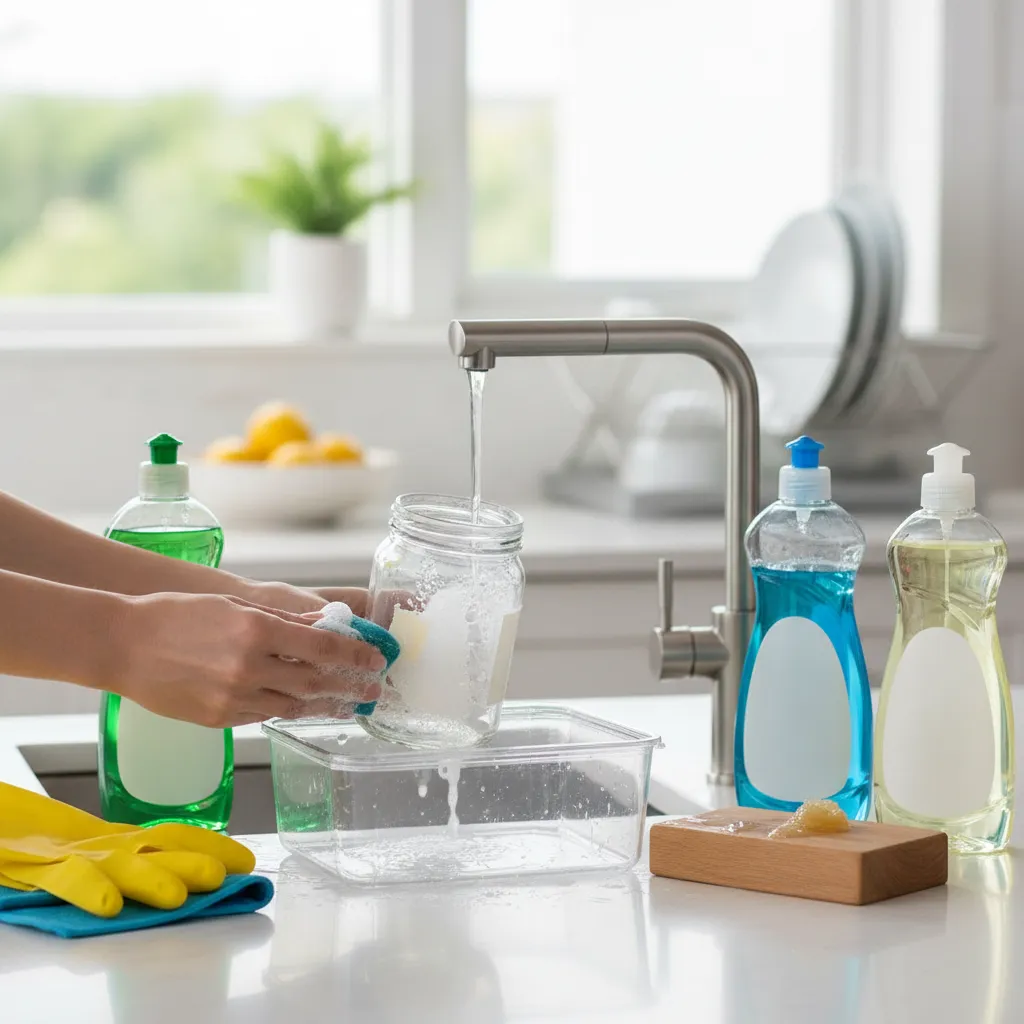
Apply and Soak: For items like glass jars, you can simply fill them with hot soapy water and let them soak for several minutes or even hours for very stubborn glue. For flat surfaces or items that cannot be soaked, spray or dab the soapy solution directly onto the remaining sticky residue. Let it sit for 5-15 minutes to allow the soap to penetrate and soften the glue.
-
Gently Scrub Away Residue: After soaking, use a microfiber cloth or a soft sponge to rub the area in circular motions. You should feel the glue begin to ball up or dissolve. For tougher spots, reapply the soapy water and let it soak longer before scrubbing again. Avoid using metal scrapers or abrasive pads that could scratch the surface.
-
Wipe Clean and Inspect: Once the residue is gone, wipe the area thoroughly with a clean, damp cloth to remove any soap film. Inspect the surface for any remaining stickiness. If some residue persists, repeat the process or consider one of the advanced tips below.
-
Optional Post-Cleaning: For specific items like car surfaces, after removing the residue, it’s advisable to wash the area with appropriate cleaner and apply a protectant like car wax to restore shine and protect the paint.
Beyond Dish Soap: Advanced Tips for Tough Residue
While dish soap is highly effective, some glues are exceptionally stubborn. In such cases, combining dish soap with other household items or methods can provide the extra power you need.
- Heat + Dish Soap: As mentioned in the step-by-step guide, the synergistic effect of heat and dish soap is potent. The heat softens the glue, making it more receptive to the soap’s dissolving action. This is particularly useful for old, dried-on adhesives.
- Oils (Lemon, Orange, Vegetable) Followed by Dish Soap: Oils like lemon essential oil, orange oil, or even common cooking oils like olive or vegetable oil can effectively dissolve many types of adhesive. Apply a small amount of oil to the residue, let it sit for 10-15 minutes, then gently scrub. After the glue is removed, use dish soap and warm water to clean off any oily residue. This two-step process leverages the oil’s solvent properties and the dish soap’s degreasing ability.
- Rubbing Alcohol (Isopropyl Alcohol): For final cleanup or particularly sticky spots that resist dish soap, isopropyl alcohol can be a strong ally. It evaporates quickly and leaves no residue. Apply a small amount to a cloth and gently scrub the area. Always test rubbing alcohol on an inconspicuous area first, as it can sometimes affect certain plastics or finishes.
- Vinegar Solution: A 1:1 solution of white vinegar and water can also help dissolve sticker residue, particularly on glass, metal, and ceramic. Soak a paper towel in the solution and place it over the residue for 10-15 minutes before scrubbing.
- Commercial Products (Goo Gone): If all else fails, a specialized adhesive remover like Goo Gone can be used as a last resort. However, these often contain stronger chemicals, so always follow product instructions and test in a hidden area.
- Things to Avoid: Steer clear of harsh solvents like acetone or nail polish remover, especially on painted, plastic, or delicate surfaces, as they can cause irreversible damage.
Surface-Specific Considerations
The type of surface you’re cleaning impacts the best approach for residue removal.
- Glass and Ceramics: These non-porous surfaces are generally the easiest to clean. You can confidently soak them in hot soapy water or use a combination of dish soap and a plastic scraper.
- Plastics: Most plastics respond well to dish soap. However, some types of plastic can be sensitive to heat, strong oils, or rubbing alcohol, which may cause clouding or degradation. Always perform a spot test in an inconspicuous area first.
- Metal: Dish soap is generally safe for most metal surfaces. For polished metals, avoid abrasive scrubbing that could lead to scratches.
- Wood: For finished wood, use dish soap sparingly and wipe immediately. Prolonged exposure to water or soap can damage wood finishes. Oils may also be used but ensure to clean thoroughly afterwards.
- Fabric: For sticker residue on clothing or fabric, applying heat with an iron (with a paper towel between the iron and the fabric to absorb the glue) can be effective. Follow up with a stain treatment and regular washing with detergent.
DIY Dish Soap Solutions
For those who love a good DIY hack, creating your own “powerwash” solution is simple and cost-effective.
- Homemade Dish Soap Powerwash: Combine 1/3 part original blue Dawn dish soap with 2/3 parts water in a spray bottle. Shake gently to mix. This homemade spray can be highly effective for direct application to stubborn residue.
Bảng So Sánh Nước Rửa Chén
| Method/Product | Ưu Điểm (Pros) | Nhược Điểm (Cons) | Phù Hợp Với (Best For) |
|---|---|---|---|
| Grease-Cutting Dish Soap | Effective, gentle, affordable, widely available, safe for most surfaces | May require soaking and scrubbing for very tough or old glue | General label residue, everyday items, most surface types |
| Heat (Hair Dryer) | Loosens adhesive quickly, speeds up removal | Can potentially damage heat-sensitive materials (some plastics, paint) | Large, old, or stubborn stickers on heat-tolerant surfaces |
| Oils (e.g., Olive Oil) | Excellent for dissolving oily, sticky residues | Leaves an oily film that requires subsequent cleaning with dish soap | Glass, metal, non-porous plastics (test painted surfaces) |
| Rubbing Alcohol | Strong solvent, evaporates cleanly, effective for final cleanup | Can be harsh on certain plastics, finishes, or delicate surfaces; test first | Final removal of faint residue, electronics, non-porous surfaces |
| Vinegar Solution | Natural, mild acid, good for light residue | Slower acting, distinct smell, less effective on very strong adhesives | Glass, ceramic, some metals, light residue |
“Dish soap isn’t just for dishes; its degreasing power makes it an unexpectedly effective and safe choice for many household adhesive challenges.”
Kết luận
Conquering stubborn label residue doesn’t have to be a battle of frustration or a quest for harsh chemicals. Your trusty grease-cutting dish soap, combined with warm water and a little patience, is often the most effective, gentle, and economical solution. By understanding the principles behind its degreasing action and employing the right techniques, you can easily restore your items to their pristine, sticky-free state. Remember to consider the surface type and don’t hesitate to combine dish soap with heat or a follow-up with rubbing alcohol for those extra-tough spots.
What’s the most challenging label residue you’ve ever tackled, and what was your secret weapon?
Câu Hỏi Thường Gặp
Does hot water help remove sticker residue?
|
Our Picks for the Best Dishwashing liquid in 2026
As an Amazon Associate I earn from qualifying purchases.
|
||
| Num | Product | Action |
|---|---|---|
| 1 | Dawn Dishwashing Liquid, Original Scent, 38 fl oz |

|
| 2 | Dawn Ultra Original Dish Soap Refill Jug, Large Size Original Blue Liquid Dishwashing Detergent, Powerful Dawn Dish Soap for Grease, 51.5 oz |
|
| 3 | Dawn EZ-Squeeze Ultra Dish Soap, Dishwashing Liquid, Original, Dish Soap Refill, 22 fl oz |
|
| 4 | Dawn Platinum Dish Soap, Fresh Rain Scent Liquid Dishwashing Detergent, Powerful Dawn Dish Soap for Tough Grease Removal, 13 oz |
|
| 5 | Dawn Ultra Original Dish Soap Refill Jug Large Size Original Blue Liquid Dishwashing Detergent, Powerful Dawn Dish Soap for Grease, 51.5oz (Pack of 2) |
|
| 6 | Ajax Ultra Liquid Dish Soap Orange Scent,Triple Action, Mess-Free, Easy-Flip Cap, 52 fl oz Bottle |
|
| 7 | Ajax Ultra Liquid Dish Soap Orange Scent, Triple Action, 90 fl oz Bottle |
|
| 8 | Palmolive Ultra Dishwashing Liquid Dish Soap, Pure + Clear Fragrance Free - 32.5 Fluid Ounce (Packaging may vary) |
|
| 9 | Cascade Complete Dishwasher Detergent Liquid Gel, Dish Detergent, Dishwasher Soap, Citrus, 75oz |
|
| 10 | Dawn Platinum EZ-Squeeze Dish Soap, Dishwashing Liquid, Fresh Rain, 2x18oz Bundle |
|
Yes, hot water significantly aids in removing sticker residue. Warmth helps to soften and loosen the adhesive, making it easier for the dish soap to penetrate and break down the glue. Soaking items in hot, soapy water is a highly effective pre-treatment.
Can I use any dish soap for label glue?
While most dish soaps have some degreasing properties, those specifically formulated as “grease-cutting” or “ultra-strength,” like Dawn or Palmolive, will be more effective. Their concentrated surfactants are better at dissolving the oily components of adhesive glue.
Is dish soap safe for all surfaces when removing glue?
Dish soap is generally safe for most non-porous surfaces like glass, ceramic, and many metals. For plastics and painted surfaces, it’s typically mild enough, but it’s always wise to perform a quick spot test in an inconspicuous area first to ensure no adverse reactions.
What if the residue is really old and stubborn?
For very old or stubborn residue, a multi-pronged approach is best. Start by applying heat with a hair dryer to soften the glue. Then, apply a strong grease-cutting dish soap solution and let it soak. If it still persists, consider pre-treating with an oil (like olive oil or lemon oil) to break down the adhesive, followed by a dish soap cleaning, or use isopropyl alcohol for a final attack.