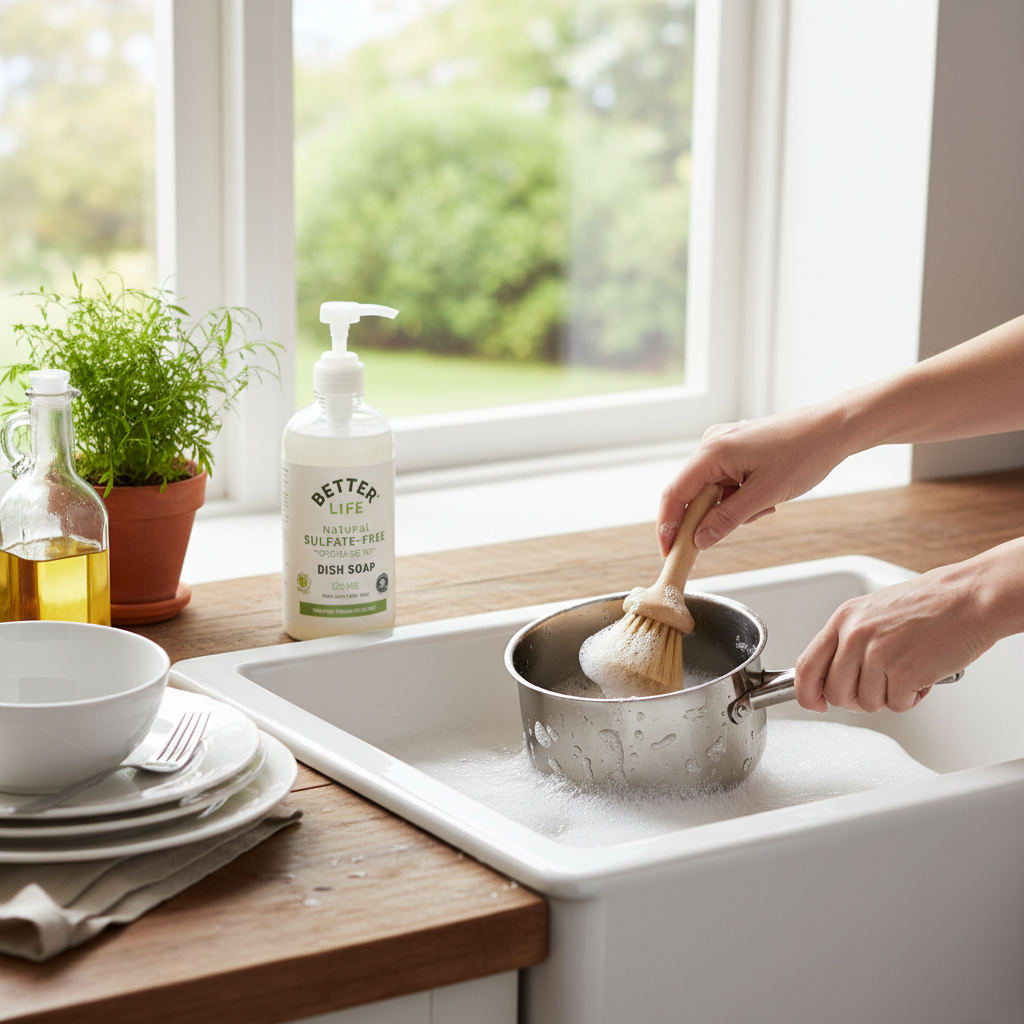
Stepping into the kitchen, the ritual of washing dishes can often feel like a mundane chore, yet it’s a vital part of maintaining a healthy home. For over a decade, my hands-on experience as a technician and administrator at reviewgfe.com has allowed me to delve deep into the world of dishwashing liquids, from everyday options to premium, eco-conscious innovations. Among the most exciting developments I’ve encountered is the rise of zero-waste solutions, particularly those packaged in paper bottles and other sustainable materials. This guide is crafted to share my insights, helping you navigate the options and choose a dishwashing liquid that’s kind to your dishes, your hands, and the planet.
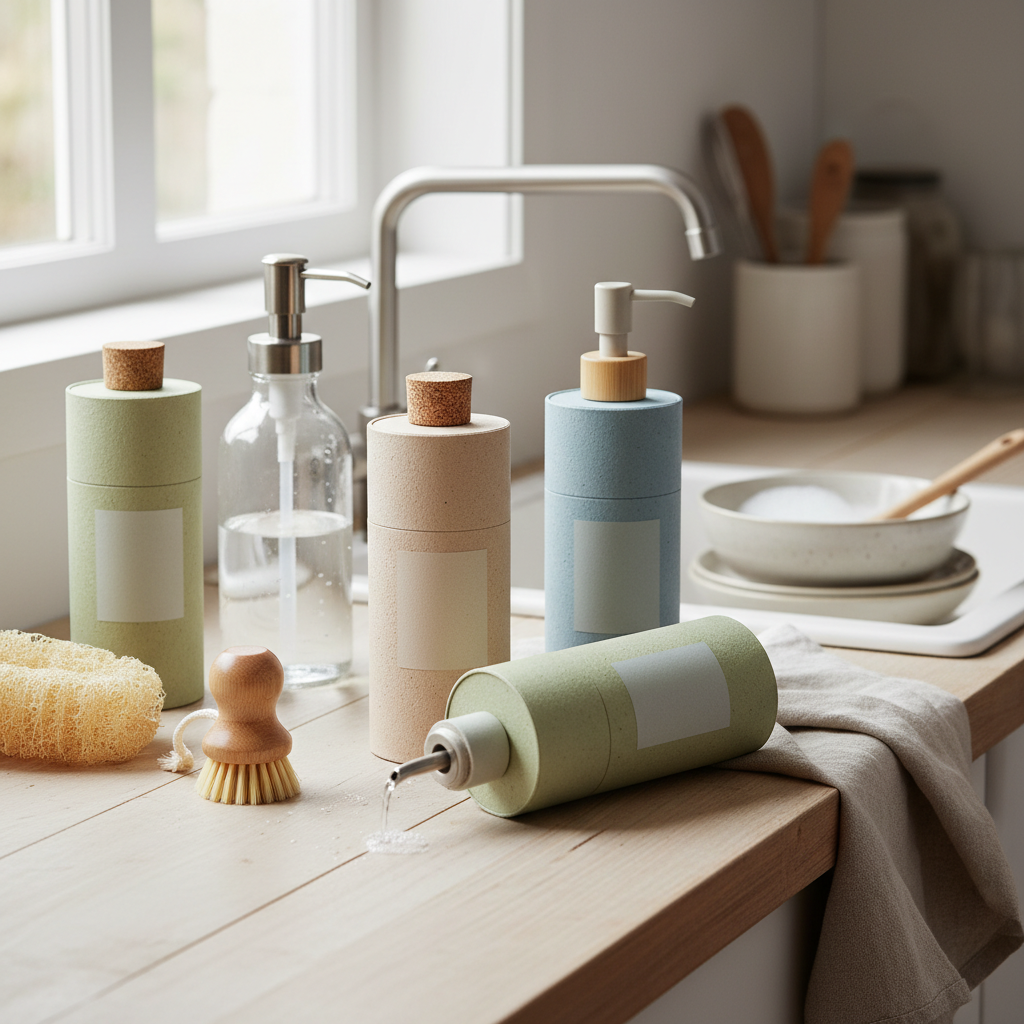
Popular Types of Zero-Waste Dishwashing Solutions
The landscape of eco-friendly dishwashing solutions is evolving rapidly, moving beyond traditional plastic bottles to offer innovative alternatives. Understanding these types is the first step toward making an informed choice.
Solid Dish Soap Bars: These concentrated bars are perhaps the most common form of zero-waste dish soap. You simply wet your sponge or brush and rub it directly onto the bar to create suds.
- Pros: Highly concentrated, leading to a longer lifespan than liquid counterparts; typically packaged in minimal, compostable paper or cardboard; excellent for reducing plastic waste.
- Cons: Can become mushy if not properly drained and stored; some users report a learning curve for optimal lathering.
- Best for: Manual dishwashing, individuals seeking maximum plastic reduction, and those with limited storage for liquid refills.
Concentrated Powder Refills: A modern innovation, these come as dry powders that dissolve in water to create a liquid dishwashing solution. Often packaged in compostable pouches.
- Pros: Significantly reduces carbon footprint during transport due to lighter weight (no water shipped); allows for reuse of a durable, non-plastic dispenser bottle; effective cleaning.
- Cons: Requires mixing with water; initial purchase may involve a reusable bottle.
- Best for: Those who prefer liquid soap but want to eliminate plastic waste and support a circular economy.
Liquid Concentrates/Refills: These products offer a highly concentrated liquid formula, often sold in small, specialized pouches or larger, refillable containers. Users dilute them at home or refill their existing bottles at bulk stores.
- Pros: Reduces packaging waste and transport emissions; maintains the convenience of liquid soap; often formulated with gentle, plant-based ingredients.
- Cons: Still uses some form of packaging for refills, though much less than traditional bottles; may require a suitable reusable dispenser.
- Best for: Convenience-driven eco-conscious consumers who prefer a ready-to-use liquid format.
Dishwashing Liquid in Paper Bottles: An emerging and promising solution, these products come in bottles primarily made from recycled paperboard with a thin, food-grade lining to hold the liquid.
- Pros: Drastically reduces virgin plastic use; often designed to be recyclable or compostable where facilities exist; maintains the familiar form factor of liquid dish soap.
- Cons: Liner material still needs to be considered for full biodegradability; availability may vary.
- Best for: Consumers seeking innovative, planet-friendly packaging for their liquid dish soap, bridging the gap between convenience and sustainability.
Essential Ingredients to Know in Dishwashing Liquid
Understanding the components of your dishwashing liquid is crucial for both cleaning effectiveness and personal/environmental safety. From my years of testing, I’ve seen how ingredients can make or break a product.
Key Active Ingredients (Surfactants): These are the workhorses that lift grease and grime.
- Sulfate-based Surfactants (e.g., Sodium Laureth Sulfate – SLES): Effective at creating lather and cutting grease. While conventional SLES can sometimes be harsh, many eco-friendly brands use milder, coconut-derived alternatives.
- Sugar Surfactants (e.g., Decyl Glucoside, Lauryl Glucoside): Derived from plant sugars and coconut oil, these are biodegradable, mild on skin, and provide good foaming and cleaning power. They are a preferred choice in many natural formulations.
- Coconut Oil Alcohol Sulphate (Sodium Coco-Sulfate): Another plant-derived surfactant known for its excellent fat-dissolving properties and skin tolerance.
Foaming Agents: Beyond cleaning, foam helps encapsulate grease and spread the soap.
- Cocamidopropyl Betaine (CAPB): Often derived from coconut oil, it’s a mild surfactant and foam booster, commonly found in gentle formulas.
Preservatives: Necessary to prevent microbial growth and extend shelf life, especially in liquid products.
- Natural Preservatives: Look for plant-derived options or those with minimal environmental impact.
- Ingredients to Avoid: Parabens, often used as preservatives, have raised health concerns and are best avoided.
Fragrances: A pleasant scent can enhance the dishwashing experience.
- Natural Essential Oils: Lemon, orange, lavender, and peppermint essential oils provide natural aromas and can offer additional degreasing or antibacterial properties.
- Ingredients to Avoid: “Fragrance” or “Parfum” without further detail often indicates synthetic chemicals that can be allergens and contribute to water pollution.
Other Important Components:
- Glycerin: A humectant, often a byproduct of soap-making, that helps keep hands moisturized, counteracting the drying effects of cleaning agents.
- Aloe Vera: Known for its soothing and moisturizing properties, beneficial for sensitive hands.
- Citric Acid: A natural acid derived from citrus fruits, it acts as a water softener, descaler, and can boost cleaning power, especially in hard water areas.
- Sodium Carbonate (Soda Crystals): A powerful degreaser and disinfectant, naturally derived.
Components to Avoid and Why:
- Phosphates: These compounds can contribute to eutrophication in waterways, leading to harmful algal blooms that deplete oxygen and harm aquatic life. Many regulations now ban them, but it’s still worth checking.
- Phthalates: Often found in synthetic fragrances, these are endocrine disruptors and can have negative health impacts.
- Triclosan and Methylisothiazolinone (MIT/MCI): These are antibacterial agents and preservatives that can be skin irritants, allergens, and harmful to aquatic ecosystems.
- Synthetic Dyes and Colorants: Often unnecessary and can add chemicals that offer no functional benefit and may be allergens or pollutants.
- Palm Oil: While a natural ingredient, unsustainable palm oil production is a major driver of deforestation and habitat loss. Look for certified sustainable palm oil or palm oil-free alternatives.
Comparing Leading Zero-Waste Dishwashing Solutions
When considering a switch to zero-waste dishwashing liquid, it’s not just about cleaning power; it’s about the holistic impact. Based on my comprehensive evaluations, here’s a comparative overview of the leading types of eco-friendly options available today.
| Solution Type | Key Advantages | Potential Disadvantages | Price Range (Approx.) | Environmental Impact Focus |
|---|---|---|---|---|
| Solid Dish Soap Bar | Ultra-concentrated, plastic-free packaging, long-lasting, often multi-purpose. | Can be messy if not stored properly, may require adjustment to use. | $10-$20/bar | Eliminates plastic bottles, reduced shipping weight. |
| Concentrated Powder | Lightweight for shipping, refills durable reusable containers, effective grease cutting. | Requires mixing, initial purchase of reusable dispenser. | $15-$30/kit (with bottle) | Significantly reduces transport emissions, zero plastic waste. |
| Liquid Refills (Pouch/Bulk) | Familiar liquid format, less packaging than new bottles, often plant-based. | Refill packaging still present (though reduced), availability of bulk refills varies. | $8-$15/refill | Reduces plastic consumption, supports circular economy. |
| Liquid in Paper Bottle | Combines liquid convenience with innovative plastic-reduced packaging, recyclable/compostable outer layer. | Internal liner still requires consideration for full biodegradability, newer technology, availability. | $10-$20/bottle | Drastically cuts virgin plastic, promotes sustainable packaging innovation. |
Note: Price ranges are estimates and can vary widely based on brand, size, and retailer.
Each solution offers a unique balance of convenience, effectiveness, and environmental benefit. The “best” choice often depends on individual preferences and local waste management infrastructure. For instance, solid bars excel in simplicity and portability, while concentrated powders represent the cutting edge in shipping efficiency and waste reduction. Products in paper bottles are a compelling choice for those who prefer the ease of liquid soap but are committed to minimizing plastic.
A Comprehensive Guide to Buying Dishwashing Liquid
Choosing the right dishwashing liquid can feel overwhelming with the myriad of options available. As someone who has spent years dissecting these products, I’ve identified key factors that should guide your selection, ensuring you pick a product that aligns with your household’s needs and values.
1. Cleaning Performance:
- Grease-Cutting Power: This is paramount. Look for formulations with strong, naturally derived surfactants like coconut-based or sugar surfactants, which are effective against stubborn oils and food residues. Reviews often highlight products that excel in this area.
- Foaming Ability: While not directly linked to cleaning, good lather helps distribute the soap and makes the dishwashing experience more satisfying.
- Rinsing Cleanliness: A good dish soap should rinse away easily without leaving streaks or residues on your dishes, glassware, or cutlery.
2. Safety for Skin and Environment:
- Ingredient Transparency: Opt for brands that provide a full disclosure of their ingredients. If a product simply lists “fragrance” or “cleaning agents” without specifics, proceed with caution.
- Non-Toxic and Biodegradable: Prioritize products free from harsh chemicals (e.g., phosphates, parabens, phthalates, synthetic dyes, triclosan). Biodegradable formulas ensure that what goes down your drain doesn’t harm aquatic ecosystems.
- Skin Sensitivity: If you have sensitive or dry skin, choose formulas enriched with moisturizing ingredients like glycerin or aloe vera. “Dermatologist-tested” or “hypoallergenic” labels can also be indicators of gentler options. Consider unscented versions or those with natural essential oils to avoid potential irritants from synthetic fragrances.
3. Packaging and Sustainability:
- Plastic-Free or Reduced Plastic: This is the core of zero-waste. Look for solid bars in compostable wrappers, concentrated powders or liquids with refill systems, or innovative packaging like paper bottles, aluminum, or glass.
- Recyclability/Compostability: Understand what can be done with the packaging after use. Does your local facility accept it? Is it genuinely compostable (home or industrial)?
- Carbon Footprint: Highly concentrated products or those in lightweight packaging (like paper bottles or powder refills) often have a lower carbon footprint due to reduced shipping weight.
4. Scent:
- Natural vs. Synthetic: If you prefer scented dish soap, opt for those using natural essential oils (e.g., lemon, lime, bergamot, mint) rather than synthetic fragrances, which can be allergens and environmental pollutants.
- Unscented Options: For highly sensitive individuals or those who prefer no added scent, many excellent unscented zero-waste dish soaps are available.
5. Brand Reputation and Certifications:
- Ethical Sourcing: Research brands known for ethical labor practices and sustainable sourcing of ingredients.
- Certifications: Look for third-party certifications such as USDA BioPreferred (for biobased content), Leaping Bunny (cruelty-free), MADE SAFE (certified safe ingredients), or B Corp (social and environmental performance). These provide an extra layer of assurance.
How to Choose for Specific Skin Types:
- Sensitive Skin: Seek out unscented, hypoallergenic formulas rich in emollients like glycerin or aloe vera. Avoid sulfates, strong essential oils, and synthetic fragrances.
- Dry Hands: Look for extra moisturizing properties, such as those with added plant-based oils or castor oil, which can help draw moisture into the skin while you wash. Wearing gloves is also a simple, effective solution.
Usage and Storage Tips:
- Dilution: For concentrated liquids or powders, always follow the manufacturer’s dilution instructions to ensure effectiveness and avoid waste.
- Storage: Keep solid bars in a well-draining soap dish to prevent them from becoming soft and extending their life. Store liquid concentrates or powders in airtight containers away from direct sunlight and humidity.
“Dishwashing liquid is more than just a cleaning agent; it’s a daily interaction that impacts your home’s ecosystem and your family’s health. Choosing wisely is an act of care.”
Smart Tips for Effective Dishwashing Liquid Use
Even the best dishwashing liquid can underperform without proper usage techniques. Over my years of experience, I’ve honed some simple yet highly effective tips to not only maximize your soap’s cleaning power but also minimize waste and effort.
1. Optimize Dilution (for Concentrates):
Many zero-waste dishwashing liquids come in concentrated forms – whether solid bars, powders, or liquid concentrates.
- Solid Bars: Simply wet your brush, sponge, or scrubbing pad, then rub it directly onto the bar a few times until a rich lather forms. There’s no need to use excessive amounts.
- Powder/Liquid Concentrates: Always follow the manufacturer’s instructions for dilution. Using too much can be wasteful and harder to rinse, while too little may not clean effectively. A common ratio for liquid concentrates might be one part soap to four parts water in a reusable dispenser.
2. Pre-Scrape and Pre-Soak:
Before reaching for the soap, scrape off any large food particles into the compost or trash. For heavily soiled pots and pans with dried-on food or baked-on grease, a quick pre-soak can work wonders.
- Fill the item with hot water and add a small amount of dishwashing liquid (or a few swipes of a solid bar). Let it sit for 15-30 minutes, or even overnight for tough cases. This significantly reduces the scrubbing effort and the amount of soap needed.
3. Use the Right Tools:
- Sponges and Brushes: A good quality, durable sponge or dish brush can make a significant difference. Consider eco-friendly options made from natural fibers, bamboo, or recycled materials. For solid bars, a stiff brush or a well-textured sponge helps create lather efficiently.
- Scrapers: For truly stubborn, caked-on food, a plastic or bamboo scraper can remove the bulk without excessive scrubbing or soap.
4. Tackle Tough Stains Naturally:
Some stains benefit from targeted approaches.
- Burnt-on Food: After soaking, sprinkle baking soda directly onto the burnt area, add a few drops of dish soap, and scrub with a non-abrasive scourer. The baking soda acts as a gentle abrasive and helps lift residue.
- Greasy Film: For plastic containers that retain a greasy film, try wiping them with a paper towel before washing to remove excess oil. For a deeper clean, a paste of baking soda and dish soap can be applied and left for a few minutes before scrubbing.
- Food Odors: A sprinkle of baking soda or a quick rub with a lemon wedge can help neutralize strong food odors on dishes before washing.
5. Economical Rinsing:
- Rinse dishes under a gentle stream of warm water rather than letting the tap run full blast. If you have a double sink, fill one side with clean rinse water to conserve.
- For lightly soiled items, batch rinsing can save water. Wash several items, then rinse them all together.
6. Proper Storage for Longevity:
- Solid Bars: Store on a well-draining soap dish (bamboo or ceramic works great) in between uses. This prevents the bar from sitting in water, which can cause it to dissolve prematurely and become mushy.
- Liquid Products (including paper bottles): Keep liquid dishwashing liquid in a cool, dry place away from direct sunlight. Ensure caps are tightly sealed to prevent evaporation. If using a refillable dispenser, clean it periodically to prevent any buildup.
Implementing these simple tips can transform your dishwashing routine, making it more efficient, more sustainable, and ultimately, more rewarding.
Conclusion
Navigating the vast array of dishwashing liquids can be a complex task, but focusing on zero-waste, eco-friendly options empowers us to make choices that benefit both our households and the planet. From innovative paper bottles to concentrated bars and powders, the market now offers a compelling suite of alternatives to traditional plastic-laden products. By prioritizing transparent ingredient lists, plant-derived surfactants, and truly sustainable packaging, you can ensure your daily dishwashing routine contributes to a healthier future.
My years of experience in this field have reinforced one clear truth: sustainable choices do not mean sacrificing cleanliness or convenience. Instead, they invite us to embrace smarter, more mindful practices. By selecting a high-performing, non-toxic dishwashing liquid in eco-friendly packaging, you’re not just cleaning your dishes; you’re making a powerful statement about the kind of world you want to live in.
Ready to make the switch and elevate your kitchen’s sustainability? What small change will you make today to reduce your environmental footprint in the kitchen?
Frequently Asked Questions
What are the main benefits of switching to zero-waste dishwashing liquid?
|
Our Picks for the Best Dishwashing liquid in 2026
As an Amazon Associate I earn from qualifying purchases.
|
||
| Num | Product | Action |
|---|---|---|
| 1 | Dawn Dishwashing Liquid, Original Scent, 38 fl oz |

|
| 2 | Dawn EZ-Squeeze Ultra Dish Soap, Dishwashing Liquid, Original, Dish Soap Refill, 22 fl oz |
|
| 3 | Dawn Platinum EZ-Squeeze Dish Soap, Dishwashing Liquid, Fresh Rain, 2x18oz Bundle |
|
| 4 | Palmolive Ultra Dishwashing Liquid Dish Soap, Pure + Clear Fragrance Free - 32.5 Fluid Ounce (Packaging may vary) |
|
| 5 | Dawn Ultra Original Dish Soap Refill Jug, Large Size Original Blue Liquid Dishwashing Detergent, Powerful Dawn Dish Soap for Grease, 51.5 oz |
|
| 6 | Dawn Platinum Dish Soap, Fresh Rain Scent Liquid Dishwashing Detergent, Powerful Dawn Dish Soap for Tough Grease Removal, 13 oz |
|
| 7 | Ajax Ultra Liquid Dish Soap Orange Scent,Triple Action, Mess-Free, Easy-Flip Cap, 52 fl oz Bottle |
|
| 8 | Dawn Ultra Original Dish Soap Refill Jug Large Size Original Blue Liquid Dishwashing Detergent, Powerful Dawn Dish Soap for Grease, 51.5oz (Pack of 2) |
|
| 9 | Ajax Ultra Liquid Dish Soap Orange Scent, Triple Action, 90 fl oz Bottle |
|
| 10 | Cascade Complete Dishwasher Detergent Liquid Gel, Dish Detergent, Dishwasher Soap, Citrus, 75oz |
|
Switching to zero-waste dishwashing liquid primarily reduces plastic waste, minimizes your carbon footprint due to lighter shipping weights for concentrates, and often means using products with fewer harsh chemicals, making them safer for your family and the environment. These products typically feature biodegradable ingredients and innovative, recyclable, or compostable packaging.
Do zero-waste dish soaps clean as effectively as conventional ones?
Absolutely! Modern zero-waste dish soaps, especially those with advanced plant-derived surfactants, are formulated to cut through grease and grime just as effectively as conventional detergents. Many expert reviews highlight their impressive cleaning performance, often rivaling or even surpassing traditional options.
Are paper bottles for dish soap truly sustainable?
Yes, paper bottles represent a significant step towards sustainability. They are primarily made from renewable, recycled paperboard, drastically reducing reliance on virgin plastics. While they typically contain a thin, food-grade liner for liquid containment, their overall environmental impact is considerably lower than traditional plastic bottles, especially when the outer paper layer is recyclable or compostable.
What ingredients should I avoid in dishwashing liquid for sensitive skin?
For sensitive skin, it is best to avoid synthetic fragrances, harsh sulfates (like conventional SLS), parabens, and strong dyes. Instead, look for unscented formulas or those naturally scented with mild essential oils, and products enriched with skin-conditioning ingredients such as glycerin or aloe vera.
How do concentrated dish soap bars compare to liquid versions in terms of longevity?
Dish soap bars are highly concentrated and typically last much longer than equivalent liquid versions. Because they contain less water, a single bar can often replace multiple plastic bottles of liquid dish soap, offering excellent value and extended use when stored properly on a draining dish.
Can I use zero-waste dishwashing liquid in a dishwasher?
Most zero-waste dishwashing liquids, especially liquid and bar forms, are designed for handwashing and are not suitable for dishwashers. Dishwashers require specialized detergents. However, some brands offer zero-waste dishwasher tablets or powders specifically formulated for machine use. Always check the product label for compatibility.
How should I store a solid dish soap bar to make it last longer?
To maximize the life of a solid dish soap bar, store it on a well-draining soap dish (such as bamboo or ceramic) that allows air circulation. This prevents water from pooling around the bar, which can cause it to soften and dissolve quickly. Keep it away from direct spray when not in use.