Few things are as frustrating in the kitchen as reaching for dish soap, only to find your pump dispenser stubbornly refusing to cooperate. A clogged dish soap pump can bring your cleaning routine to a screeching halt, leaving you with a sink full of suds-less dishes. But don’t despair! Most clogged dispensers are simple to fix with a few common household items and a little patience. This guide will walk you through diagnosing the problem, providing step-by-step solutions, and even offer tips to prevent future clogs, helping you restore smooth, effortless soap dispensing to your kitchen.
Understanding Your Dish Soap Pump Dispenser
Before diving into fixes, let’s briefly understand how a typical dish soap pump dispenser works. These dispensers rely on a simple mechanism: when you press the pump head, a piston pushes air, creating suction that draws liquid soap up through a narrow straw (dip tube) and out the spout. Any interruption in this path, whether in the straw, the internal pump mechanism, or the spout, can lead to a clog.
Clogs typically occur for several reasons. The most common culprit is dried soap buildup, especially when the dispenser is used infrequently or when soap sits in the spout and solidifies. Thick dish soap can also be problematic, as its viscosity makes it harder for the pump to draw and push, leading to sluggish dispensing or blockages. Sometimes, small pieces of debris or even a jammed spring mechanism within the pump can also cause issues. Understanding these common causes helps in effectively tackling the problem.
Essential Tools for Unclogging
You won’t need a specialized toolkit to fix a clogged dish soap pump. Most of what you need is likely already in your kitchen or utility drawer. Gathering these items beforehand will make the unclogging process quick and seamless:
- Hot Water: This is your primary weapon against dried soap. Very hot tap water (not boiling) works best to dissolve hardened residue.
- Small Container or Bowl: A mug, small basin, or bowl is ideal for soaking the pump mechanism.
- Pipe Cleaner or Unbent Paper Clip: These flexible tools are excellent for physically dislodging stubborn clogs from narrow spouts and tubes.
- White Vinegar (Optional): For particularly tough clogs, adding white vinegar to hot water can help break down stubborn soap residue.
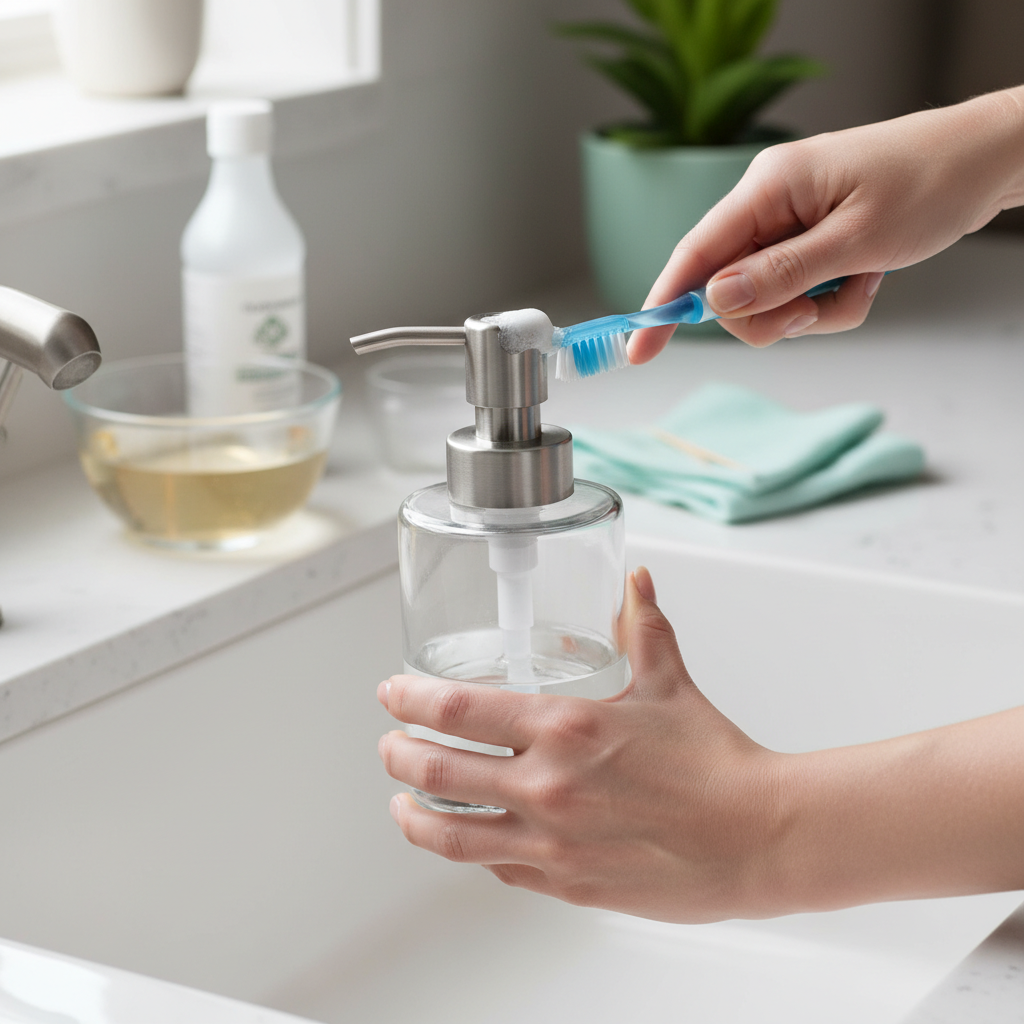
- Old Toothbrush or Small Brush (Optional): Useful for scrubbing away any external soap residue or grime.
- Clean Cloth or Paper Towels: For wiping down components and cleaning up any spills.
Step-by-Step Guide to Unclogging Your Dispenser
Ready to get your dish soap flowing freely again? Follow these steps for a thorough unclogging process:
Step 1: Disassemble the Pump
|
Our Picks for the Best Dishwashing liquid in 2026
As an Amazon Associate I earn from qualifying purchases.
|
||
| Num | Product | Action |
|---|---|---|
| 1 | Ajax Ultra Liquid Dish Soap Orange Scent, Triple Action, 90 fl oz Bottle |

|
| 2 | Dawn EZ-Squeeze Ultra Dish Soap, Dishwashing Liquid, Original, Dish Soap Refill, 22 fl oz |
|
| 3 | Ajax Ultra Liquid Dish Soap Orange Scent,Triple Action, Mess-Free, Easy-Flip Cap, 52 fl oz Bottle |
|
| 4 | Dawn Dishwashing Liquid, Original Scent, 38 fl oz |
|
| 5 | Dawn Platinum Dish Soap, Fresh Rain Scent Liquid Dishwashing Detergent, Powerful Dawn Dish Soap for Tough Grease Removal, 13 oz |
|
| 6 | Dawn Ultra Original Dish Soap Refill Jug, Large Size Original Blue Liquid Dishwashing Detergent, Powerful Dawn Dish Soap for Grease, 51.5 oz |
|
| 7 | Dawn Ultra Original Dish Soap Refill Jug Large Size Original Blue Liquid Dishwashing Detergent, Powerful Dawn Dish Soap for Grease, 51.5oz (Pack of 2) |
|
| 8 | Cascade Complete Dishwasher Detergent Liquid Gel, Dish Detergent, Dishwasher Soap, Citrus, 75oz |
|
| 9 | Dawn Platinum EZ-Squeeze Dish Soap, Dishwashing Liquid, Fresh Rain, 2x18oz Bundle |
|
| 10 | Palmolive Ultra Dishwashing Liquid Dish Soap, Pure + Clear Fragrance Free - 32.5 Fluid Ounce (Packaging may vary) |
|
First, carefully remove the entire pump assembly from your dish soap bottle or dispenser. This typically involves unscrewing the pump head counter-clockwise. Once removed, if your pump has a separate top portion with the spout and a base with the straw, you might be able to twist these apart further. This allows for more targeted cleaning. Set the bottle of soap aside.
Step 2: Hot Water Soak
Place the disconnected pump assembly (or just the top portion if you separated it) into your small container. Fill the container with very hot water, ensuring the entire pump mechanism and straw are submerged. Let it soak for approximately 10 to 15 minutes. This hot bath will begin to soften and dissolve any dried soap that has accumulated inside, preparing it for flushing.
Step 3: Flush the Pump
After soaking, remove the pump from the hot water. Keeping the pump submerged in the hot water, repeatedly pump the dispenser. You should see hot water being drawn up the straw and pushed out through the spout. Continue pumping until the water flowing out is clear and moves freely, indicating that much of the dried soap has been flushed away.
Step 4: Mechanical Cleaning (for stubborn clogs)
If the pump still feels stiff or struggles to dispense water after the hot water flush, you likely have a more stubborn clog. This is where your pipe cleaner or unbent paper clip comes in handy.
- For the spout: Insert the pipe cleaner or paper clip into the very end of the spout and gently push and twist it through. Work it back and forth to dislodge any solidified soap.
- For the straw/dip tube: If accessible, carefully push the pipe cleaner or paper clip down the straw.
- For the threaded neck: If your pump separated, use the tool to clear any buildup in the threaded neck where the spout attaches.
After using the mechanical tool, return to Step 3 and flush the pump with hot water again to wash out any loosened debris.
Step 5: Vinegar Rinse (if needed)
For extremely stubborn clogs, a hot water and white vinegar solution can be highly effective. Empty the hot water from your container and refill it with a mixture of equal parts hot water and white vinegar. Place the pump back in, let it soak for another 10-15 minutes, then repeat the flushing process (Step 3). Vinegar’s acidic properties can help break down mineral deposits or particularly tough soap residues that plain hot water might miss.
Step 6: Reassemble and Test
Once you are confident the pump is clear and clean, dry all components thoroughly with a clean cloth. Reassemble any separated parts, twisting them back together securely. Screw the pump assembly back onto your dish soap bottle. Prime the pump a few times, and your dish soap should now dispense smoothly and effortlessly. If it still doesn’t work, consider the possibility of a damaged spring mechanism, which might necessitate a replacement pump.
Preventing Future Clogs
An ounce of prevention is worth a pound of cure, especially when it comes to keeping your dish soap pump in top working order. Here are some simple habits to adopt:
- Regular Flushing: If you don’t use your dish soap dispenser daily, or before any extended period of disuse (like going on vacation), remove the pump and flush it thoroughly with warm water until clear. This prevents soap from drying inside.
- Dilute Thick Soap: Some dish soaps are quite concentrated. If you notice your pump struggling or frequently clogging, try diluting your dish soap with a small amount of water. A ratio of 4 parts soap to 1 part water (or even 3:1) often works wonders without significantly impacting cleaning power.
- Choose Suitable Soaps: Be mindful that soaps with very high glycerin content can be more prone to clogging. If you consistently experience issues with a particular brand, consider switching to one with a thinner consistency.
- Clean Regularly: A quick wipe down of the spout after each use can prevent external buildup. Periodically, give the entire pump mechanism a quick hot water rinse as a preventative measure.
Troubleshooting Your Dish Soap Pump Dispenser
To summarize common problems and their solutions at a glance, refer to this troubleshooting table:
| Problem | Possible Cause | Solution |
|---|---|---|
| No soap comes out | Clogged spout/straw | Hot water soak, pipe cleaner/paper clip |
| Pump feels stiff | Dried soap buildup | Extended hot water soak, flush repeatedly |
| Soap comes out slowly | Partially clogged pump | Hot water + vinegar flush, mechanical clean |
| Pump is stuck down | Spring mechanism jammed | Try to free spring (if accessible), replace pump |
| Visible residue | External soap buildup | Use an old toothbrush and warm water to scrub clean |
When to Replace Your Dish Soap Pump Dispenser
While most clogs are fixable, there comes a time when replacement is the most practical solution. Consider replacing your dish soap pump dispenser if:
- Irreparable Mechanical Damage: If the internal spring mechanism is visibly broken, bent, or simply won’t rebound, and you cannot access or repair it, a new pump is necessary.
- Persistent Leaks: Minor leaks can sometimes be fixed by ensuring all connections are tight or by cleaning the pump. However, if a leak persists despite your efforts, it indicates a crack or seal failure within the mechanism, making replacement essential.
- Chronic Clogging: If your pump clogs constantly, even with diligent cleaning and preventative measures, it might be a design flaw or simply worn out. A new, well-designed pump could save you recurring frustration.
- Cost-Effectiveness: Sometimes, especially with integrated sink dispensers, the cost of a replacement pump can be minimal, making it a more efficient solution than spending excessive time on a stubbornly faulty unit.
“A well-functioning dish soap pump is a small detail that makes a big difference in daily kitchen efficiency. Don’t underestimate the impact of a smooth pour!” – Sarah J., Home Appliance Technician
Conclusion
A clogged dish soap pump dispenser is a minor annoyance that can disrupt your kitchen routine, but it’s rarely a permanent problem. By understanding the common causes and following the simple, step-by-step solutions outlined in this guide – primarily involving hot water soaks, mechanical cleaning with simple tools, and occasionally a vinegar rinse – you can quickly restore your dispenser to full functionality. Remember that consistent prevention, such as regular flushing and mindful soap selection, will keep your dish soap pump working optimally for longer. Why let a stubborn pump stand between you and sparkling clean dishes? Try these tips today and experience the satisfaction of a perfectly working dish soap pump dispenser once more.
Frequently Asked Questions
Why does my dish soap pump keep clogging?
Dish soap pumps commonly clog due to dried soap residue accumulating in the spout, straw, or internal mechanism, especially with infrequent use. Thick dish soaps or those with high glycerin content can also solidify more easily, leading to blockages.
Can I use anything other than hot water to unclog a soap pump?
Yes, for stubborn clogs, a solution of equal parts hot water and white vinegar can be very effective as the vinegar’s acidity helps break down tough soap residue. You can also use a thin, flexible tool like a pipe cleaner or an unbent paper clip for mechanical removal of blockages.
How often should I clean my dish soap pump?
It’s a good practice to flush your dish soap pump with warm water once a month, or whenever you notice the dispensing becoming sluggish. If you plan to leave the dispenser unused for an extended period, cleaning it beforehand is highly recommended to prevent drying out.
Is it better to dilute dish soap to prevent clogs?
Yes, if you use a particularly thick or concentrated dish soap, diluting it slightly with water (e.g., 3-4 parts soap to 1 part water) can significantly help prevent clogs. This makes the soap easier for the pump mechanism to draw and dispense, reducing buildup.