Do your cherished rings, necklaces, and bracelets look a little dull? Over time, daily wear, skin oils, lotions, and environmental factors can dim the brilliance of even the most exquisite jewelry. But what if the secret to restoring their shine was already in your kitchen? Many assume professional cleaning is always necessary, yet a simple, effective, and surprisingly safe method using mild dish soap and a soft toothbrush can bring most of your favorite pieces back to life right at home. This comprehensive guide will walk you through everything you need to know, from which pieces are safe to clean this way to a step-by-step process that ensures dazzling results.
The Gentle Power of Dish Soap and a Toothbrush
For centuries, keeping jewelry sparkling was a meticulous task, often reserved for jewelers. Today, thanks to common household items, you can achieve remarkable results with ease. The combination of mild dish soap and a soft-bristled toothbrush is widely recognized as one of the safest and most effective DIY methods for maintaining the luster of various jewelry types. This gentle approach helps lift away accumulated grime, oils, and residues without resorting to harsh chemicals that could potentially damage delicate materials or intricate settings. It’s about careful, consistent care that respects the integrity of your precious adornments.
Which Jewelry Can You Safely Clean with Dish Soap?
Understanding which pieces are suitable for this cleaning method is crucial to prevent accidental damage. Fortunately, many of your most common and beloved jewelry items can benefit greatly from a dish soap and toothbrush bath.
This method is generally safe and highly recommended for:
- Solid Gold and Platinum Jewelry: Both 10K, 14K, 18K, 24K gold, and platinum rings, necklaces, bracelets, and earrings respond beautifully to this gentle cleaning. Dish soap effectively breaks down the oils and dirt that dull these precious metals without causing harm.
- Diamonds (Natural and Lab-Grown): Diamonds are one of the hardest natural substances, making them incredibly resilient. A mild dish soap solution is excellent for removing the film that can build up on diamonds, restoring their unparalleled sparkle and fire. The toothbrush is perfect for reaching into the intricate facets and settings to dislodge hidden grime.
- Durable Gemstones: Hard gemstones like sapphires, rubies, moissanite, and spinel can also be safely cleaned with dish soap and a soft brush. Their durability allows them to withstand the gentle scrubbing, helping to reveal their vibrant colors.
Regular cleaning with this method not only keeps your jewelry looking its best but also helps maintain its structural integrity by preventing buildup from weakening settings.
Jewelry to Avoid Cleaning with Dish Soap and a Toothbrush
While incredibly versatile, the dish soap and toothbrush method is not a one-size-fits-all solution. Certain types of jewelry, particularly those with delicate or porous materials, can be damaged by soaking or scrubbing. Knowing what to avoid is as important as knowing what to clean.
You should NOT clean the following jewelry with dish soap and a toothbrush:
- Porous Gemstones: Delicate and porous stones like pearls, opals, turquoise, emeralds, coral, and amber can absorb the soap, leading to discoloration, dullness, or even structural damage. Pearls, for instance, are organic and can lose their luster when exposed to chemicals or prolonged soaking. Emeralds, while beautiful, often have natural fractures that can be exacerbated by water and soap.
- Plated Jewelry: Jewelry that is gold-plated, silver-plated, or rhodium-plated has a thin layer of precious metal over a base metal. Harsh scrubbing or certain chemicals in dish soap can wear away this plating, exposing the less attractive base metal underneath and causing irreversible damage.
- Antique or Costume Jewelry with Glued Settings: Older pieces or costume jewelry often use glue to secure stones rather than traditional settings. Soaking these items in water, especially warm water, can dissolve the adhesive, causing stones to become loose or fall out.
- Jewelry with Known Damage: If your jewelry has loose stones, cracked settings, or visible damage, cleaning it yourself, especially with scrubbing, could worsen the problem. It’s always best to have such pieces inspected by a professional jeweler first.
For these sensitive items, a simple wipe with a soft, damp cloth or professional cleaning is often the safest approach.
Step-by-Step Guide: Cleaning Your Jewelry at Home
Cleaning your jewelry with dish soap and a toothbrush is a straightforward process that yields impressive results. Follow these simple steps to safely restore the shine to your treasured pieces.
What You’ll Need:
- Mild Dish Soap: Opt for a gentle, unscented, and dye-free formula. Popular brands like Dawn are often recommended for their mildness.
- Warm Water: Not hot, as extreme temperatures can shock certain gemstones.
- Small Bowl or Cup: To create your cleaning solution.
- Soft-Bristled Toothbrush: A new, clean toothbrush with soft bristles (a baby toothbrush works exceptionally well) is ideal. Crucially, do not use a toothbrush that has been used for dental hygiene, as toothpaste residue can be abrasive.
- Lint-Free Cloth: A microfiber cloth or a soft cotton cloth is perfect for drying and polishing. Avoid paper towels, which can scratch metals.
|
Our Picks for the Best Dishwashing liquid in 2026
As an Amazon Associate I earn from qualifying purchases.
|
||
| Num | Product | Action |
|---|---|---|
| 1 | Cascade Complete Dishwasher Detergent Liquid Gel, Dish Detergent, Dishwasher Soap, Citrus, 75oz |

|
| 2 | Dawn Dishwashing Liquid, Original Scent, 38 fl oz |
|
| 3 | Dawn Platinum EZ-Squeeze Dish Soap, Dishwashing Liquid, Fresh Rain, 2x18oz Bundle |
|
| 4 | Dawn Ultra Original Dish Soap Refill Jug, Large Size Original Blue Liquid Dishwashing Detergent, Powerful Dawn Dish Soap for Grease, 51.5 oz |
|
| 5 | Dawn Ultra Original Dish Soap Refill Jug Large Size Original Blue Liquid Dishwashing Detergent, Powerful Dawn Dish Soap for Grease, 51.5oz (Pack of 2) |
|
| 6 | Palmolive Ultra Dishwashing Liquid Dish Soap, Pure + Clear Fragrance Free - 32.5 Fluid Ounce (Packaging may vary) |
|
| 7 | Ajax Ultra Liquid Dish Soap Orange Scent,Triple Action, Mess-Free, Easy-Flip Cap, 52 fl oz Bottle |
|
| 8 | Dawn EZ-Squeeze Ultra Dish Soap, Dishwashing Liquid, Original, Dish Soap Refill, 22 fl oz |
|
| 9 | Dawn Platinum Dish Soap, Fresh Rain Scent Liquid Dishwashing Detergent, Powerful Dawn Dish Soap for Tough Grease Removal, 13 oz |
|
| 10 | Ajax Ultra Liquid Dish Soap Orange Scent, Triple Action, 90 fl oz Bottle |
|
The Cleaning Process:
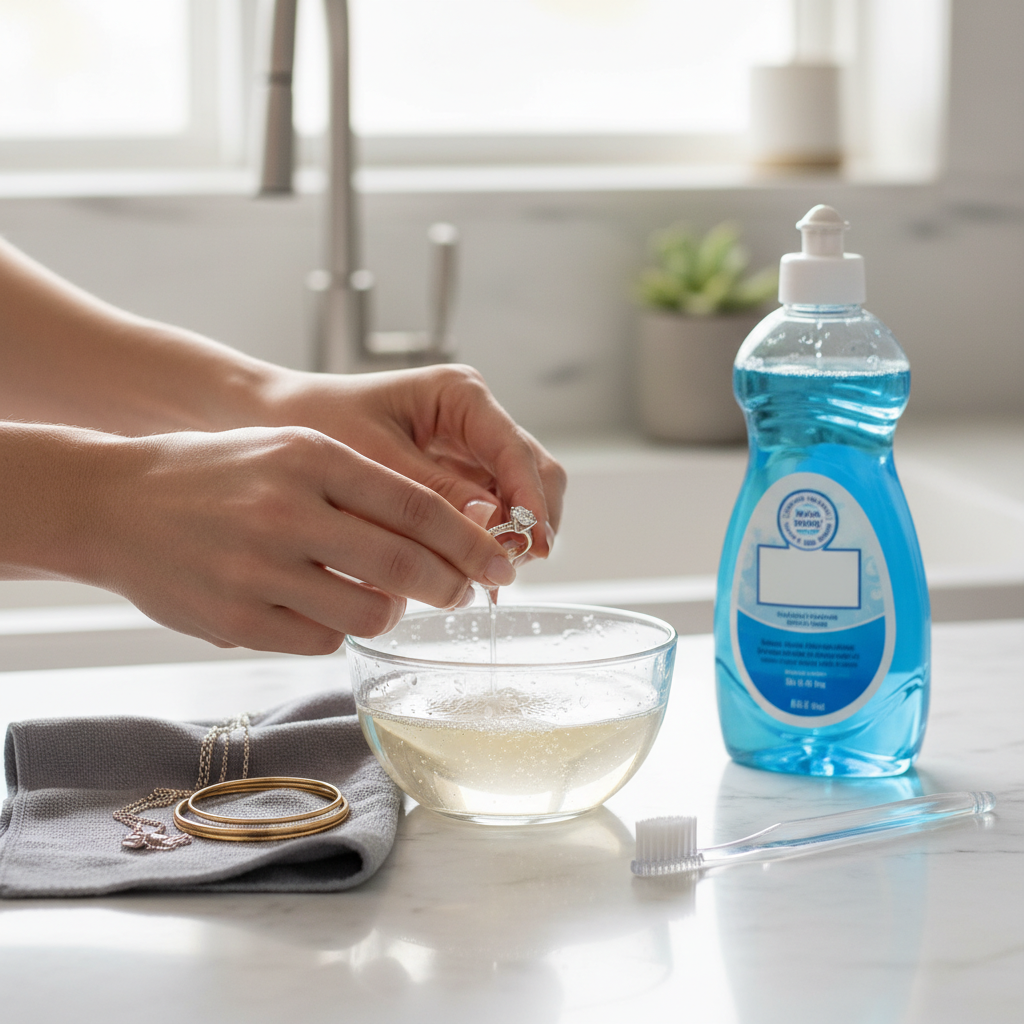
- Prepare the Solution: Fill a small bowl with warm (not hot) water. Add a few drops of mild dish soap to the water and gently stir to create a soapy solution. The water should be comfortably warm to the touch, not scalding.
- Soak Your Jewelry: Carefully place your jewelry into the soapy water. Allow it to soak for about 10 to 30 minutes, depending on how dirty the piece is. For very grimy items, you might extend the soak time to 40 minutes. This helps loosen dirt and oils.
- Gently Brush: After soaking, remove one piece of jewelry at a time. Using your soft-bristled toothbrush, gently scrub the jewelry, paying close attention to intricate areas, crevices, and the backs of stones where dirt tends to accumulate. Be thorough but avoid aggressive scrubbing, especially around prongs or delicate details.
- Rinse Thoroughly: This is a critical step. Rinse your jewelry under lukewarm running water until all soap residue is gone. To prevent losing small items, always plug the sink drain before rinsing. Ensure every crevice is free of suds.
- Pat Dry and Polish: Gently pat your jewelry dry with a clean, lint-free cloth. You can also allow it to air dry on a soft cloth, but drying by hand helps prevent water spots and enhances the shine. For an extra sparkle, you can gently buff the dry jewelry with a polishing cloth.
“Regular, gentle cleaning with mild soap and water is the cornerstone of maintaining a piece’s beauty and longevity. It’s simple, yet profoundly effective for most durable jewelry.” – Eleanor Vance, Master Jeweler
Choosing the Right Dish Soap and Toothbrush
The success of this DIY cleaning method hinges on using the right tools. Not all dish soaps or toothbrushes are created equal when it comes to delicate jewelry.
Selecting Your Dish Soap:
- Mildness is Key: Always opt for a mild dish soap. Heavy-duty degreasers, harsh detergents, or antibacterial soaps can contain additives that are too strong for jewelry.
- Avoid Dyes and Fragrances: Many dish soaps contain artificial dyes and strong fragrances that can leave a cloudy residue on your jewelry or potentially react with certain metals and stones. Choose clear, unscented formulas whenever possible.
- Check Ingredients: While most common mild dish soaps like original blue Dawn are considered safe, a quick glance at the ingredients can help you avoid unnecessarily harsh chemicals.
Selecting Your Toothbrush:
- Soft Bristles Only: This cannot be stressed enough. Hard bristles can scratch precious metals and certain gemstones. A soft-bristled brush is essential for gentle yet effective cleaning.
- New and Dedicated: Use a brand-new toothbrush reserved solely for jewelry cleaning. An old toothbrush may harbor toothpaste residue, which is abrasive and can scratch your jewelry.
- Consider a Baby Toothbrush: Baby toothbrushes often have exceptionally soft bristles and smaller heads, making them ideal for reaching tiny crevices and intricate designs without being too harsh.
Dish Soap & Toothbrush Cleaning Suitability
To help you quickly identify if your jewelry is a good candidate for this method, refer to the table below:
| Jewelry Type | Safe for Dish Soap & Toothbrush? | Notes |
|---|---|---|
| Solid Gold | Yes | Ideal for removing daily grime and restoring shine. |
| Platinum | Yes | Highly durable; can withstand gentle scrubbing to maintain brilliance. |
| Diamonds | Yes | Excellent for enhancing sparkle; focus on back of stone and settings. |
| Sapphires, Rubies | Yes | Hard gemstones, safe for this method; brings out their vibrant color. |
| Moissanite | Yes | Very durable and brilliant, cleans well with this method. |
| Cubic Zirconia | Yes | Safe for synthetic stones to remove film and restore sparkle. |
| Pearls | No | Porous; can absorb soap, leading to dullness or damage. |
| Opals | No | Porous and delicate; susceptible to damage from soaking and chemicals. |
| Turquoise | No | Porous; can change color or be damaged by water and chemicals. |
| Emeralds | Caution | Often treated or have inclusions; avoid soaking, wipe gently if needed. |
| Plated Jewelry | No | Risk of stripping the thin metal layer. |
| Costume Jewelry | No (Generally) | Often glued settings or less durable materials; risk of damage. |
Beyond the Basics: Tips for Best Results
To ensure your jewelry cleaning efforts are successful and long-lasting, keep these expert tips in mind:
- Check for Loose Stones First: Before soaking or scrubbing, gently jiggle each stone with your finger. If any feel loose, or if a prong is bent, refrain from cleaning and take the piece to a professional jeweler for repair.
- Don’t Over-Soak Delicate Pieces (Even if “Safe”): While gold and diamonds are durable, prolonged soaking is generally unnecessary. The suggested 10-30 minutes is usually sufficient.
- Rinse with Care: Always rinse jewelry under a gentle stream of lukewarm water, not hot, and ensure the sink drain is plugged. This prevents thermal shock to gemstones and catastrophic loss down the drain.
- Dry Completely: Moisture can cause tarnishing or irritation. Make sure your jewelry is thoroughly dry before wearing or storing it.
- Regularity is Key: Cleaning your frequently worn jewelry once a week or every two weeks can prevent heavy buildup and keep it consistently sparkling. Less frequently worn pieces can be cleaned as needed.
- Store Properly: After cleaning, store your jewelry in a clean, dry place, preferably in a fabric-lined box or soft pouch, away from other pieces that could scratch it.
When to Seek Professional Cleaning
While the dish soap and toothbrush method is excellent for routine maintenance, some situations warrant professional attention. Jewelers have specialized equipment like ultrasonic cleaners (which use high-frequency sound waves to create tiny bubbles that dislodge dirt) and steam cleaners, along with expert knowledge for delicate or complex pieces.
Consider professional cleaning for:
- Heavily Tarnished or Extremely Dirty Jewelry: Especially intricate pieces with years of grime.
- Antique or Sentimental Jewelry: Pieces that require a more delicate touch or specialized knowledge of older materials and construction.
- Jewelry with Delicate or Unknown Gemstones: If you’re unsure about a stone’s durability or treatment, a professional can assess and clean it safely.
- Loose Stones or Damaged Settings: Always repair first, then clean.
- Deep Cleaning and Inspection: Professional cleaning often includes an inspection for wear and tear, loose prongs, or other issues, which can prevent future damage or loss of stones.
Conclusion
Cleaning your jewelry with mild dish soap and a soft toothbrush is a fantastic, accessible way to maintain the beauty and brilliance of many of your most treasured possessions. By following a few simple steps and understanding which materials are safe for this method, you can effortlessly keep your gold, platinum, and diamond pieces dazzling. Regular home care, combined with judicious professional cleaning when needed, ensures your jewelry remains a source of joy and sparkle for years to come.
What’s your favorite piece of jewelry that you’re eager to restore to its former glory?
Frequently Asked Questions
Can I use any dish soap to clean my jewelry?
No, it’s best to use a mild, unscented, and dye-free dish soap. Harsh detergents, antibacterial soaps, or those with strong fragrances and dyes can leave residues or contain chemicals that may not be suitable for delicate metals and gemstones.
How often should I clean my jewelry with dish soap and a toothbrush?
For frequently worn pieces like engagement rings, cleaning once a week or every two weeks is ideal to prevent heavy buildup. Less frequently worn items can be cleaned as needed, typically every few months.
What kind of toothbrush is best for cleaning jewelry?
A new, soft-bristled toothbrush is recommended. Baby toothbrushes are often excellent due to their extra soft bristles and small head, which can reach intricate areas effectively without scratching the metal or stones.
Is it safe to clean diamond rings with dish soap?
Yes, diamonds are very hard and can be safely cleaned with mild dish soap and a soft toothbrush. This method effectively removes oils and grime that dull a diamond’s sparkle, restoring its brilliance.
How long should I soak jewelry in the dish soap solution?
A soak time of 10 to 30 minutes is usually sufficient. For very dirty items, you can extend the soaking period up to 40 minutes to help loosen stubborn dirt and oils before scrubbing.