Are your makeup sponges looking less like pristine blending tools and more like neglected works of art? You’re not alone. Those beloved sponges, crucial for flawless foundation and concealer application, quickly become a magnet for makeup residue, oil, and bacteria. The result? Breakouts, uneven blending, and a diminished lifespan for your costly beauty tools. While specialized cleansers exist, many beauty enthusiasts turn to a common household hero: dish soap. But with so many options, how do you find the best dish soap for cleaning makeup sponges effectively and safely in 2026? This comprehensive guide will navigate the sudsy waters, helping you choose the ideal formula and master the cleaning technique for hygienic, long-lasting sponges.
Why Turn to Dish Soap for Your Makeup Sponges?
Dish soap has earned its place in many beauty routines for a compelling reason: its powerful degreasing properties. Makeup, especially foundations and concealers, is often oil-based. Just as dish soap effortlessly cuts through stubborn grease on plates, it can dissolve the oils and pigments clinging to your makeup sponges. This makes it an incredibly effective and often surprisingly affordable alternative to dedicated beauty tool cleansers. Furthermore, dish soap is readily available in most households, making it a convenient solution for regular cleaning, which is essential for maintaining hygiene. Many users laud brands like Dawn for their exceptional ability to break down even the most resistant makeup stains.
The Great Debate: Is Dish Soap Safe for Your Sponges?
While dish soap offers undeniable cleaning power, its use on delicate makeup sponges sparks an ongoing debate among beauty experts.
On one hand, the pros are clear:
- Deep Cleaning: Dish soap excels at removing heavy makeup buildup and deep-set stains, restoring sponges to a near-new state.
- Cost-Effective: It’s significantly cheaper than most specialized sponge cleansers, offering an economical way to keep your tools hygienic.
However, there are cons to consider:
- Potential for Damage: Some manufacturers, like Beautyblender, caution that harsh soaps and detergents can dry out and break down the sponge’s material over time, leading to premature tearing and a compromised texture.
- Residue Concerns: If not rinsed thoroughly, dish soap can leave a residue that might affect subsequent makeup application or irritate sensitive skin.
To mitigate these risks, the key lies in selecting a gentle formula and employing proper cleaning and rinsing techniques. It’s about finding a balance between potent cleaning and preserving the integrity of your cherished sponges.
Types of Dish Soaps to Consider (and Avoid) for Makeup Sponges
When it comes to choosing a dish soap for your makeup sponges, not all formulas are created equal. Opting for the right type can make all the difference in achieving a thorough clean without causing damage.
Recommended Types:
- Gentle, Unscented, or Lightly Scented Formulas: These are generally safer for delicate sponge materials and sensitive skin. Look for clear liquid soaps rather than opaque, heavily dyed varieties, as dyes can potentially stain sponges or leave residue.
- Sensitive Skin Formulas: Many brands offer dish soaps specifically designed for sensitive hands, which often contain fewer harsh chemicals, dyes, and fragrances. These are excellent choices for makeup sponges.
- Plant-Based or Eco-Friendly Options: These often boast milder ingredients and fewer synthetic additives, making them a gentler alternative.
Types to Potentially Avoid or Use with Caution:
- Highly Concentrated Formulas: While effective for dishes, these can be overly harsh on sponges. If using, dilute them significantly more than usual.
- Heavily Fragranced Soaps: Strong perfumes can linger in the sponge, potentially transfer to your skin, or cause irritation. They may also contain additional chemicals that are not ideal for cosmetic tools.
- Soaps with “Ultra” or “Power” Claims: These often contain aggressive cleaning agents that might be too strong for the delicate polymer structure of makeup sponges.
- Antibacterial Soaps: While the idea of killing bacteria is appealing, the antibacterial agents aren’t always necessary for makeup sponges and can sometimes be harsher on the material. Thorough cleaning and rinsing are usually sufficient for hygiene.
Key Ingredients for Effective & Safe Cleaning
Understanding the ingredients in your dish soap can help you make an informed choice for your makeup sponges. What should you look for, and what’s best to avoid?
Ingredients for Effective Cleaning:
- Surfactants (e.g., Sodium Lauryl Sulfate, Sodium Laureth Sulfate): These are the workhorses of dish soap, creating lather and lifting oil and dirt from surfaces. While effective, some can be more drying than others. Milder, plant-derived surfactants are often preferred for delicate items.
- Degreasers: Components specifically designed to break down fats and oils are crucial for removing oil-based makeup.
Ingredients to Prioritize for Safety and Gentleness:
- Glycerin: This humectant attracts moisture, helping to keep sponges (and your hands) from drying out excessively. It can contribute to a gentler wash.
- Mild Preservatives: These are necessary to prevent microbial growth in the product itself. Look for those known to be less irritating.
Ingredients to Avoid or Minimize:
- Harsh Dyes: Artificial colorants offer no cleaning benefit and can potentially stain lighter-colored sponges or irritate sensitive skin.
- Strong Artificial Fragrances: As mentioned, these can cause irritation and leave unwanted scents. Opt for fragrance-free or naturally scented options (if the scent is very mild).
- Phosphates: These are often used as water softeners and cleaning boosters but are an environmental concern.
- Parabens: A class of preservatives that some consumers prefer to avoid.
Top Dish Soap Brands for Makeup Sponges in 2026
While many dish soaps can get the job done, some stand out for their effectiveness and gentleness, making them popular choices among those who clean makeup sponges with dish soap.
- Dawn Original/Ultra Dishwashing Liquid: Often cited as the gold standard for cutting grease, Dawn’s original formula is incredibly effective at breaking down oil-based makeup. Its strength means a little goes a very long way, and thorough rinsing is paramount to prevent residue. It’s widely available and budget-friendly.
- Seventh Generation Dish Liquid: Known for its plant-based formulas and commitment to using fewer harsh chemicals, Seventh Generation offers a gentle yet effective cleaning experience. Many of their varieties are free from dyes and synthetic fragrances, making them ideal for sensitive skin and delicate sponges.
- Palmolive Pure + Clear: This line from Palmolive is specifically formulated to be hypoallergenic and free of unnecessary ingredients like heavy perfumes and dyes. It provides a good balance of cleaning power and gentleness, often recommended for those with sensitive skin.
- Mrs. Meyer’s Clean Day Dish Soap: For those who prefer naturally derived ingredients and subtle, pleasant scents (like Lemon Verbena or Lavender), Mrs. Meyer’s can be a good option. Ensure the fragrance is not too strong for your preference, and always rinse thoroughly.
Dish Soap Comparison Table for Makeup Sponges
|
Our Picks for the Best Dishwashing liquid in 2026
As an Amazon Associate I earn from qualifying purchases.
|
||
| Num | Product | Action |
|---|---|---|
| 1 | Ajax Ultra Liquid Dish Soap Orange Scent,Triple Action, Mess-Free, Easy-Flip Cap, 52 fl oz Bottle |

|
| 2 | Dawn EZ-Squeeze Ultra Dish Soap, Dishwashing Liquid, Original, Dish Soap Refill, 22 fl oz |
|
| 3 | Dawn Platinum Dish Soap, Fresh Rain Scent Liquid Dishwashing Detergent, Powerful Dawn Dish Soap for Tough Grease Removal, 13 oz |
|
| 4 | Ajax Ultra Liquid Dish Soap Orange Scent, Triple Action, 90 fl oz Bottle |
|
| 5 | Dawn Platinum EZ-Squeeze Dish Soap, Dishwashing Liquid, Fresh Rain, 2x18oz Bundle |
|
| 6 | Palmolive Ultra Dishwashing Liquid Dish Soap, Pure + Clear Fragrance Free - 32.5 Fluid Ounce (Packaging may vary) |
|
| 7 | Cascade Complete Dishwasher Detergent Liquid Gel, Dish Detergent, Dishwasher Soap, Citrus, 75oz |
|
| 8 | Dawn Ultra Original Dish Soap Refill Jug, Large Size Original Blue Liquid Dishwashing Detergent, Powerful Dawn Dish Soap for Grease, 51.5 oz |
|
| 9 | Dawn Dishwashing Liquid, Original Scent, 38 fl oz |
|
| 10 | Dawn Ultra Original Dish Soap Refill Jug Large Size Original Blue Liquid Dishwashing Detergent, Powerful Dawn Dish Soap for Grease, 51.5oz (Pack of 2) |
|
| Brand | Pros | Cons | Estimated Price Range (USD) |
|---|---|---|---|
| Dawn Original | Exceptional degreasing power, tackles stubborn stains, widely available | Can be harsh if overused; strong scent, requires meticulous rinsing | $3 – $5 |
| Seventh Generation | Plant-based, gentle formula, free from dyes/synthetic fragrances | May require slightly more product for very heavy stains, slightly higher price point | $4 – $7 |
| Palmolive Pure + Clear | Hypoallergenic, fragrance-free options available, good balance of cleaning and gentleness | Cleaning power might be less aggressive than Dawn for toughest stains | $3 – – $6 |
How to Choose the Right Dish Soap for Your Sponges
Selecting the perfect dish soap for your makeup sponges involves balancing several factors to ensure both cleanliness and longevity of your tools.
- Cleaning Power vs. Gentleness: If you use heavy, oil-based foundations daily, a strong degreaser like Dawn (used sparingly) might be necessary. For lighter makeup or more delicate sponges, a milder, plant-based or sensitive-skin formula would be preferable.
- Ingredient List: Always check the back of the bottle. Prioritize formulas with fewer harsh chemicals, synthetic dyes, and strong artificial fragrances. Look for keywords like “hypoallergenic” or “free and clear.”
- Scent: Unscented dish soaps are generally the safest bet to avoid any residual smell transferring to your makeup or irritating your skin. If you prefer a scent, choose a very light, natural fragrance.
- Skin Sensitivity: If you have sensitive or acne-prone skin, the gentleness of the cleaning agent is paramount, as residual chemicals could cause issues.
- Price and Accessibility: While specialized cleansers can be expensive, dish soap offers a cost-effective solution. Consider how often you’ll be cleaning and your budget.
Pro Tips for Effective Makeup Sponge Cleaning with Dish Soap
Using dish soap to clean your makeup sponges is effective, but mastering the technique ensures the best results without damaging your tools.
- Pre-soak Heavily Soiled Sponges: For sponges laden with heavy foundation, a quick pre-soak in warm, soapy water can help loosen makeup before deeper cleaning.
- Dilution is Key: A tiny amount of dish soap is usually all you need. Applying too much concentrated soap can be harder to rinse out and potentially harsher on the sponge. A dime-sized amount or a few drops is often sufficient.
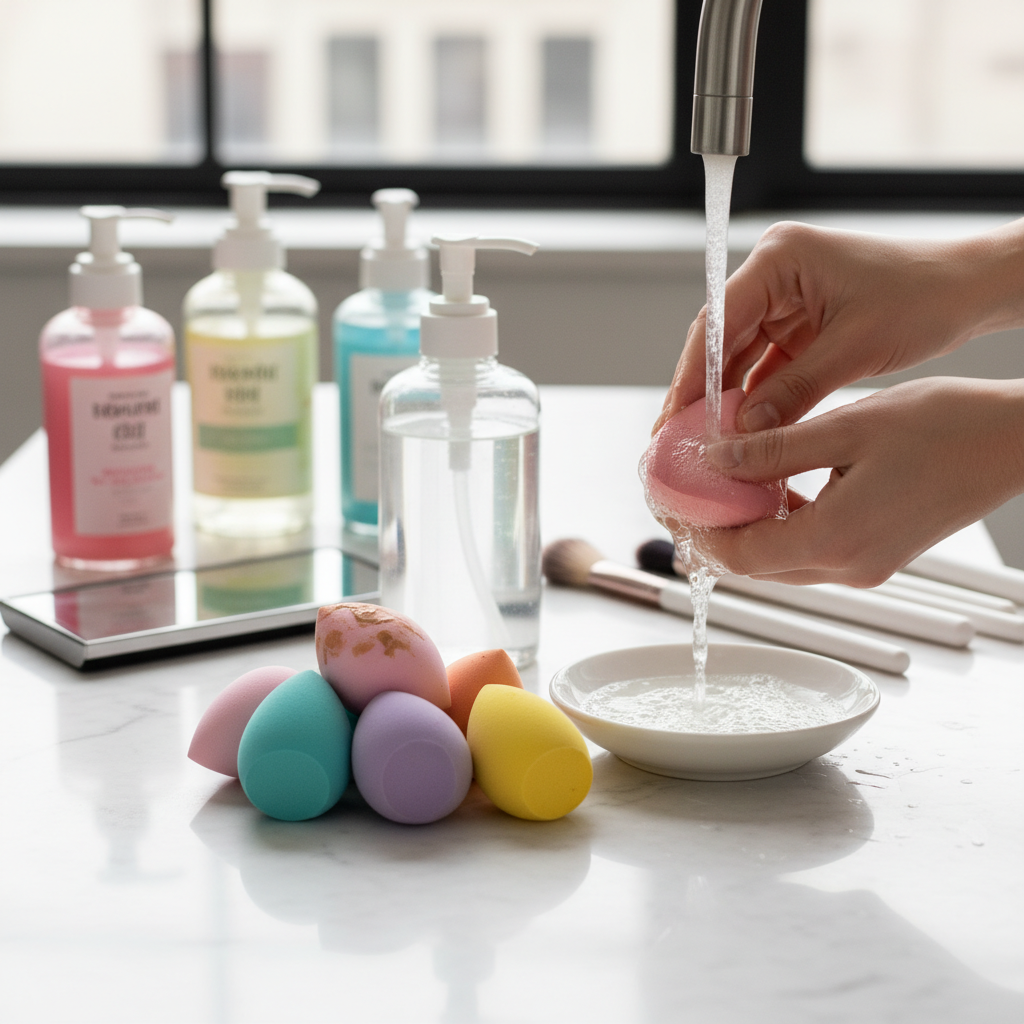
- Gentle Technique: Wet your sponge thoroughly under lukewarm running water. Apply a small amount of dish soap. Gently massage and squeeze the sponge, working the soap through the material. Avoid harsh scrubbing or twisting, as this can tear the sponge. You should see makeup and suds being released.
- Thorough Rinsing is Crucial: This cannot be overstressed. Continue to squeeze and rinse the sponge under running water until the water runs completely clear and no suds remain. Any lingering soap residue can lead to a sticky texture, affect makeup application, or potentially irritate your skin.
- Reshape and Air Dry Completely: After rinsing, gently squeeze out as much excess water as possible without wringing. You can roll it in a clean towel to absorb more moisture. Then, reshape the sponge and lay it flat on a clean, dry surface or in a mesh bag to air dry completely. Ensure good air circulation to prevent mold or mildew.
- Frequency Matters: Ideally, clean sponges used with liquid or cream makeup after every use. For powder products, cleaning 1-2 times a week is often sufficient. Regular cleaning prevents stubborn stains and bacterial growth.
- Tackling Stubborn Stains: For particularly resistant, oily stains, some users find success by adding a tiny drop of olive oil (or another gentle cleansing oil) along with the dish soap. The oil helps to break down the makeup’s oils, making it easier for the dish soap to lift them away. Another viral method involves briefly microwaving a wet, soapy sponge in a cup of water, but this should be done with extreme caution and for very short intervals to avoid damaging the sponge or creating a fire hazard.
“A clean makeup sponge isn’t just about flawless application; it’s a vital step in maintaining healthy skin. Neglecting to clean your tools is like applying makeup with a dirty brush – you’re undoing all the good work of your skincare.” – Dr. Emily R. Chen, Dermatologist and Skincare Expert
Conclusion
Finding the best dish soap for cleaning makeup sponges in 2026 doesn’t have to be a daunting task. While specialized cleansers offer a tailored solution, a carefully chosen and properly used dish soap can be an incredibly effective, accessible, and budget-friendly alternative. The key lies in prioritizing gentle formulas, especially those free from harsh dyes and strong artificial fragrances, and committing to thorough rinsing. Brands like Dawn, Seventh Generation, and Palmolive Pure + Clear offer excellent options, each with their own strengths.
Remember, a clean makeup sponge is not just about extending its lifespan; it’s fundamental to achieving a flawless makeup look and, more importantly, maintaining healthy skin. By integrating these tips and selecting the right dish soap, you’ll ensure your sponges are always ready to deliver that perfect blend. What’s your secret weapon for keeping your beauty sponges impeccably clean?
Câu Hỏi Thường Gặp
How often should I clean my makeup sponges if I use dish soap?
It’s highly recommended to clean makeup sponges, particularly those used with liquid or cream products, after every single use. This prevents the buildup of makeup, oils, and bacteria, which can lead to skin issues and degrade the sponge material over time. Regular cleaning with dish soap ensures your sponges remain hygienic and perform optimally.
Can I use any dish soap, or are some better than others for makeup sponges?
While many dish soaps can clean makeup sponges, some are indeed better than others. Opt for gentle, unscented, or lightly fragranced formulas without harsh dyes. Strong, heavily concentrated, or perfumed dish soaps can potentially dry out or damage the sponge material and leave irritating residues. Look for sensitive skin or plant-based varieties for the safest clean.
Will dish soap damage my expensive beauty blender or other makeup sponges?
Dish soap, especially harsh or undiluted formulas, can potentially degrade the delicate material of makeup sponges over time if not used carefully. The key is to use a small amount of a gentle dish soap, ensure thorough rinsing, and avoid aggressive scrubbing. Specialized cleansers are formulated to be extra gentle, but dish soap can be a safe alternative with proper technique.
What’s the best way to dry makeup sponges after washing with dish soap?
After washing and thoroughly rinsing your makeup sponge with dish soap, gently squeeze out as much excess water as possible. Then, roll it in a clean, dry towel to absorb more moisture. Finally, lay the sponge flat on a clean, well-ventilated surface or place it in a mesh bag to air dry completely. Avoid direct sunlight or heat, which can damage the material.
Is it okay to use scented dish soap on makeup sponges?
It is generally advisable to use unscented or very lightly scented dish soaps on makeup sponges. Heavily fragranced dish soaps can leave a strong odor that may transfer to your face, interfere with your makeup products, or even cause skin irritation for those with sensitivities. Prioritize “fragrance-free” or “pure and clear” formulas for best results.