Do you find yourself constantly wiping smudges off your eyeglasses, only to be left with frustrating streaks? Achieving perfectly clean, streak-free glasses can feel like a perpetual challenge. Everyday activities expose our eyewear to dust, oils, and fingerprints, making clear vision difficult. This comprehensive guide will equip you with the knowledge and techniques to effectively clean your glasses using a common household item – dish soap – ensuring a crystal-clear view every time. You’ll learn the right products to use, the steps to follow, and common mistakes to avoid for spotless results.
Understanding Dish Soap for Eyeglass Cleaning
When it comes to cleaning your precious eyewear, not all dish soap is created equal. The most crucial distinction lies in the presence of lotions or moisturizers. While these additives are beneficial for keeping your hands soft, they are the primary culprits behind stubborn streaks and hazy lenses when used on glasses. Therefore, selecting a lotion-free dish soap is paramount for achieving a streak-free finish.
Traditional liquid dish soaps, generally designed for manual dishwashing, often contain mild surfactants that are excellent at breaking down oils and grime without being overly abrasive. These cleaners can effectively lift away dirt and smudges from your lenses and frames. Avoid other forms like dishwashing gels, tablets, or powders, as their formulations are typically too concentrated or contain harsh chemicals unsuitable for delicate lens coatings.
Essential Ingredients to Know in Dish Soap for Glasses
Knowing which ingredients to look for and, more importantly, which to avoid, is key to preserving your eyewear. The primary active ingredients in effective dish soaps are surfactants (surface-active agents). These compounds reduce the surface tension of water, allowing it to spread more easily and helping to lift grease and dirt from surfaces. In mild, lotion-free dish soaps, these surfactants are usually gentle enough not to harm lens coatings.
However, certain ingredients commonly found in some cleaning products can be detrimental to your glasses:
- Lotions, Moisturizers, and Oils: These are the biggest offenders, leaving oily residues and streaks on your lenses. Always check the label for “lotion-free” or similar descriptions.
- Ammonia, Bleach, and Alcohol-based Cleaners: These harsh chemicals can strip away or damage specialized lens coatings, such as anti-reflective, anti-scratch, or UV protection layers. Alcohol, especially, is known to degrade certain plastics and coatings over time.
- Abrasives: Any cleaner with abrasive particles can scratch your lenses, even microscopic ones, leading to permanent damage and reduced clarity.
- Citrus-based Cleaners: While natural, some citrus components can be surprisingly aggressive towards lens coatings.
- Automatic Dishwasher Soap: Formulated for high-heat washing and strong degreasing, these are far too potent for eyeglasses.
Opt for simple, clear, and unperfumed dish soaps whenever possible to minimize the risk of adverse reactions with your lens materials and coatings.
Comparing Leading Dish Soap Brands for Eyeglasses
Many popular dish soap brands offer suitable “lotion-free” options that are safe and effective for cleaning glasses. The key is to verify the absence of added moisturizers. While specific brands may perform slightly differently, their core cleaning efficacy for eyeglasses is generally similar when lotion-free.
Some commonly recommended brands include:
- Palmolive: Known for its classic, effective cleaning power and widely available lotion-free versions.
- Joy: Another well-established brand that offers gentle, effective dish soaps suitable for delicate items.
- Ajax: A strong contender for grease-cutting, with many variants that are plain and lotion-free.
- Great Value (Walmart brand): Often a cost-effective option, their basic liquid dish soaps are typically lotion-free and perform admirably.
The effectiveness doesn’t necessarily correlate with price; often, the most basic and inexpensive formulations are the best choice for eyeglasses due to their simplicity.
Dish Soap Comparison Table for Eyeglass Cleaning
|
Our Picks for the Best Dishwashing liquid in 2026
As an Amazon Associate I earn from qualifying purchases.
|
||
| Num | Product | Action |
|---|---|---|
| 1 | Ajax Ultra Liquid Dish Soap Orange Scent, Triple Action, 90 fl oz Bottle |

|
| 2 | Ajax Ultra Liquid Dish Soap Orange Scent,Triple Action, Mess-Free, Easy-Flip Cap, 52 fl oz Bottle |
|
| 3 | Dawn Platinum Dish Soap, Fresh Rain Scent Liquid Dishwashing Detergent, Powerful Dawn Dish Soap for Tough Grease Removal, 13 oz |
|
| 4 | Cascade Complete Dishwasher Detergent Liquid Gel, Dish Detergent, Dishwasher Soap, Citrus, 75oz |
|
| 5 | Dawn Ultra Original Dish Soap Refill Jug, Large Size Original Blue Liquid Dishwashing Detergent, Powerful Dawn Dish Soap for Grease, 51.5 oz |
|
| 6 | Dawn Dishwashing Liquid, Original Scent, 38 fl oz |
|
| 7 | Palmolive Ultra Dishwashing Liquid Dish Soap, Pure + Clear Fragrance Free - 32.5 Fluid Ounce (Packaging may vary) |
|
| 8 | Dawn Platinum EZ-Squeeze Dish Soap, Dishwashing Liquid, Fresh Rain, 2x18oz Bundle |
|
| 9 | Dawn Ultra Original Dish Soap Refill Jug Large Size Original Blue Liquid Dishwashing Detergent, Powerful Dawn Dish Soap for Grease, 51.5oz (Pack of 2) |
|
| 10 | Dawn EZ-Squeeze Ultra Dish Soap, Dishwashing Liquid, Original, Dish Soap Refill, 22 fl oz |
|
| Brand | Key Benefit for Glasses | Considerations | Suitability |
|---|---|---|---|
| Palmolive | Effective grease cutting, widely available, many lotion-free options | Ensure “lotion-free” is explicitly stated | Excellent |
| Joy | Gentle cleaning action, good for delicate surfaces | May have scented versions; opt for unscented if possible | Excellent |
| Ajax | Strong degreasing, good for stubborn oils | Check for strong fragrances, ensure “lotion-free” | Very Good |
| Great Value | Budget-friendly, basic formulation often lotion-free | Quality can vary slightly by batch or store | Very Good |
Your Guide to Selecting Dish Soap for Eyeglasses
Choosing the right dish soap for your glasses doesn’t have to be complicated, but a few key factors will ensure you make the best selection for both your eyewear and your peace of mind.
Firstly, cleaning effectiveness is paramount. You need a dish soap that can break down oils and lift dirt without requiring harsh scrubbing. Secondly, safety is non-negotiable; it must not damage your lenses or their coatings. Always prioritize “lotion-free” and avoid any harsh chemicals. Price and scent are secondary but still relevant. Inexpensive, basic dish soaps often perform just as well, if not better, than their fancier counterparts when it comes to cleaning glasses. Strong scents can be irritating to some individuals, so consider unscented options.
For individuals with sensitive skin, selecting an unscented, hypoallergenic, and “lotion-free” dish soap is advisable, as this minimizes contact with potential irritants during the cleaning process. While the primary concern is the glasses, user comfort is also important. Always remember that your eyeglasses are an investment in your vision, so treating them with care, starting with the right cleaning agent, is essential.
Tips for Effective Dish Soap Usage and Streak-Free Cleaning
Achieving truly streak-free glasses requires more than just the right soap; it demands a precise technique and the right tools. Follow these steps for a perfect shine:
- Wash Your Hands Thoroughly: Before touching your glasses, wash your hands with soap and water to remove any oils, dirt, or lotions that could transfer to your lenses.
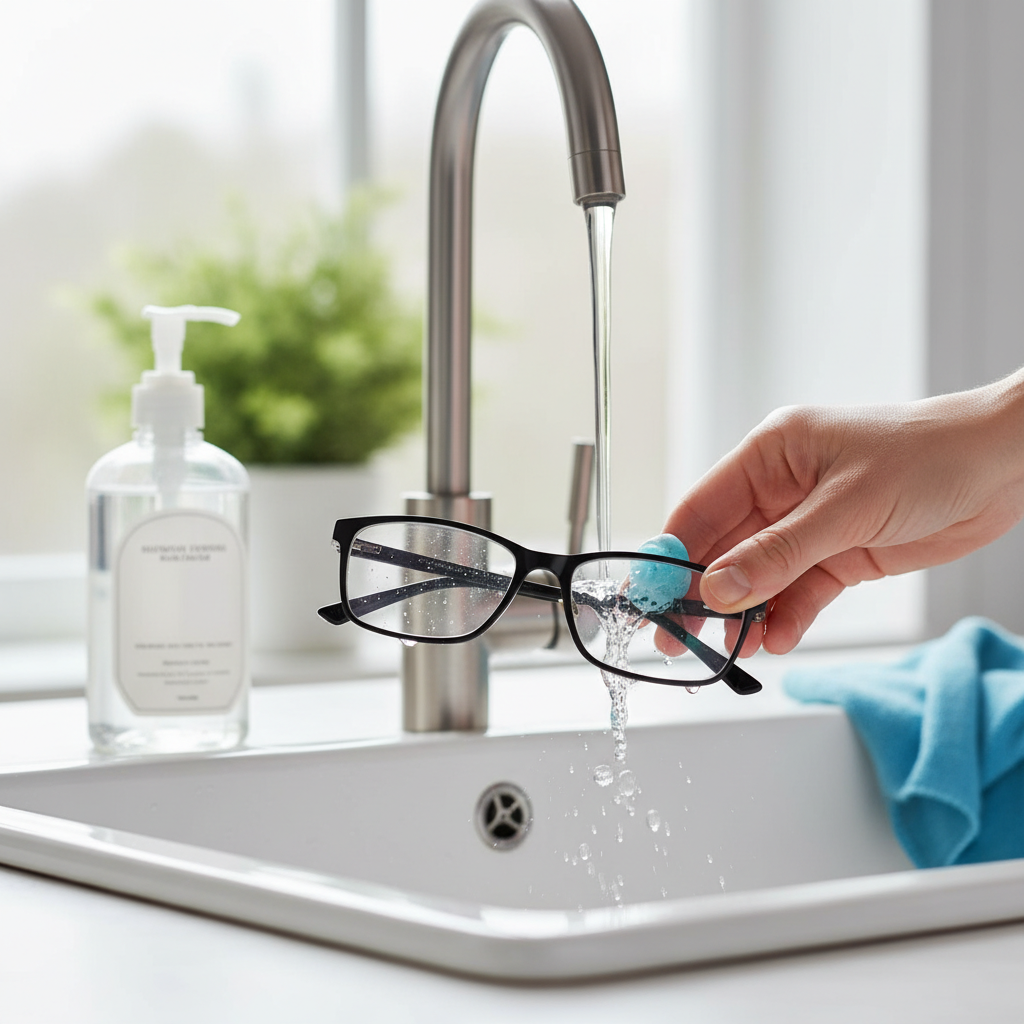
- Rinse Glasses Under Lukewarm Water: Hold your glasses under a gentle stream of lukewarm tap water. This helps to rinse away loose dust and debris without scratching the lenses. Avoid hot water, which can damage lens coatings or warp plastic frames.
- Apply a Small Drop of Lotion-Free Dish Soap: Place a tiny drop (about the size of a pinhead) of lotion-free dish soap onto each lens. A little goes a long way!
- Gently Rub Lenses and Frame: Using your clean fingertips, gently rub the dish soap over both sides of the lenses. Don’t forget to clean the nose pads, hinges, and earpieces, as these areas can accumulate oil and grime. Rubbing gently ensures the soap breaks down dirt without scratching.
- Rinse Thoroughly: Rinse your glasses again under a gentle stream of lukewarm water. Be meticulous, ensuring all traces of dish soap are completely washed away. Any residual soap will lead to streaks.
- Shake Off Excess Water: Gently shake your glasses to remove as much water as possible.
- Dry with a Clean Microfiber Cloth: This is a critical step for streak-free results. Use a clean, soft, lint-free microfiber cloth to gently dry your lenses and frame. Avoid paper towels, tissues, shirt corners, or other fabrics, as their rough fibers can scratch lens coatings or leave lint.
“Your choice of drying cloth is just as important as your cleaning solution. A dirty or abrasive cloth will undo all your careful work, leaving scratches and smudges.”
Pro-Tips for Maintaining Clarity:
- Clean Your Microfiber Cloth Regularly: A dirty microfiber cloth will only redistribute dirt and oils. Wash it frequently with a mild detergent (avoiding fabric softener, which can leave residue) and air dry.
- Daily Cleaning Habit: Make cleaning your glasses a daily ritual to prevent excessive build-up of dirt and oils.
- Store Properly: When not wearing your glasses, store them in a clean, hard-shell case to protect them from dust and accidental damage.
- Stubborn Smudges: For particularly greasy smudges, repeat the soap and water process once more.
Conclusion
Cleaning your glasses effectively with dish soap is a simple yet often misunderstood process. By choosing a mild, lotion-free dish soap and following a careful, step-by-step method, you can consistently achieve a sparkling, streak-free shine. Remember, gentle care, the right products, and a clean microfiber cloth are your best allies in maintaining clear vision and extending the life of your eyewear. Don’t let smudged lenses obscure your view any longer. What’s your go-to method for keeping your glasses impeccably clean?
Frequently Asked Questions
Can dish soap damage the coatings on my glasses?
No, a mild, lotion-free dish soap should not damage the coatings on your glasses when used correctly with lukewarm water and a soft microfiber cloth. The key is to avoid harsh chemicals, alcohol, and soaps with added moisturizers, which can strip or degrade protective layers like anti-reflective or anti-scratch coatings.
Why are my glasses still streaky after cleaning with dish soap?
Streaks often occur due to residual soap, using a dish soap with lotions or moisturizers, or drying with an unsuitable or dirty cloth. Ensure you rinse thoroughly, use only lotion-free soap, and always dry with a clean, dedicated microfiber cloth to absorb all moisture without leaving residue.
What kind of cloth should I use to dry my glasses?
The best choice for drying your glasses is a clean, soft, lint-free microfiber cloth. These cloths are specifically designed to trap tiny particles and moisture without scratching delicate lens surfaces. Avoid paper towels, tissues, or clothing, as their fibers can be abrasive and cause micro-scratches.
How often should I clean my glasses with dish soap?
For optimal clarity and hygiene, it’s recommended to clean your glasses daily. A quick wash with dish soap and water can remove accumulated oils, dust, and fingerprints, ensuring your vision remains unobstructed and your glasses stay in excellent condition.
Can I use hot water to clean my glasses?
No, it’s best to use lukewarm water when cleaning your glasses. Hot water can potentially damage certain lens coatings, warp plastic frames, or even affect the integrity of the lens material over time. Lukewarm water is gentle yet effective enough to loosen dirt and allow the dish soap to work its magic.