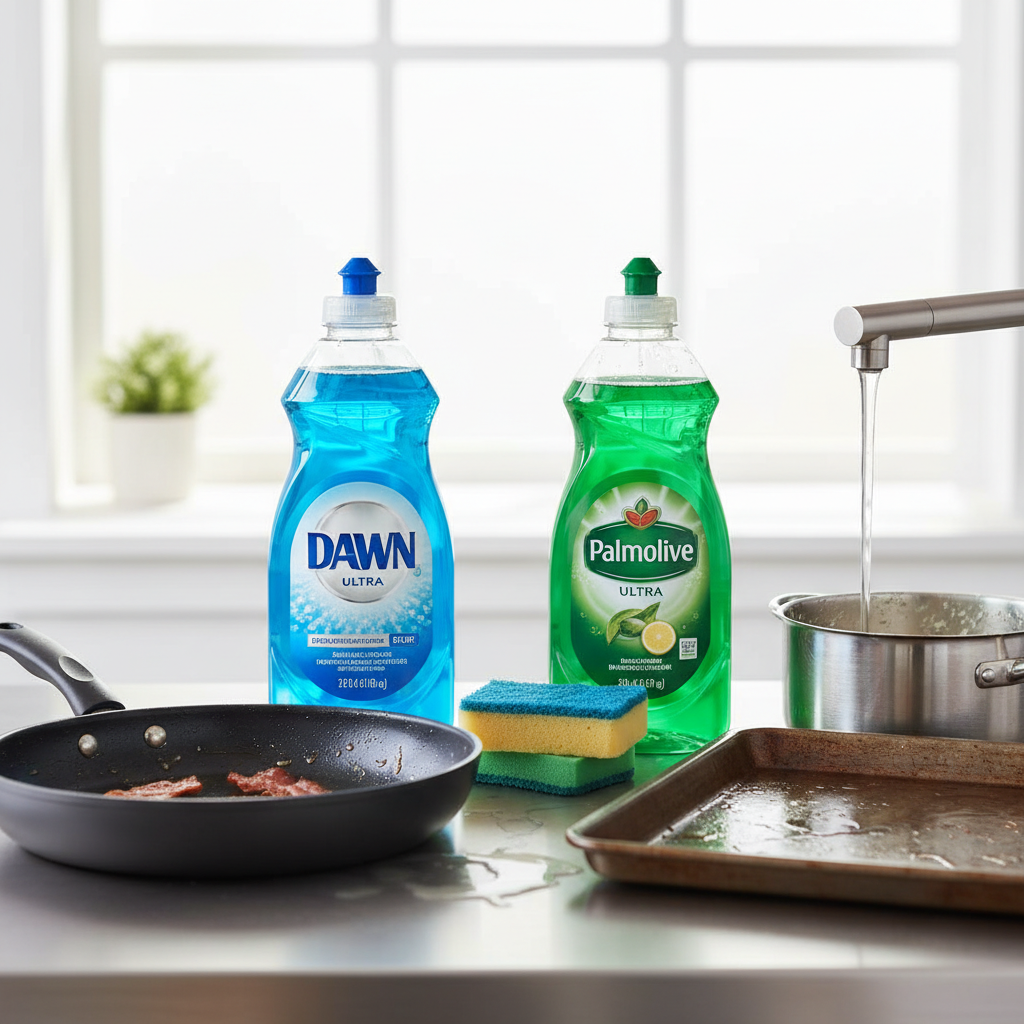
Stepping into the kitchen, the sight of a sink full of greasy pots and pans can be daunting. You reach for your trusted dishwashing liquid, but have you ever wondered if you’re using the best tool for the job? For decades, Dawn and Palmolive have been household staples, each promising to cut through grease and leave your dishes sparkling clean. Yet, these two titans of the dishwashing world offer distinct benefits and drawbacks that can significantly impact your cleaning routine, your hands, and even the environment. Understanding their differences is key to choosing the dishwashing liquid that perfectly aligns with your needs and values.
Unpacking the Different Types of Dishwashing Liquids
When it comes to tackling kitchen messes, not all dishwashing liquids are created equal. The market offers a variety of formulations, each with unique characteristics. While Dawn and Palmolive are predominantly known for their traditional liquid soaps, it’s helpful to understand the broader landscape.
- Liquid Dish Soap: This is the most common type, perfect for handwashing dishes. Its versatility allows for direct application to sponges or diluting in a basin of water. Both Dawn and Palmolive fall into this category, offering a balance of cleaning power and user-friendliness.
- Dishwashing Gels: Often thicker than standard liquids, gels can provide a concentrated cleaning experience, sometimes adhering better to tough spots before scrubbing.
- Foaming Dish Soap: These come with a pump that dispenses a pre-foamed solution, which can be convenient for quick clean-ups and often gentle on hands due to less direct contact with concentrated soap.
- Dishwasher Pods/Tablets: Designed exclusively for automatic dishwashers, these offer pre-measured convenience with powerful detergents, often including rinse aids and other additives. Our focus today, however, remains firmly on handwashing liquids.
Each type serves a specific purpose, but for daily handwashing, liquid dish soap remains the champion, providing the flexibility and efficacy most households demand.
Essential Ingredients in Your Dishwashing Liquid
Behind every powerful grease-cutting action or gentle lather are carefully selected chemical compounds. Understanding these ingredients can help you make an informed choice, especially concerning effectiveness and safety.
The primary workhorses in any dishwashing liquid are surfactants (surface-active agents). These molecules reduce the surface tension of water, allowing it to mix with oils and grease, lift food particles, and rinse away easily. Common surfactants include Sodium Lauryl Sulfate (SLS) and Sodium Laureth Sulfate (SLES), which are responsible for generating rich suds and powerful cleaning action.
Beyond surfactants, dish soaps often contain:
- Foaming Agents: To create the satisfying lather we associate with cleanliness.
- Viscosity Adjusters: To give the liquid its desired thickness.
- pH Adjusters: To balance the formula for stability and skin compatibility.
- Preservatives: Like Methylisothiazolinone (MIT) or Benzisothiazolinone (BIT), which prevent microbial growth and extend shelf life.
- Fragrances and Colorants: For sensory appeal, though these are often areas of concern for sensitive individuals.
However, not all ingredients are beneficial. Certain chemicals are best avoided due to potential health or environmental impacts:
- Phosphates: Historically used to soften water and boost cleaning, phosphates can contribute to water pollution and algal blooms, severely impacting aquatic ecosystems. Many brands, including Dawn and Palmolive, have removed them.
- Parabens: These are preservatives that have raised concerns about potential endocrine disruption, though their presence in dish soaps is less common now.
- Triclosan: An antibacterial agent, Triclosan has been linked to antibiotic resistance and environmental harm. It has been banned from certain products by regulatory bodies.
- 1,4-Dioxane: A potential contaminant that can be present as a byproduct of the manufacturing process of some surfactants. It’s considered a groundwater contaminant and a concern for human health.
- Methylisothiazolinone (MIT): While effective as a preservative, MIT has been flagged for its potential to cause skin irritation and allergies, and it also poses high acute aquatic toxicity.
Choosing a dishwashing liquid free from these problematic ingredients can offer peace of mind for your family and the planet.
Dawn vs. Palmolive: A Head-to-Head Comparison
The debate between Dawn and Palmolive is a classic for a reason: both are formidable contenders in the fight against dirty dishes. Let’s delve into what sets them apart.
Grease-Cutting Power and Cleaning Performance
|
Our Picks for the Best Dishwashing liquid in 2026
As an Amazon Associate I earn from qualifying purchases.
|
||
| Num | Product | Action |
|---|---|---|
| 1 | Dawn Platinum EZ-Squeeze Dish Soap, Dishwashing Liquid, Fresh Rain, 2x18oz Bundle |

|
| 2 | Dawn Ultra Original Dish Soap Refill Jug, Large Size Original Blue Liquid Dishwashing Detergent, Powerful Dawn Dish Soap for Grease, 51.5 oz |
|
| 3 | Ajax Ultra Liquid Dish Soap Orange Scent,Triple Action, Mess-Free, Easy-Flip Cap, 52 fl oz Bottle |
|
| 4 | Cascade Complete Dishwasher Detergent Liquid Gel, Dish Detergent, Dishwasher Soap, Citrus, 75oz |
|
| 5 | Palmolive Ultra Dishwashing Liquid Dish Soap, Pure + Clear Fragrance Free - 32.5 Fluid Ounce (Packaging may vary) |
|
| 6 | Dawn Platinum Dish Soap, Fresh Rain Scent Liquid Dishwashing Detergent, Powerful Dawn Dish Soap for Tough Grease Removal, 13 oz |
|
| 7 | Dawn Ultra Original Dish Soap Refill Jug Large Size Original Blue Liquid Dishwashing Detergent, Powerful Dawn Dish Soap for Grease, 51.5oz (Pack of 2) |
|
| 8 | Dawn EZ-Squeeze Ultra Dish Soap, Dishwashing Liquid, Original, Dish Soap Refill, 22 fl oz |
|
| 9 | Ajax Ultra Liquid Dish Soap Orange Scent, Triple Action, 90 fl oz Bottle |
|
| 10 | Dawn Dishwashing Liquid, Original Scent, 38 fl oz |
|
Dawn is widely celebrated for its unparalleled ability to cut through tough grease and baked-on food. Its highly concentrated formula, often thicker than many competitors, means a little goes a long way. If you’re routinely battling heavily soiled pots, pans, and casserole dishes, Dawn’s potent degreasing agents are designed to penetrate and lift residue with minimal scrubbing. It’s often the go-to choice for intense kitchen messes and even for cleaning wildlife affected by oil spills, a testament to its powerful yet gentle action.
Palmolive, while still an effective grease fighter, is often perceived as having a more balanced cleaning performance. It handles sticky residue and everyday food grime admirably, making it suitable for frequent, gentle cleaning. For exceptionally tough or baked-on challenges, Palmolive might require a bit more soaking time or scrubbing effort compared to Dawn. However, it still ensures dishes are residue-free and clean.
Gentleness on Hands
For many, the feel of dish soap on their hands is a critical factor.
Palmolive has historically positioned itself as a brand that prioritizes skin care. Its formulas often incorporate soothing and hypoallergenic components, making it a preferred choice for individuals with sensitive or easily dried skin. Users frequently report that Palmolive leaves their hands feeling softer and less irritated after prolonged dishwashing.
Dawn is also formulated to be gentle on hands despite its powerful cleaning agents. However, some individuals with highly sensitive skin might find Dawn’s stronger degreasing action to be slightly more drying over time. Varieties like Dawn Platinum are specifically designed to be tough on grease but still protect hands.
Environmental Considerations
The environmental impact of household products is an increasingly important concern. Both brands have made strides in sustainability, but with differing emphases.
Palmolive puts a stronger emphasis on biodegradability across its product lines, using plant-based cleansers to minimize environmental harm. They also incorporate recycled materials in their packaging and support sustainable palm oil sourcing.
Dawn focuses on phosphate-free formulations to reduce water pollution and also uses recycled plastic in some of its packaging. Its iconic role in wildlife rescue efforts, particularly for oiled animals, highlights its commitment to environmental causes. However, when evaluated by independent organizations like the Environmental Working Group (EWG), both brands receive lower ratings (Dawn typically C or D, Palmolive D or F) due to the presence of certain ingredients or manufacturing byproducts that raise environmental or health concerns, such as methylisothiazolinone in Dawn and a broader range of chemicals in Palmolive.
Scent Profiles
The aroma of your dish soap can significantly enhance or detract from the washing experience.
Dawn generally offers a wider array of more pleasant and often more sophisticated scents, ranging from refreshing citrus to calming lavender. These scents tend to be well-received by consumers.
Palmolive often features more traditional or classic scents. While many appreciate these familiar aromas, some find the original Palmolive formula to have a more noticeable chemical odor compared to Dawn’s diverse fragrance options.
Concentration and Value
Price and perceived value are always key considerations.
Dawn products often come with a slightly higher price tag than Palmolive. However, given Dawn’s more concentrated formula, users often find they need to use less product per wash, potentially making it more cost-effective in the long run. Its superior cleaning power can also save time and effort.
Palmolive is typically more competitively priced, offering a budget-friendly option for effective daily cleaning. For those who prioritize a lower upfront cost and don’t routinely tackle extreme grease, Palmolive offers excellent value.
Comparing Leading Dishwashing Liquid Brands
| Brand | Advantages | Disadvantages | Estimated Price Comparison |
|---|---|---|---|
| Dawn | – Exceptional grease-cutting power, ideal for tough stains. | – Can be slightly more expensive. | Higher |
| – Highly concentrated formula, less product needed. | – Some variants may be slightly more drying for very sensitive skin. | ||
| – Wide range of pleasant scents. | – EWG ratings indicate some ingredient concerns (e.g., methylisothiazolinone, 1,4-dioxane). | ||
| – Strong reputation for wildlife rescue. | |||
| Palmolive | – Gentle on hands, often suitable for sensitive skin. | – May require more effort or soaking for very tough grease/baked-on food. | Lower |
| – Strong emphasis on biodegradable ingredients and recycled packaging. | – Original formula can have a stronger chemical scent. | ||
| – Competitively priced. | – EWG ratings indicate greater ingredient concerns than Dawn in some products. | ||
| – Free from parabens and phosphates. |
“The true measure of a dishwashing liquid isn’t just how well it cleans, but how it aligns with your everyday needs and your broader values for health and environment.”
How to Choose the Best Dishwashing Liquid for Your Home
Choosing the perfect dishwashing liquid involves weighing several factors, as there’s no single “best” option for everyone. Consider these aspects to make the right choice:
- Cleaning Effectiveness: How often do you deal with heavy grease, baked-on food, or tough stains? If intense cleaning is a frequent requirement, a highly concentrated, powerful formula might be your priority.
- Skin Sensitivity: Do you or anyone in your household have sensitive skin that reacts to harsh chemicals? Opt for formulas marketed as gentle, hypoallergenic, or designed for sensitive hands.
- Environmental Impact: Are biodegradable ingredients, phosphate-free formulas, and sustainable packaging important to you? Research brands’ environmental commitments and independent ratings.
- Scent Preference: Do you prefer strong, fresh scents, subtle aromas, or fragrance-free options? A pleasant scent can make dishwashing more enjoyable.
- Cost and Value: Consider your budget, but also factor in concentration. A more expensive, concentrated liquid might last longer, offering better long-term value.
- Brand Reputation: While personal experience is key, brand reputation and independent reviews can offer insights into product performance and reliability.
Ultimately, the best dishwashing liquid is one that effectively tackles your kitchen messes without compromising your comfort or values.
Smart Tips for Effective Dishwashing
Even the best dishwashing liquid needs a little help to perform at its peak. Integrate these tips into your routine for sparkling clean dishes and efficient use of your product:
- Scrape First: Before washing, scrape off as much food residue as possible from plates and pans. This prevents clogging drains and reduces the amount of soap and water needed.
- Hot Water is Your Friend: Hot water helps activate the dish soap, allowing it to emulsify grease more effectively and kill bacteria.
- Soak Smart: For stubborn, baked-on food, a short soak (15-30 minutes) in hot, soapy water can work wonders. This loosens debris, making scrubbing much easier.
- Don’t Overuse Soap: More suds don’t always mean cleaner dishes. Use just enough dishwashing liquid to create a good lather. Excess soap can lead to residue on dishes and requires more rinsing. A concentrated formula like Dawn often requires less per wash.
- Tackle Tough Stains: For dried-on grime, apply a small amount of concentrated dish soap directly to the spot, let it sit for a few minutes, then scrub vigorously. For burnt food, fill the pan with water, add a few drops of soap, and gently simmer for 10-15 minutes to loosen the residue.
- Eliminate Odors: Dishwashing liquid is excellent for removing food odors. For strong smells like garlic or fish, wash dishes thoroughly with warm, soapy water. For lingering odors in sponges or drains, a mix of dish soap and baking soda can be very effective.
- Rinse Thoroughly: Ensure all soap residue is rinsed away to prevent streaks and dullness, leaving your dishes truly clean and ready for their next use.
Conclusion
The battle between Dawn and Palmolive is a nuanced one, with each dishwashing liquid offering distinct advantages. Dawn stands out as the ultimate grease fighter, ideal for the toughest kitchen challenges, with a concentrated formula that delivers potent cleaning power and a diverse range of pleasant scents. Palmolive shines with its gentler approach, prioritizing skin sensitivity and a stronger commitment to biodegradable ingredients and eco-friendly packaging, all at a competitive price point.
Your choice ultimately depends on your specific needs: are you battling daily grease wars, prioritizing skin comfort, or leaning towards a greener clean? Both brands offer reliable solutions, but by understanding their core strengths, you can confidently select the dishwashing liquid that best serves your home. So, which grease fighter will you welcome into your kitchen?
Frequently Asked Questions
Which dishwashing liquid is best for very greasy pots and pans?
For very greasy pots and pans, Dawn is generally considered superior due to its highly concentrated formula and potent degreasing agents, which quickly cut through tough grease and baked-on food, requiring less scrubbing effort.
Is Palmolive better for sensitive hands?
Yes, Palmolive often features formulas designed to be gentler on hands, incorporating soothing and hypoallergenic components. Many users with sensitive skin find Palmolive less drying and irritating than other brands.
Are Dawn and Palmolive dish soaps environmentally friendly?
Both brands have made efforts towards sustainability, with Palmolive emphasizing biodegradable ingredients and recycled packaging, and Dawn focusing on phosphate-free formulas and wildlife rescue. However, independent ratings from organizations like the EWG suggest that both still have areas for improvement regarding their overall environmental and health impact.
Why is Dawn dish soap often used for cleaning animals in oil spills?
Dawn dish soap’s powerful yet gentle grease-cutting ability makes it effective at breaking down crude oil on animal fur and feathers without causing further irritation or harm, which is crucial for wildlife rescue efforts.
What ingredients should I avoid in dishwashing liquid?
It’s advisable to avoid dishwashing liquids containing phosphates, parabens, triclosan, and high levels of 1,4-dioxane or methylisothiazolinone, as these can have potential negative impacts on human health or the environment.